
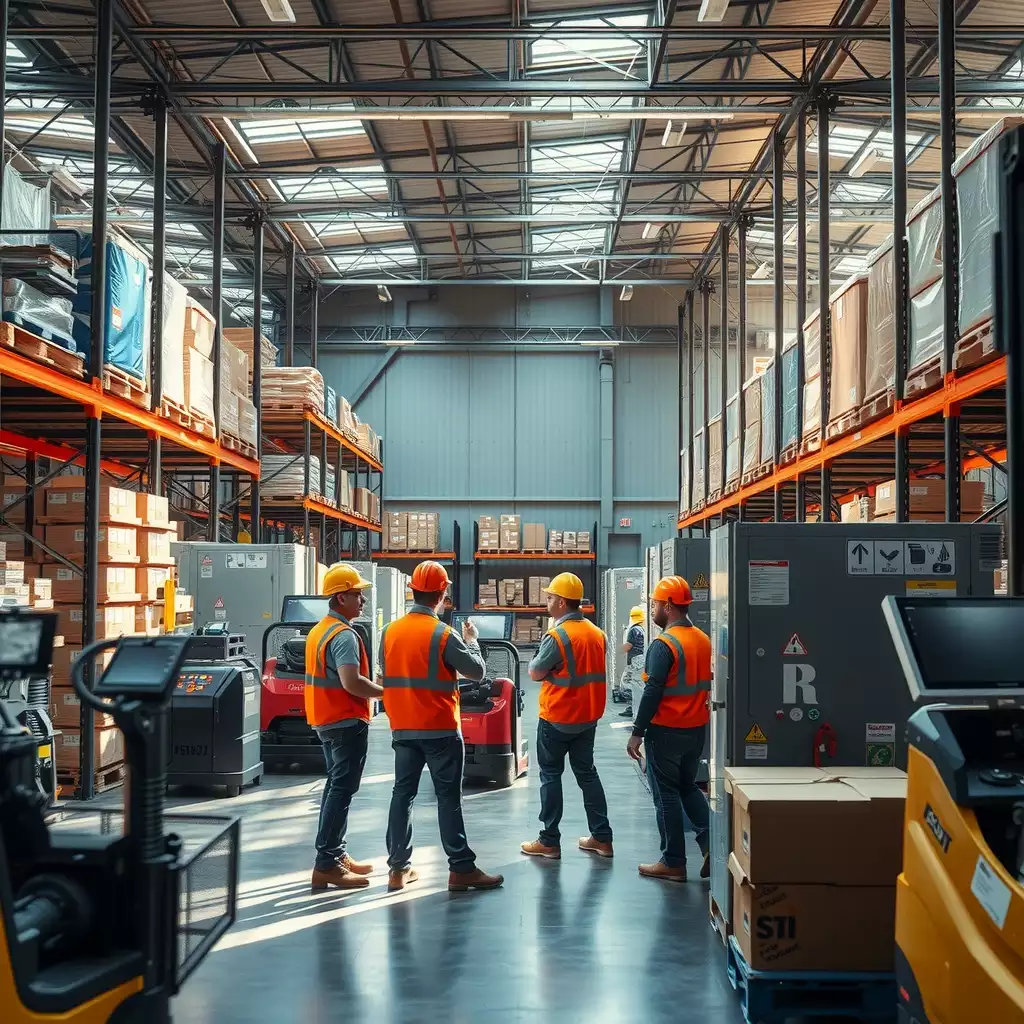
Use Cross Trained Crews in West Virginia Warehouses

Key Takeaways
- Cross-trained teams transform warehouse operations by boosting flexibility and allowing quick adjustments to changing demands, enabling task switching.
- Cross-training strategies save money by reducing the need for specialized hires and cutting overtime costs during busy periods.
- A focus on continuous learning through training programs lifts employee morale, keeps them engaged, and encourages teamwork, improving logistics efficiency.
Understanding the Advantages of Cross-trained Teams
Cross-trained teams in warehouse operations boost efficiency and flexibility. When workers learn multiple roles, they become essential during busy times or unexpected absences. This adaptability ensures smooth task transitions and better resource utilization, enabling staff reassignment without workflow disruptions. Cross-trained employees can step into different positions, creating an agile environment that addresses challenges directly and helps the warehouse achieve optimal performance.
Adopting a cross-training strategy also increases productivity. Workers who understand various aspects of operations contribute more effectively because they have a thorough view of processes within the warehouse. This shared knowledge speeds up problem-solving and reduces delays during role changes or bottlenecks. Companies often see significant output increases, allowing them to meet demands while keeping employees engaged through varied responsibilities, building a strong workforce ready for any challenge.
Adapting to Changing Demands with Ease
Being able to quickly respond to changes in demand is essential for peak season warehouse operations. Cross-training employees provides them with a range of skills, enabling them to take on different tasks as needed. When unexpected surges occur or staff members are unavailable, these adaptable workers can step in without missing a beat. This flexibility reduces disruptions and boosts team confidence.
In West Virginia logistics, cross-trained staff strengthen operations. Workers who understand multiple roles foster teamwork across departments and improve communication. As they handle various responsibilities, they gain insights into workflows that lead to quicker decision-making and fewer mistakes during busy periods.
Implementing effective cross-training strategies is cost-effective. By relying less on specialized hires and reducing overtime during peak times, companies can manage resources better while delivering high-quality service. Investing in structured training programs develops employees and lowers labor costs over time, an important factor for businesses aiming for sustainability amid changing market demands.
Creating a learning-focused environment inspires innovation as employees become proactive problem solvers instead of merely completing assigned tasks. Regular performance evaluations after cross-training enhance skills and foster accountability among team members eager to contribute positively toward shared goals, ultimately fortifying your organization against future uncertainties.
The Pros & Cons of Cross-Training Warehouse Crews
Pros
-
Cross-trained employees bring more flexibility, making it easier to cover roles when someone is absent.
-
Workers boost productivity because they know how to perform multiple tasks and work together better.
-
Companies save money by needing less specialized training and cutting down on overtime costs.
-
Employees feel happier as they get the chance to learn new skills, which helps keep them around longer.
-
Safety improves since cross-trained staff can spot hazards in different areas of the operation.
Cons
-
Employees might initially resist because they worry about heavier workloads or losing their jobs.
-
It can be tough to find the right balance between training time and day-to-day work demands.
-
Keeping quality standards high is a challenge when employees juggle multiple roles without proper guidance.
-
If we don’t clearly define roles and responsibilities after training, confusion may arise.
-
Ongoing support from management is crucial for making cross-training programs successful.
How Cross-training Enhances Operational Output
Cross-training in warehouses boosts productivity by creating a flexible workforce ready to handle various challenges. When employees learn skills for different roles, they gain knowledge that helps everyone work together better and transition between tasks smoothly. This shared understanding allows team members to quickly address problems, leading to faster solutions and less downtime.
The increase in productivity is evident when cross-trained teams are utilized effectively; workers can step into key positions without needing long handovers or detailed instructions. As they experience different parts of operations, their ability to spot inefficiencies grows, resulting in ideas that improve performance. Companies often surpass previous goals while boosting employee morale through more engaging job experiences.
The ability to adjust quickly is essential in a market where demand can change unexpectedly. With staff trained in multiple functions, organizations can respond rapidly to sudden order spikes or unexpected staff shortages, all while maintaining high-quality service that customers expect from reliable partners.
Creating this flexible labor model encourages collaboration among employees. Workers become more aware of their responsibilities and how their roles contribute to the team’s success, a crucial mindset for thriving in today’s fast-paced logistics world. The teamwork built within cross-trained groups leads to smoother workflows and greater accuracy across operations.
Cost savings follow as businesses take advantage of multi-skilled workers available when needed, reducing dependence on temporary hires or excessive overtime during busy periods. Investing in thorough training programs designed for your workforce ensures sustainable growth potential amid changing economic conditions.
Saving on Labor Costs Through Training
Introducing cross-training programs in your warehouse can significantly reduce labor costs. Training employees to take on multiple roles decreases reliance on specialized hires and minimizes overtime during busy periods. This flexibility helps manage unexpected staffing shortages or demand changes without needing temporary workers, keeping expenses down.
A solid training program fosters a workplace where employees feel valued and engaged. As they learn new skills, they take pride in their work and contribute to the team’s success. This boosts job satisfaction and lowers turnover rates. Over time, you’ll save money on hiring due to better employee retention and reduced need for outside recruits. Investing in cross-training not only leads to savings but also builds a strong workforce ready for future challenges in logistics.
Maximizing Efficiency with Versatile Workforce
| Aspect | Description | Benefits | Challenges |
|---|---|---|---|
| Increased Flexibility | Cross-trained employees can perform multiple roles. | Better allocation of resources, seamless workflow. | Initial resistance from employees. |
| Enhanced Productivity | Broader understanding of operations leads to improved collaboration and faster problem-solving. | Up to 20% increase in productivity. | Maintaining quality standards. |
| Cost Savings | Reduces need for specialized training and minimizes overtime costs. | Average reduction of 15% in labor costs over time. | Resource allocation for training without disruption. |
| Employee Satisfaction | Enhances job satisfaction by valuing employee development. | 25% lower turnover rates in organizations prioritizing development. | Communication about benefits needed. |
| Improved Safety | Familiarity with multiple tasks helps identify safety hazards. | Safer work environment overall. | Ongoing monitoring required for quality control. |
| Assessment of Skills Needs | Conducting a skills gap analysis to tailor training programs effectively. | Targeted training based on operational demands. | Time-consuming process that may disrupt operations. |
| Structured Training Programs | Developing comprehensive training modules for essential skills. | Facilitates knowledge transfer and mentorship. | Need for experienced staff as trainers. |
| On-the-Job Training (OJT) | Learning by doing under supervision for practical experience. | Retains information better than traditional methods. | Requires careful scheduling to avoid disruptions. |
| Regular Evaluation and Feedback | Establishing metrics for continuous improvement of training initiatives. | Refines training methods based on participant feedback. | Potential resistance to feedback processes. |
| Creating a Culture of Learning | Encouraging continuous learning and recognizing skill acquisition. | Promotes engagement and motivation among employees. | Requires ongoing commitment from management. |
| Case Studies | Examples from Amazon and Walmart showing successful cross-training implementations. | Demonstrated operational efficiency and accuracy gains. | Specific challenges may vary by organization. |
Building a Committed Workforce Through Development
A dedicated workforce thrives on continuous growth and development opportunities. When employees learn new skills through cross-training, they enhance their abilities and strengthen team spirit. This commitment fosters a sense of ownership in their roles, increasing engagement with the organization.
Investing in employee development through customized training programs creates an environment where individuals feel empowered. As team members gain diverse skills, they build stronger connections with colleagues from other departments, leading to better communication that supports collaboration during projects. This teamwork enhances problem-solving and sparks innovation across your warehouse.
Organizations that prioritize ongoing learning tend to have lower turnover rates because employees value support for personal growth. Implementing regular feedback alongside these programs recognizes achievements, fosters loyalty, and reinforces a culture focused on professional advancement, key elements for encouraging long-term dedication from staff.
Creating clear paths for career progression within your logistics operation boosts commitment by motivating employees toward higher performance levels. Offering mentorship opportunities allows experienced professionals to guide newer peers through hands-on training, enriching knowledge sharing and building confidence, a crucial aspect when striving for excellence amidst changing market demands.
Developing a committed workforce through thorough strategies sets warehouses apart in West Virginia’s dynamic logistics scene; adaptability becomes second nature as teams come together ready to face challenges, contributing positively to local economies and driving sustainable growth.
Enhancing Workplace Safety with Trained Crews
Cross-trained crews improve safety in warehouses. When employees learn different tasks, they better spot potential hazards across various areas. This awareness helps everyone follow safety protocols because workers understand how their actions affect others beyond their specific roles. Training staff on safety measures builds a culture of vigilance; team members look out for each other and work together to maintain a safe environment.
Structured cross-training programs lead to faster responses during emergencies. Employees who know multiple roles can quickly step in when urgent situations arise, minimizing disruption and ensuring swift resolutions that protect safety standards. Regular evaluations and feedback help identify gaps in understanding or compliance while encouraging accountability. Promoting this adaptability keeps your workforce safe and strengthens an organizational culture built around shared responsibility for health and safety outcomes.
Exploring Myths of Cross-Trained Warehouse Crews
-
Some people think cross-trained warehouse teams create confusion and slow things down, but studies show these groups boost productivity by helping workers adjust quickly to new tasks and demands.
-
Many believe cross-training takes a lot of time and money, but most warehouses find the upfront investment pays off with greater flexibility and less downtime during busy seasons.
-
It's common to think employees who are cross-trained lack specific skills, but these workers gain a wider range of abilities that allow them to handle various challenges effectively, making them valuable team members.
-
There's an idea that cross-training makes employees unhappy at work, but research shows many feel more engaged and satisfied when they learn new skills and take on different roles.
-
People often think only big warehouses benefit from cross-training, but even small operations in West Virginia see major benefits like better teamwork and improved problem-solving with cross-trained crews.
Strategies for Successful Cross-training Programs
To create effective cross-training programs in your warehouse, start by assessing your team’s skills. By identifying gaps and understanding operational needs, you can design relevant training. This focused approach helps employees acquire necessary skills for different roles, boosting performance.
Organized training modules ensure knowledge is shared effectively. Create clear learning paths and use experienced staff as trainers to foster mentorship and engagement. On-the-job training (OJT) provides hands-on experience under supervision, allowing workers to apply new skills immediately.
To improve your program over time, evaluate its effectiveness regularly. Set key performance indicators (KPIs) related to productivity improvements after cross-training sessions; these metrics will help refine future training and hold everyone accountable for results.
Encourage open communication between management and staff about changes from cross-training initiatives to ease initial resistance. Address concerns by explaining how versatile skill sets benefit personal career growth and company success; transparency builds trust during transitions.
Recognizing achievements motivates participation and instills pride among teams as they see their efforts contribute to business outcomes, this strengthens loyalty among employees committed long-term as West Virginia’s logistics field evolves.
Addressing Resistance and Resource Issues
Resistance to cross-training programs often comes from employees concerned about heavier workloads or job security. To address this, clearly explain the benefits of these initiatives for both the company and personal career growth. Encouraging open conversations allows team members to voice their concerns, building trust and making it easier to embrace new roles. Sharing success stories from colleagues who have thrived by gaining new skills can motivate others, demonstrating that adaptability benefits both the organization and individual development.
Another challenge is managing resources when introducing cross-training in busy warehouse settings. Balancing daily tasks with training needs requires careful planning; scheduling training during less busy times or using online courses allows staff to learn without disrupting workflow. Investing in effective training materials ensures employees receive quality instruction while minimizing time away from their main duties. By managing people and resources wisely, businesses can integrate cross-trained teams smoothly without sacrificing productivity.
Measuring progress with clear performance metrics is vital for assessing the effectiveness of cross-training efforts over time. Setting specific goals related to productivity improvements post-implementation provides insights into successes and areas needing adjustment. Regular feedback between management and staff fosters continuous improvement in training methods, helping workers feel supported on their path toward greater versatility, all contributing positively to broader operational goals aimed at enhancing resilience amid market changes.
Overcoming resistance and resource challenges relies on creating a culture of collaboration and ongoing improvement within your workforce; encouraging shared responsibility empowers every employee while establishing clear expectations linked to individual growth paths shaped by targeted developmental efforts designed for today’s logistics field in West Virginia.
Case Studies Illustrating Effective Practices
Amazon’s fulfillment centers demonstrate how cross-training boosts efficiency. By training workers in multiple roles, these facilities have sped up processing times by 30%. This flexibility allows quick adaptation during busy seasons or sudden staff shortages, ensuring smooth operations without sacrificing quality or speed. This strategy optimizes resource use and fosters teamwork as employees understand various jobs within the warehouse.
Walmart’s distribution centers also benefit from a strong cross-training system. Employees learn about areas like receiving and shipping, improving inventory accuracy by nearly 15%. When issues arise, they can address them immediately, reducing mistakes and enhancing overall performance. As employees gain knowledge of different supply chain aspects, collaboration improves, boosting productivity and job satisfaction.
The success of these industry leaders provides valuable insights for local businesses in West Virginia considering similar strategies. By implementing structured training programs tailored to specific needs, you prepare your workforce for immediate challenges and encourage long-term growth. These examples illustrate how cross-trained teams can transform logistics operations into agile systems that thrive amidst market changes while distinguishing themselves from competitors.
Cross-training: Key to Warehouse Success
Cross-training is a game changer for success in warehouse operations, especially in West Virginia’s logistics scene (see Logistics staffing West Virginia). When companies train employees to take on different roles, they boost adaptability and responsiveness to changing demands. This diverse skill set allows workers to fill key positions during emergencies, like sudden staff shortages or unexpected surges in orders, keeping productivity on track.
The benefits of cross-training extend beyond flexibility; it also strengthens teamwork and communication. When employees understand various tasks, they collaborate more effectively and share ideas for improving processes. This collaboration leads to quicker problem-solving, enhancing workflow efficiency and reducing downtime.
Companies that adopt this approach often see significant financial advantages. Cross-trained workers decrease reliance on specialized hires and lower overtime costs during busy periods, maintaining high service levels while keeping labor expenses in check. As these savings accumulate, businesses can invest more in employee development programs that drive growth.
Another major benefit is the boost in employee morale and retention from cross-training initiatives. Workers who learn new skills feel valued; this sense of appreciation contributes to higher job satisfaction and lower turnover rates, a crucial factor as many industries face challenges today.
Building a culture focused on continuous learning through structured training helps organizations stay resilient against future market changes typical of the logistics industry in West Virginia. Companies with flexible resources are prepared for immediate success and positioned for sustainable growth as they navigate shifting economic conditions alongside dedicated team members ready to tackle any challenge.
FAQ
What are the main benefits of cross-training employees in warehouse operations?
Cross-training employees in warehouse operations offers key advantages. It boosts flexibility, enhances productivity, saves costs, improves employee satisfaction and retention, and increases safety awareness.
How does cross-training contribute to cost savings for my business?
Cross-training helps your business save money by reducing the need for specialized training when hiring new employees. It also lowers overtime costs from staff shortages.
What strategies can I implement to effectively cross-train my workforce?
Identify skills needing improvement. Design clear training programs and incorporate hands-on experiences. Encourage ongoing learning among your team, and regularly check in on progress through feedback and performance metrics.
How can I address employee resistance to cross-training initiatives?
To tackle employee resistance to cross-training, clearly explain how cross-training benefits individuals and the organization. Highlight opportunities for personal growth and job security.
What role does on-the-job training play in the cross-training process?
On-the-job training provides hands-on experience while working with a supervisor. This approach improves your skills and helps you understand different roles in the warehouse.
How do I measure the success of my cross-training programs?
Assess your cross-training programs by monitoring key metrics like productivity, employee satisfaction, and reductions in labor costs over time.