
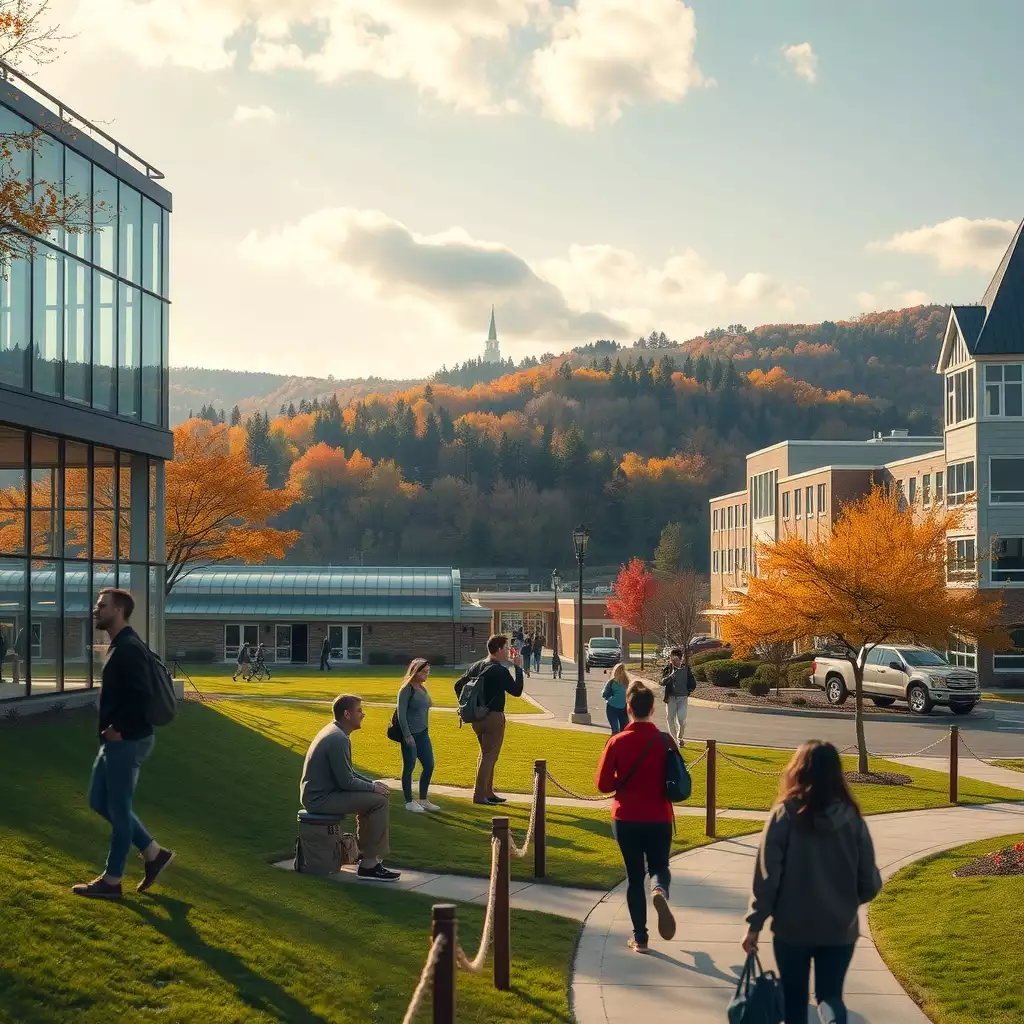
Support University Linked Hiring in North Central WV

Key Takeaways
- This article explains how hiring programs linked to universities prepare people for the workforce and boost the economy in North Central West Virginia.
- Readers can find ways to encourage partnerships between schools and local businesses, ensuring that students learn what employers need.
- It demonstrates how short-term credentialing programs help students gain practical skills for high-demand jobs.
Ensuring Quality and Improvement in Education
The Higher Learning Commission (HLC) ensures educational quality by accrediting colleges and universities. It emphasizes strong leadership and encourages continuous improvement, helping institutions exceed important standards. HLC promotes long-term programs that foster adaptability to the changing job market.
Workshops on program assessment provide opportunities for teachers to enhance their curriculum and align it with employer needs. This effort builds a culture of excellence where faculty development and innovative teaching methods thrive. Collaborations between universities and local businesses make academic programs more relevant, preparing graduates with skills for in-demand careers like technology and healthcare.
Short-term credentialing initiatives are reshaping job access by creating clear paths from education to employment in North Central West Virginia’s economy. Federal agencies seek diverse talent trained locally, giving students access to jobs and meaningful careers that benefit their communities, boosting personal livelihoods and regional growth.
Utilizing HLC Events and Workshops Effectively
The Higher Learning Commission (HLC) hosts events and workshops that help colleges connect with local businesses for hiring. The HLC Annual Conference is an opportunity for universities to share ideas and focus on improving educational outcomes. These gatherings allow schools to refine strategies so academic programs meet the needs of local employers.
Program assessment workshops help educators evaluate and update curricula effectively. Schools should view these sessions as opportunities for growth, ensuring students graduate with skills that align with employer demands in high-demand fields like technology and healthcare. Ongoing professional development enables faculty to adopt teaching methods that better prepare students for the workforce.
Embracing short-term credential programs aligns education with job opportunities in North Central West Virginia’s economy. With HLC endorsements for organizations creating practical credentials, universities can establish clear paths from training to careers tailored to local industry needs. This use of HLC resources strengthens partnerships between universities and businesses while developing a skilled talent pool that contributes to regional economic growth.
The Pros & Cons of Workforce Development Strategies
Pros
-
University partnerships offer clear routes to job opportunities for students.
-
Skills training programs match what employers are looking for in today's job market.
-
Financial aid options make it easier for more people to access higher education.
-
Community engagement projects build strong connections between universities and local businesses.
-
Ongoing improvement efforts boost the quality and effectiveness of education.
-
Leadership development programs equip schools to tackle new challenges as they arise.
Cons
-
There might be a gap between what schools teach and what jobs actually need.
-
Many students don't know about financial aid options, which could keep them from enrolling in school.
-
Depending too much on federal job opportunities may limit the variety of local employment available.
-
Short-term credential programs don’t always lead to stable careers in the long run.
-
Spending money on community engagement can put pressure on school budgets.
-
The quality of programs varies from one institution to another, which can impact student success.
Engaging in Institution-wide Enhancement Initiatives
In today’s world, schools play a key role in preparing the future workforce. Universities should engage in programs that promote teamwork and creativity to ensure their courses meet local business needs. This connection helps students find jobs while providing employers with skilled workers.
Workshops that review academic programs give teachers insights to improve their courses. These sessions encourage faculty to share ideas on aligning education with industry demands. Ongoing professional development enables instructors to adapt their teaching styles and course content, ensuring graduates have the skills needed for success.
Multi-year improvement plans help universities become more adaptable by focusing on long-term goals rather than quick fixes. Schools that invest in thorough evaluations build resilience, preparing them for changes in job markets or new technologies. When colleges allocate time and resources to these initiatives, they strengthen partnerships with local companies seeking well-trained candidates.
Innovative credentialing options create pathways from school to high-demand careers, particularly in North Central West Virginia’s economic field. Programs offering short-term certifications allow students to gain hands-on experience alongside traditional degrees, equipping graduates with both theoretical knowledge and practical skills valued by employers. By enhancing connections at all levels, educational institutions position themselves as leaders in regional economic growth and foster meaningful change within their communities.
Preparing Future Leaders in Higher Education
In today’s higher education field, developing strong leaders is essential for colleges and universities to address future challenges. Schools should create thorough leadership training programs that support current leaders and aspiring ones. By establishing a solid structure around effective management practices, educational institutions can quickly adapt to changes in job markets and societal expectations.
These efforts enhance the school’s capabilities and foster an environment where innovative teaching methods thrive. Faculty members who pursue professional development are better equipped to guide students through a fast-paced job market. This proactive approach ensures academic programs align with real-world needs, equipping graduates with relevant skills in fields like healthcare, technology, and engineering.
Partnering with local industries provides valuable hands-on learning experiences like internships or co-op programs, essential components of practical education. These collaborations bridge the gap between classroom learning and employer needs while addressing regional job demands. As these partnerships strengthen over time, they play a crucial role in positioning North Central West Virginia as a center for skilled talent ready to meet developing industry needs.
Adopting strategic frameworks focused on continuous improvement empowers educators, from teachers designing courses to administrators shaping policies, to effectively prepare the next generation of professionals for success beyond graduation.
Boosting Local Talent Through University Partnerships
| Initiative/Resource | Description | Key Focus Areas | Target Audience | Outcome Goals |
|---|---|---|---|---|
| HLC Annual Conference | Platform for sharing best practices among institutions | Educational outcomes | Higher education institutions | Improved strategies for student success |
| Short-Term Credentials Development | Resources for developing programs that enhance employability | Workforce alignment | Students and local employers | Increased job readiness |
| Program Assessment Workshops | Virtual workshops to improve program assessment processes | Institutional effectiveness | Faculty and academic staff | Enhanced quality of educational programs |
| Leadership Development Programs | Programs aimed at preparing leaders for evolving educational needs | Sound leadership practices | Current and future educational leaders | Strengthened institutional management |
| Financial Aid Resources | Assistance with FAFSA, scholarships, and payment plans to support students financially | Accessibility to education | Students from North Central WV | Increased enrollment and retention rates |
Linking Local Universities with Regional Jobs
The partnership between local universities and regional employers is key to building admin talent North Central WV in our community. This collaboration creates educational programs tailored to the skills needed in industries like healthcare, technology, and engineering. By aligning what students learn with employer needs, universities help graduates transition smoothly into their careers.
Short-term credentialing programs are crucial for developing a workforce that can adapt quickly to changes in the job market. These courses equip students with practical skills they can use immediately while meeting the developing demands of various industries. As businesses seek candidates with hands-on experience and academic knowledge, these credentials become essential for career growth, benefiting both individuals and local companies.
Networking opportunities arise through events like career fairs organized by schools and industry partners. These gatherings allow students to meet potential employers and discover job openings in their fields. This interaction enhances hiring efforts linked to universities by fostering connections among all parties involved.
Platforms like USAJOBS help recent graduates explore federal employment options, a path often overlooked but promising given the region’s focus on high-demand jobs needing locally trained talent. By utilizing government resources and support systems at schools designed to aid in navigating these options, future professionals gain confidence to start rewarding careers that positively impact their communities.
As North Central West Virginia works to boost its economy through better collaborations between education and business sectors, it’s vital for leaders from both sides to communicate about emerging trends impacting workforce dynamics. Working together will shape tomorrow’s skilled labor force ready to tackle future challenges.
Preparing Students for Immediate Employment
Local universities are essential in helping students gain the skills needed to enter the workforce. By creating programs that align with industry demands, these schools offer educational paths focused on growing fields like technology and healthcare. Many programs include hands-on training, which strengthens theoretical knowledge and builds practical skills required by today’s job market. As students engage in these learning environments, they enhance their confidence and abilities, ready to meet employer expectations.
Partnerships between schools and local businesses foster job readiness. These collaborations help institutions stay updated on labor needs while providing students access to internships or co-op placements for real-world experience before graduating. This teamwork transforms education from mere theory into active career preparation, ensuring graduates leave with degrees and relevant work experience sought by employers across North Central West Virginia’s diverse industries.
Unveiling Myths of University Hiring in WV
-
Universities in North Central WV value experiences and community involvement as much as grades.
-
Universities in this area seek applicants with diverse educational backgrounds to promote inclusivity.
-
Networking can significantly enhance a candidate's chances in job applications.
-
Hiring committees carefully review every application to find the right fit for their school.
-
University jobs increasingly include part-time instructors and specialized roles that support student success and institutional objectives.
Supporting Students Through Funding Resources
Financial assistance is crucial for students in North Central West Virginia seeking to continue their education. It provides access to resources that enhance the learning experience. Universities offer guidance on completing the Free Application for Federal Student Aid (FAFSA), which opens doors to grants and scholarships that reduce tuition costs. Many scholarship programs target fields with worker shortages, ensuring support for those entering high-demand careers.
Flexible payment plans help students manage finances while pursuing degrees without accumulating excessive debt.
Universities partner with local businesses and organizations to create funding opportunities that align with community needs and student job prospects. These partnerships often lead to internships or work-study positions linked to academic programs, providing practical experience and pay as students transition from classroom learning to real-world situations. This collaboration strengthens ties between education and employment in the region while stimulating economic growth through a skilled workforce ready to meet industry demands.
Schools increasingly offer short-term credentialing options alongside traditional degree paths, enabling students to quickly enter job markets after specific training. This approach enhances employability by equipping individuals with immediate skills needed for long-term career goals. By securing funds for these innovative training solutions, universities ensure graduates possess both solid knowledge and hands-on abilities sought by employers in sectors like technology and healthcare, benefiting North Central WV’s economy.
Through outreach efforts encouraging community involvement from stakeholders, including government agencies focused on workforce readiness, universities reinforce their commitment to creating accessible funding opportunities aligned with regional goals: producing skilled professionals who are academically prepared and financially savvy upon graduation.
Building Strong Ties Between Universities and Businesses
Collaboration between local universities and businesses is key to building a strong workforce that can adapt to the changing economy. When schools partner with companies, they create programs that align with industry needs, helping students gain skills in high-demand areas like technology and healthcare. These partnerships also promote hands-on learning experiences like internships and co-op programs, essential for students and beneficial for employers seeking talent.
Events like career fairs connect graduates with potential employers, providing opportunities for conversations that can lead to job offers and connect them with North Central WV staffing agencies. Students gain understanding into workplace expectations, while companies learn about the talents of future employees. As these relationships strengthen, they contribute to a vibrant job market filled with opportunities in North Central West Virginia’s diverse economy.
Programs focusing on short-term credentials offer clear paths from education to promising careers tailored to regional industry needs. This approach equips learners with valuable skills while enhancing adaptability to fast-changing job markets. Universities play a crucial role by updating training based on feedback from local businesses, preparing graduates to tackle today’s challenges.
Financial support options enhance university-business partnerships by removing barriers for new college students. Collaborating on funding initiatives or scholarship programs for fields facing worker shortages ensures aspiring professionals access quality education vital for community growth. Such collaboration strengthens ties between academia and industry and boosts regional economic health by producing skilled workers who contribute to their communities after graduation.
As North Central West Virginia creates an educated workforce capable of navigating future complexities, ongoing communication among educators and business leaders is essential for developing effective strategies to address emerging trends affecting labor across various sectors.
Enhancing University-linked Hiring Support
In North Central West Virginia, universities are partnering with local businesses to create job opportunities that meet the needs of students and employers. By collaborating with organizations like the Higher Learning Commission (HLC), schools can enhance their academic programs. They hold workshops to help teachers update courses to align with company expectations while encouraging creative teaching methods.
These institutions also focus on developing short-term credentials to respond quickly to job market demands. This strategy helps students gain essential skills needed in high-demand fields like healthcare and technology, facilitating their transition into careers tailored for local industries. When schools collaborate with employers during curriculum development, they can offer hands-on experiences like internships or co-op placements, blending practical experience with classroom learning.
Networking events connect graduates searching for jobs with businesses looking for qualified candidates. These gatherings provide insights into employer expectations and highlight trends shaping various industries. Platforms like USAJOBS help recent grads find federal job openings suited to their skill sets while strengthening community ties that promote economic growth throughout the region.
Financial assistance programs support this system by offering funding options designed to eliminate obstacles faced by those pursuing higher education. Collaborations focused on scholarships for areas experiencing labor shortages ensure individuals entering essential professions receive necessary financial aid without accumulating debt, ultimately enriching North Central WV’s economy as skilled professionals enter their communities ready to succeed in a changing job market.
FAQ
What role does the Higher Learning Commission (HLC) play in maintaining educational quality at universities?
The Higher Learning Commission (HLC) is essential for maintaining educational quality. It oversees the accreditation process, ensuring that schools demonstrate their commitment to providing quality education and strong leadership.
How do local universities collaborate with regional employers to enhance job opportunities for students?
Local universities collaborate with nearby employers to help students transition into the workforce. They create programs that connect student learning with company needs, making it easier for students to gain skills in high-demand jobs.
What types of skills training programs are offered by universities in North Central West Virginia?
Colleges in North Central West Virginia offer skills training programs in advanced manufacturing technologies, healthcare certification, information technology, and business management courses.
How does financial aid support access to higher education for students in the region?
Financial aid helps students in our area attend college by offering funding through grants, scholarships, and payment options. This support lowers financial hurdles, making it easier for more people to pursue their academic and career goals.
What community engagement initiatives do universities implement to strengthen ties with local industries?
Universities are connecting with their communities by collaborating with local businesses and organizing career fairs. These efforts build relationships with nearby industries and ensure that students learn the skills employers need in the workforce.
Why is leadership development important for managing higher education institutions effectively?
Leadership development is essential for managing higher education institutions. It helps leaders acquire skills to address challenges and promote improvements in educational quality and institutional success.