
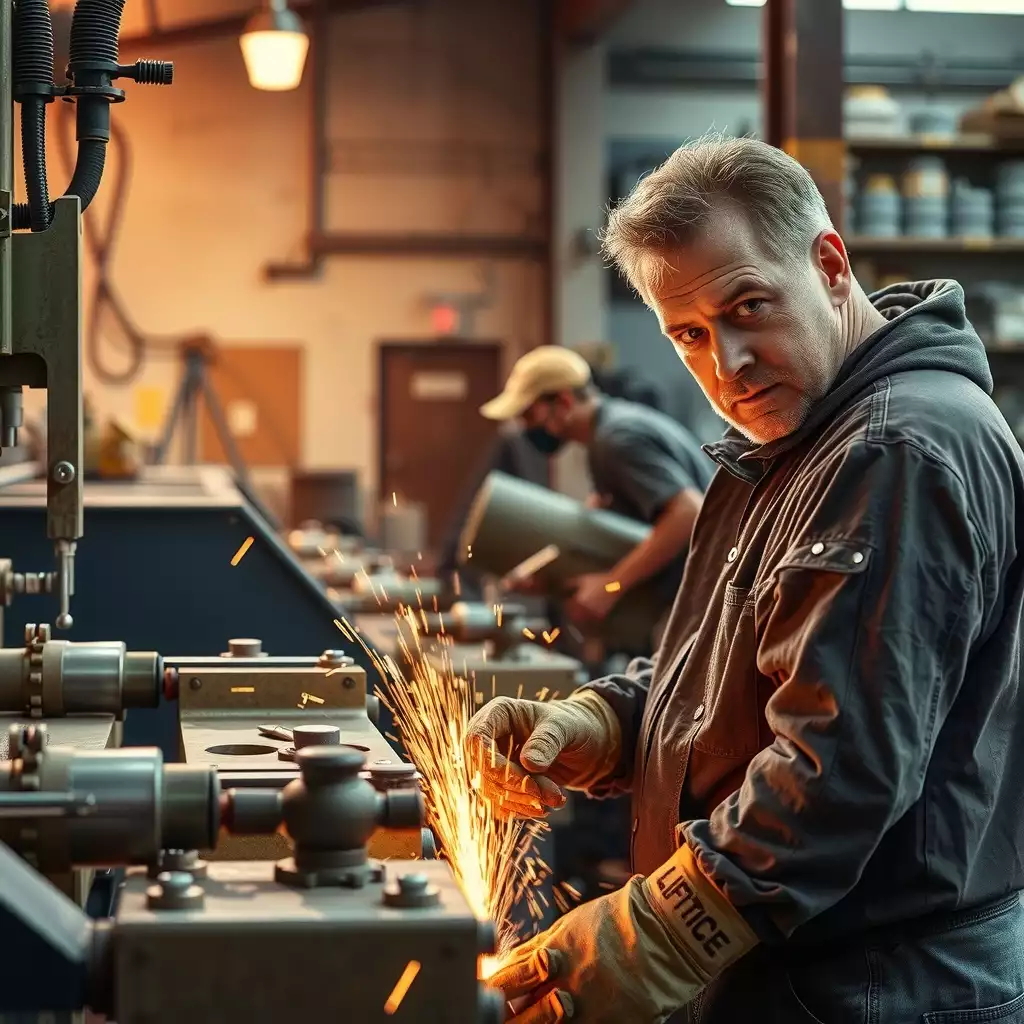
Source Welders and Machinists Across West Virginia

Key Takeaways
- This article highlights the importance of skilled welders and machinists in manufacturing staffing West Virginia, especially as advanced nuclear energy projects grow.
- It provides tips for employers to connect with qualified workers, helping them build a reliable team that meets industry needs.
- It stresses the value of collaboration between schools and local businesses in creating job opportunities for graduates by connecting them with trade jobs West Virginia, which helps the community thrive through skilled labor development.
Welding and Machining Industry Overview
Welding and machining are essential to West Virginia’s manufacturing scene, especially as the state embraces new technologies in nuclear energy. Companies like Wilson Works and VP Machine Welding & Fabrication blend experience with modern techniques. With certified facilities and a commitment to quality, these companies meet industry needs while raising the bar for precision and reliability.
The field is changing rapidly due to investments in advanced nuclear projects aimed at creating skilled trade jobs. As states collaborate on small modular reactor (SMR) projects, the demand for skilled welders and machinists is increasing. This shift brings economic benefits by boosting local job opportunities and enhancing community development through improved infrastructure and increased tax revenues. In this environment, partnerships between schools and industry leaders are crucial to ensure that new talent acquires the skills needed to thrive amid ongoing innovations.
Leading Companies in West Virginia
West Virginia’s welding and machining industry features key players known for quality, tradition, and innovation. For over 80 years, Wilson Works in Morgantown has led with National Welding Board certifications and ASME compliance. They use advanced FARO® technology for 3D modeling, boosting precision and keeping them ahead in modern manufacturing techniques. Similarly, VP Machine Welding & Fabrication near Weirton excels in portable machine welding and custom fabrication across various materials, focusing on high-quality service and customer satisfaction.
These companies play a crucial role in reviving West Virginia’s skilled trades as the state embraces new opportunities related to nuclear energy projects. Collaboration among states on initiatives like small modular reactors (SMRs) is driving demand for skilled welders and machinists who can meet tough standards. This growth promises significant job creation and strengthens local economies through increased employment options, vital for revitalizing communities once dependent on traditional industries.
Building strong partnerships is essential; educational institutions must align training programs with industry needs through training coordination to ensure enough qualified workers enter these roles. As businesses adapt to new technologies and changing regulations, they create an environment ripe for growth that benefits workers seeking stable careers and employers striving for excellence in production capabilities.
The Pros & Cons of West Virginia's Skilled Trades
Pros
-
The rise in nuclear energy projects is opening up well-paying job opportunities.
-
Established companies like Wilson Works and VP Machine are boosting local job options.
-
Training programs help workers gain the skills they need to meet industry demands.
-
Solid partnerships between schools and businesses increase job placement rates for graduates.
-
A growing need for skilled trades strengthens the local economy.
Cons
-
An older workforce makes it tough to bring in fresh talent to our industry.
-
With technology changing quickly, we need continuous education and training.
-
Other regions are competing for workers, which can slow down local job growth.
-
Relying too much on certain industries might make the economy unstable.
-
Many young people don’t know about career opportunities in trades, which keeps them from getting involved.
Emerging Trends in Skilled Trades
The skilled trades scene in West Virginia is changing rapidly due to the rising need for advanced manufacturing and renewable energy solutions. As industries shift towards sustainable practices, there’s a strong focus on integrating new technologies into traditional work processes. This change creates opportunities for welders and machinists skilled in both classic techniques and modern advancements like automation and robotic welding.
Efforts to revitalize old industrial sites with nuclear projects are impacting the job market. Companies seek workers who can manage complex systems while adhering to strict safety standards in fields like nuclear energy production. These trends emphasize the importance of continuous learning and adaptation.
Educational institutions play a vital role by updating programs to meet industry needs. By partnering with local businesses, students gain hands-on experience through internships or apprenticeships that align with employer requirements, this real-world training enhances their chances of employment after graduation.
Many organizations are leveraging technology to create hybrid learning models that combine classroom instruction with online courses, offering greater flexibility in training future talent. As companies strive for excellence amid growing competition, they recognize that investing in workforce development is crucial for maintaining smooth operations now and in the future.
Training Programs for Future Workforce
To meet the growing need for skilled welders and machinists in West Virginia, training programs are developing to provide practical education that aligns with employer demands. Schools like ATDM emphasize hands-on experiences with modern technologies like CNC machining and 3D printing. Their specialized courses teach essential skills like reading blueprints, precise measuring, and various welding techniques, ensuring graduates are prepared for real-world challenges.
Partnerships between schools and local businesses enhance job opportunities for trainees. Internships or apprenticeships with industry leaders allow students to gain insights into employer needs while practicing their skills in a work environment. This collaboration prepares aspiring professionals and helps companies build a workforce capable of meeting high production standards in fields like nuclear energy.
As technology transforms skilled trades, new teaching methods are gaining popularity in training programs. Hybrid models that combine traditional classroom learning with online platforms offer flexibility while ensuring quality instruction. These approaches enable learners to balance studies with potential jobs, a critical factor in competitive industries where adaptability is essential.
These thorough training initiatives play a vital role in boosting West Virginia’s economy by developing talent ready to succeed across various sectors. As businesses advance in manufacturing and adopt sustainable practices, investing in future workers ensures individual career growth aligns with community success amid emerging trends.
West Virginia's Welding Workforce: Skills and Stats
| Company Name | Established | Location | Services Offered | Certifications/Technological Advancements |
|---|---|---|---|---|
| Wilson Works | Over 80 years ago | Morgantown, WV | Metal fabrication, CNC machining, industrial supply | National Welding Board certified; ASME compliant; FARO® technology for 3D modeling |
| VP Machine Welding & Fabrication | Not specified | Near Weirton, WV & Steubenville, OH | Portable machine welding, custom metal fabrication | Focuses on high-quality service and customer satisfaction |
| ATDM Programs | Not specified | Various locations | Training in Additive Manufacturing, CNC Machining, NDT, Quality Control Inspection, Welding | Nationally recognized credentials from AWS |
| Economic Impact | Not applicable | West Virginia | Job creation in skilled trades like welding and machining | Anticipated higher wages and tax revenue generation |
| Challenges Facing Workforce | Not applicable | West Virginia | Need for new talent due to aging workforce | Ongoing education and training required to keep pace with technology |
| Industry Trends | Not applicable | West Virginia & Virginia | Rise in demand for skilled labor in nuclear energy | Federal support for domestic production of LEU |
| Curriculum Highlights | Not specified | Various locations | Blueprint reading, precision measurement, advanced tooling applications | Aligns with industry needs for relevant skills |
Economic Benefits of Skilled Labor
The welding and machining industries play a key role in boosting economic stability in West Virginia as the state embraces new nuclear energy technologies. By investing in these skilled trades, communities can expect more job opportunities that improve living standards and promote local business growth. As projects related to small modular reactors (SMRs) increase, the need for skilled welders and machinists will rise significantly. This surge in jobs means higher wages and more disposable income, driving further investment into the area.
Companies like Wilson Works and VP Machine Welding & Fabrication exemplify quality service and innovation. They are raising employment rates while contributing to the economy’s overall health. Their precision in meeting industry demands keeps them at the forefront of a changing market, where skilled workers receive competitive pay while improving community infrastructure through increased tax revenues.
Partnerships between schools and businesses create pathways for new talent, ensuring graduates have skills that match employer needs. These collaborations produce a workforce ready to tackle advanced manufacturing techniques required by modern industries, like renewable energy production, alongside traditional sectors seeking efficiency gains.
Strategic investments in workforce development meet immediate hiring needs and prepare West Virginia’s economy for future technological challenges. Enhanced training programs focused on practical applications equip workers with qualifications recognized across various fields, helping them stand out in competitive job markets where adaptability is essential.
Building a strong pipeline of skilled labor supports ongoing economic growth while strengthening community resilience against changing industrial trends. With investments nurturing local talent capable of handling strict safety protocols required by complex systems in nuclear facilities, West Virginia is on track for significant transformation driven by dedicated professionals ready to seize new opportunities.
Challenges Facing the Workforce Today
West Virginia’s welding and machining industries face significant challenges that could hinder growth. A major issue is the shortage of skilled workers. Many experienced professionals are nearing retirement, but there aren’t enough new talents to replace them. This workforce shift can slow innovation and productivity if not addressed soon.
Technology is advancing rapidly, requiring current employees to continuously learn and adapt. Companies need ongoing training programs, but these often don’t align with what educational institutions provide. As businesses adopt modern practices like automation and robotics, there’s increasing pressure on employers and schools to collaborate in creating relevant courses.
Economic fluctuations also impact funding for vocational programs that prepare future welders and machinists. Without consistent investment from public bodies or private companies, maintaining quality training facilities becomes difficult, potentially deterring students seeking stable careers in this field.
Changing safety standards due to regulations, like those in nuclear energy, add complexity for workers who must stay updated on compliance while enhancing their technical skills. These factors present a challenge: how do we ensure West Virginia’s workforce remains competitive as market demands evolve while fostering a culture of lifelong learning essential for success in today’s fast-paced industrial world?
Welders and Machinists: Myths and Facts Unveiled
-
Many think welders and machinists work only in factories, but they play important roles across industries like construction, automotive, aerospace, and art.
-
A common belief is that welding is risky; yet, with the right safety measures, it can be a secure and fulfilling career with few dangers.
-
Some believe machinists just run machines, but these skilled workers understand engineering principles, math skills, and materials science to make precise parts.
-
There’s a misconception that all welders have the same abilities; in reality, there are many specialized methods and certifications like MIG, TIG, and stick welding, each designed for different tasks.
-
Many assume you need a four-year degree to become a welder or machinist; yet, many successful professionals start their careers through vocational training programs or apprenticeships where they gain hands-on experience.
Future of Welding and Machining Jobs
The welding and machining industries in West Virginia are undergoing a significant change due to rising demand for skilled workers. With advanced nuclear energy projects on the rise, job opportunities are increasing. These jobs require individuals trained in complex systems. Companies seek candidates familiar with both traditional methods and modern techniques like automation. This shift is creating new career paths for welders and machinists throughout the region.
Educational institutions are crucial in this transformation by updating training programs to meet employer needs. By collaborating with local businesses, schools provide students with hands-on experiences that enhance employability upon graduation. Specialized courses in new technologies equip graduates with skills needed for today’s competitive job market, ensuring future talent can support growing industries.
Investing in workforce development initiatives is vital for progress within these trades. Partnerships between educational institutions and manufacturing companies bridge the gap from classroom learning to real-world experience while fostering innovation across the sector. As organizations allocate resources toward developing new talent, West Virginia’s economy strengthens, a bright future supported by professionals preparing for exciting roles.
The combination of technological advancements and traditional craftsmanship creates opportunities in West Virginia’s welding and machining fields. As employers adopt cutting-edge practices alongside established techniques, workers must remain flexible; continuous education is essential as rapid changes reshape operations. Skilled tradespeople not only secure their positions but also contribute significantly to regional prosperity through economic growth linked to today’s investments.
Welding and machining jobs are poised for growth due to innovations like nuclear energy projects and strong training programs tailored to market demands, where dedication meets skill ensures success stories unfold across communities statewide.
Strengthening West Virginia's Workforce
West Virginia’s workforce is at a turning point as it responds to the growing needs in welding and machining. Companies like Wilson Works and VP Machine Welding & Fabrication are leading by implementing effective training programs that align with employer demands. By combining advanced technology with traditional methods, they boost productivity and create career paths for newcomers. This blend of innovative learning and hands-on experience prepares individuals for high-paying jobs in emerging fields like nuclear energy.
As industries seek skilled workers to manage complex systems safely, partnerships between schools and local businesses are essential. These collaborations provide students with valuable opportunities through internships or apprenticeships, allowing them to gain practical knowledge that meets job market demands, ultimately easing their transition into the workforce after graduation. Such efforts represent a significant shift in how West Virginia develops its workforce, emphasizing real-world skills alongside classroom education.
The economic benefits are substantial; the anticipated increase in job openings will enhance community living standards and boost regional development through higher tax revenues supporting infrastructure upgrades. Developing this workforce goes beyond filling positions, it’s about creating lasting careers that positively impact local economies. By promoting ongoing education tailored to new technological trends, West Virginia strengthens its national standing among competitive industries.
Strengthening the state’s workforce involves more than addressing current hiring challenges; it’s about building resilient communities ready to adapt to changes brought on by advancements in sectors like renewable energy and advanced manufacturing. As welders and machinists refine their skills to meet these shifts, they create success stories throughout West Virginia, a testament to the commitment to excellence in craftsmanship and innovative solutions driving progress.
FAQ
What are the key industries driving demand for welders and machinists in West Virginia?
In West Virginia, welders and machinists are in high demand due to developments in advanced nuclear energy and growth in manufacturing and fabrication services.
How do training programs like ATDM prepare students for careers in welding and machining?
Training programs like ATDM prepare students for careers in welding and machining by providing practical experience with modern manufacturing technologies. They design courses to meet industry needs, ensuring graduates gain essential skills and earn nationally recognized credentials.
What challenges does the welding and machining industry face regarding workforce sustainability?
The welding and machining industry faces challenges. Many workers are aging, and there’s a need to attract new talent. Technology is changing quickly, so it’s important to keep up.
How does the push for advanced nuclear energy impact job opportunities in West Virginia?
The rise of advanced nuclear energy in West Virginia is creating job opportunities. This growth means skilled welders and machinists are in high demand to make necessary components for this new industry.
What strategies can be implemented to attract younger individuals into the welding and machining trades?
The company reaches out to schools, highlights career paths in welding and machining, and builds partnerships with educational institutions to get younger people interested in these trades.