
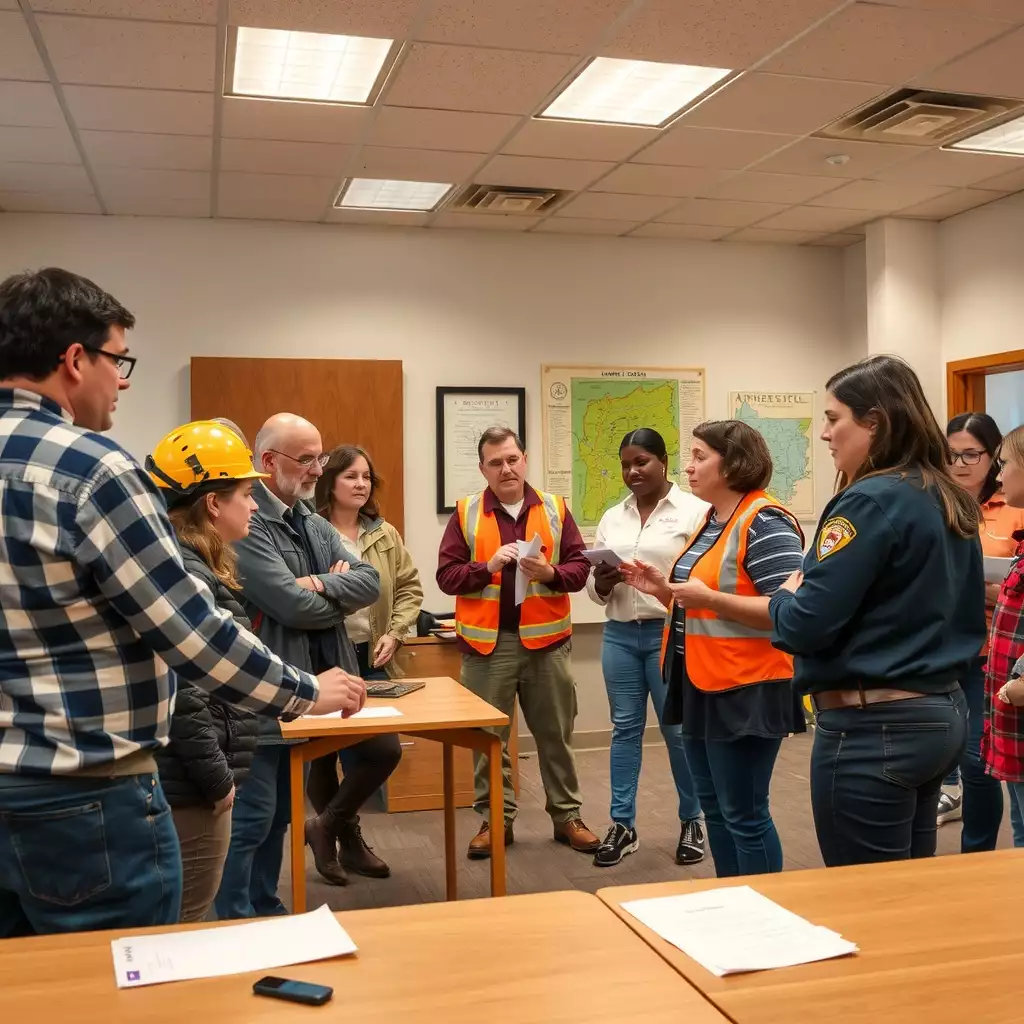
Share Safety Training Duties with West Virginia Agencies

Key Takeaways
- This article shows how local agencies in West Virginia can collaborate to improve safety training programs, creating a culture where communities stay alert and prepared.
- Readers will find tips on involving residents in spotting and reporting suspicious activities, turning citizens into proactive defenders of their safety.
- The piece emphasizes regular evaluations and customized workshops to adapt training for different groups throughout the state, ultimately strengthening community connections.
Goals of the Safety Training Initiative
The safety training initiative aims to create a culture of awareness and readiness in West Virginia communities. By increasing public knowledge about suspicious behaviors and providing residents with tools to take action, this program encourages everyone to report potential threats. This proactive approach teaches people to spot risks and invites them to join local safety efforts.
Through interactive workshops and practical resources, agencies provide citizens with skills for effectively communicating their observations. The initiative promotes teamwork among state departments, making it easier for people to report concerns while building trust between law enforcement and community members. As more individuals get involved, the community becomes stronger against threats.
Ongoing assessments are key to improving training programs tailored to different groups across West Virginia, including workplace safety metrics reporting. Regular feedback keeps these initiatives relevant as community needs change, strengthening bonds through shared goals around public safety. These efforts aim not just at meeting requirements but at creating a lasting sense of security throughout the state.
Involving Residents in Safety Efforts
Getting residents involved in safety programs turns them from bystanders into active community members. Hands-on training sessions that explain suspicious behavior and how to report it can boost community awareness. The “If You See Something, Say Something®” campaign motivates people to take charge of public safety by sharing information. When citizens feel knowledgeable and empowered, they are more likely to respond quickly to potential dangers.
Collaboration between local law enforcement and the community is key to building trust and improving communication. Regular workshops teach residents and open discussions about specific safety concerns in their neighborhoods. These interactions create strong relationships where feedback flows both ways, law enforcement learns about community issues while residents receive guidance on reporting observations confidently.
Continuous evaluation of these programs ensures they address the unique needs of different communities across West Virginia. Collecting input through surveys helps agencies adjust strategies based on feedback regarding safety measures. This adaptable approach strengthens community bonds as everyone works towards one goal: creating a safer environment where each resident plays an important role in maintaining public security standards. Through teamwork and ongoing improvement efforts, West Virginia’s communities become more resilient against new challenges.
The Pros & Cons of Community Safety Engagement
Pros
-
Getting the community involved boosts public awareness and vigilance about potential dangers.
-
Improved training programs teach residents how to spot and report suspicious behavior.
-
Working together with various agencies enhances resources and outreach initiatives.
-
More funding helps launch community engagement campaigns that focus on safety awareness.
-
Clear communication channels provide timely updates about new threats and necessary actions.
-
Technology makes it easy to report concerns anonymously, encouraging more people to get involved.
Cons
-
Many people still don’t know what suspicious activity looks like.
-
If folks don't understand how to report issues, responses can fall short.
-
Relying on local police can lead to mixed results in handling situations effectively.
-
Budgeting for outreach programs might not be enough or could change with political shifts.
-
To connect with different communities, we need specific strategies that often require a lot of resources.
-
Fear of retaliation from some individuals can make reporting tough and less effective.
Materials and Workshops for Education
Workshops and educational resources are essential for OSHA training West Virginia, empowering citizens with important knowledge and skills. These sessions emphasize practical applications, helping participants identify warning signs of suspicious activities. Hands-on exercises and real-life scenarios create an engaging environment that enhances understanding and retention. Tailored materials address the diverse needs of communities, schools, businesses, or local organizations, promoting a united approach to public safety.
Ongoing outreach efforts reinforce learning within communities. Agencies distribute informational packets with guidelines on reporting suspicious behavior and visual aids illustrating those behaviors. This strategy encourages active participation by making information accessible while building trust between residents and law enforcement. Regular follow-up sessions provide opportunities for open dialogue where community concerns can be addressed directly by safety officials throughout West Virginia.
Understanding Public Knowledge Gaps
Spotting knowledge gaps among the public is key to improving safety efforts in West Virginia. Many people don’t know what suspicious behavior looks like or how to report it, making community involvement harder. This highlights the need for outreach programs that teach residents to recognize potential threats and understand their role in keeping everyone safe. By filling these knowledge gaps with hands-on workshops and accessible resources, local agencies can help communities respond proactively instead of waiting for problems to arise.
Regularly assessing community awareness offers insights into areas needing attention. Gathering feedback from surveys or focus groups helps create tailored training programs for different groups within West Virginia. These changes improve educational content and build a sense of shared responsibility among locals, equipping them to actively participate in safety initiatives while strengthening trust between citizens and law enforcement. As this teamwork develops, it enhances community ties essential for effectively facing new challenges across the state.
Collaborative Safety Training Across West Virginia
| Area of Focus | Key Points | Actions Recommended | Stakeholders Involved | Goals |
|---|---|---|---|---|
| Campaign Objectives | Increase public vigilance; educate on suspicious behavior; encourage reporting | Enhance training programs; engage community | Local Law Enforcement, DHS | Foster proactive reporting culture |
| Community Engagement | Role of individuals in safety; sharing campaign information | Advocate for increased funding; utilize social media | Community Members, Nonprofits | Strengthen community involvement |
| Awareness Levels | Many unaware of suspicious activity; need for outreach | Conduct surveys; refine training materials | Public Health Departments, Local Agencies | Improve understanding of safety protocols |
| Reporting Mechanisms | Report to local authorities, not DHS; call 9-1-1 in emergencies | Establish clear communication channels; create online portal | Local Law Enforcement, DHS | Ensure effective reporting of suspicious activities |
| Legislative Support | Crucial for funding safety training; updates on relevant bills | Annual reviews of legislation; inform stakeholders | State Legislatures, Safety Training Programs | Enhance funding for community security measures |
| Enhanced Training Programs | Comprehensive modules for demographics; real-life scenarios | Develop tailored training sessions; incorporate practice | Local Law Enforcement, Community Organizations | Equip citizens with skills to identify and report threats |
| Technology Solutions | Explore anonymous reporting apps; encourage hesitant individuals | Implement mobile platforms for reporting | Tech Companies, Local Law Enforcement | Increase reporting rates while ensuring citizen safety |
How to Report Suspicious Activities
In West Virginia, if you see something suspicious, take action. Recognize what suspicious behavior looks like, anything unusual or out of the ordinary. Trust your instincts; if something feels off, it deserves a closer look.
Local police are your primary resource for reporting these concerns. If you notice someone acting strangely near sensitive areas or cars parked improperly, contact local authorities instead of handling it yourself or reaching out to federal agencies like the Department of Homeland Security.
For non-emergency situations, communities have guidelines for quick reporting while prioritizing safety. Each agency provides resources that explain the steps and offer tips on effective communication about risky situations.
Getting involved in community outreach programs boosts awareness by showing residents how to report concerns, including hotlines and online platforms. Regular workshops clarify these processes and empower residents to contribute to public safety.
Creating an environment where everyone is vigilant depends on participation from all residents. It’s crucial that locals feel informed and confident enough to act when necessary, together we can make our neighborhoods safer for everyone!
Funding and Policy for Safety Programs
Securing funding and supportive policies for safety programs is crucial for West Virginia’s community preparedness. As agencies collaborate, legislative support is essential to ensure consistent financial resources for training initiatives that raise public awareness about potential threats. The state takes a proactive approach, focusing on sustainable frameworks that adapt as needs change.
Clear guidelines for fund allocation facilitate effective safety measures across communities. Agencies can use these resources to create targeted outreach campaigns and build partnerships with local organizations dedicated to improving public security. By establishing a system where policy supports funding initiatives, West Virginia fosters a lasting culture of vigilance.
Regular assessments and feedback loops provide insights into how well current strategies meet community expectations. Stakeholders are encouraged to share their views, enabling policymakers to adjust priorities based on real-time data reflecting residents’ safety concerns. This ongoing conversation strengthens relationships between government bodies and citizens, creating shared responsibility for maintaining a secure environment throughout the state.
Technology modernizes reporting channels within funded programs; mobile apps or online portals allow anonymous reports of suspicious activities without revealing individuals’ identities. This innovation fosters trust among communities who might otherwise hesitate to alert authorities about potential threats.
Through collaboration supported by solid funding structures and responsive policies tailored to community needs, every initiative contributes to enhancing safety standards across neighborhoods in West Virginia.
Discover Unique Insights on Safety Training
-
West Virginia agencies collaborate to enhance safety training by sharing resources and knowledge, ensuring all employees receive consistent training.
-
Many believe only high-risk jobs require safety training, but research shows that low-risk workplaces also benefit from regular sessions.
-
Safety training programs in West Virginia focus on local hazards like steep hills and severe weather, making lessons practical and applicable for participants, highlighting the need for OSHA compliance West Virginia.
-
A common misconception is that safety training occurs just once; yet, ongoing classes and refreshers are crucial for keeping everyone updated on changing safety regulations.
-
Participants in safety training report greater confidence in handling emergencies, demonstrating that effective training empowers employees to respond when it matters.
Working Together for Community Safety
Working together across different agencies is key to making communities in West Virginia safer. By sharing resources and expertise, these groups can effectively tackle potential threats as a united front. The “If You See Something, Say Something®” campaign encourages residents to get involved in maintaining public safety. This shared responsibility builds trust between law enforcement and the community while empowering individuals to take charge of their environment.
Clear communication is essential for successful safety efforts. Regular meetings and workshops allow stakeholders from various sectors to discuss challenges and achievements. These conversations promote sharing effective practices that work within local settings, ensuring training programs remain relevant and impactful.
Outreach initiatives are vital in educating residents about recognizing suspicious activities. Agencies can create tailored educational materials for specific groups, like schools or businesses, to ensure everyone knows how to confidently spot potential risks. Such focused approaches instill assurance among community members who might hesitate to report concerns.
Technology enhances collaboration among organizations dedicated to improving public safety. Mobile apps for anonymous reporting empower individuals by providing easy ways to share observations without fear of backlash, a crucial step toward building a more alert society.
Ongoing evaluations ensure that collaborative strategies evolve based on feedback from participants; this adaptability strengthens community ties and promotes accountability at all levels, working towards creating safer environments throughout the state.
Enhancing Shared Safety Training Duties
Sharing safety training responsibilities among West Virginia agencies is key to creating a united approach to community safety. By bringing together local law enforcement, public health departments, and schools, these groups can develop effective training programs for various audiences. This teamwork emphasizes understanding each community’s unique needs while teaching people to spot suspicious behavior in workshops and seminars.
Involving citizens through hands-on activities helps them actively participate in keeping their neighborhoods safe. When residents learn to recognize unusual activities and report them properly, they become engaged participants rather than bystanders. These efforts build trust within communities by promoting open communication between agencies and the people they serve.
Ongoing improvement is also important; regular evaluations provide valuable feedback that refines training based on participants’ experiences. By adjusting resources according to community input, agencies ensure information remains relevant and accessible, boosting the effectiveness of shared safety efforts across West Virginia.
Technology can enhance outreach as well. Online platforms or mobile apps for anonymous reporting allow individuals who fear backlash when speaking up about potential threats to share concerns safely. These innovations improve communication and encourage involvement from all sectors working toward better public safety initiatives statewide.
By supporting joint projects with targeted funding among organizations committed to protecting residents’ welfare, a culture of vigilance develops throughout West Virginia, where everyone plays a vital role in achieving higher security standards together.
Fostering Safe Communities Through Collaboration
In West Virginia, creating safe communities relies on teamwork among agencies and organizations. When these groups collaborate, they can build a strong safety training program that encourages residents to actively protect their neighborhoods. The “If You See Something, Say Something®” initiative raises awareness and helps people understand the importance of reporting suspicious behavior quickly.
Getting involved is crucial; when citizens recognize potential threats and have clear steps to follow, they become proactive defenders of their community. Regular workshops provide education and encourage conversations between law enforcement and locals, building trust and promoting open dialogue about specific safety concerns.
Ongoing evaluations are vital for tailoring training programs to meet the unique needs of different populations across West Virginia. By collecting feedback through surveys or focus groups, agencies can update educational materials, ultimately strengthening community ties based on shared responsibility for safety.
Using technology enhances collaboration by offering easy ways for people to report issues anonymously and share information with fellow residents. This approach makes participation more accessible while empowering those who might hesitate to raise alarms about possible dangers.
With aligned strategies backed by proper funding and legislative support prioritizing public safety initiatives statewide, the commitment to building safer environments grows throughout local areas in West Virginia, where every citizen plays a crucial role in promoting better security practices.
FAQ
What is the purpose of the "If You See Something, Say Something®" campaign in West Virginia?
The “If You See Something, Say Something®” campaign in West Virginia aims to boost awareness. It helps communities recognize suspicious behaviors and encourages everyone to report unusual activities for better safety.
How do local law enforcement agencies play a role in reporting suspicious activities?
Local police departments are places for citizens to report suspicious activity. They help community members connect with the right resources for their concerns.
What are some key findings regarding community awareness of safety protocols?
Key findings show many people in the community don’t know what suspicious activity looks like or how to report it. This highlights a need for better outreach to help everyone understand these issues.
Why is legislative support important for funding safety training initiatives?
Legislative support is crucial for securing funding for safety training programs. It directs resources to enhance community security and maintain these training initiatives effectively.
What recommendations are made to enhance safety training duties among agencies?
To improve safety training across agencies, we suggest creating customized training programs, increasing funding for outreach, regularly assessing community needs, enhancing communication channels, partnering with nonprofits and businesses, using technology for anonymous reporting, and reviewing relevant laws annually.
How can technology solutions improve the reporting process for suspicious activities?
Tech solutions simplify reporting suspicious activities by providing anonymous platforms. These tools enable people to express concerns without fear of backlash.