
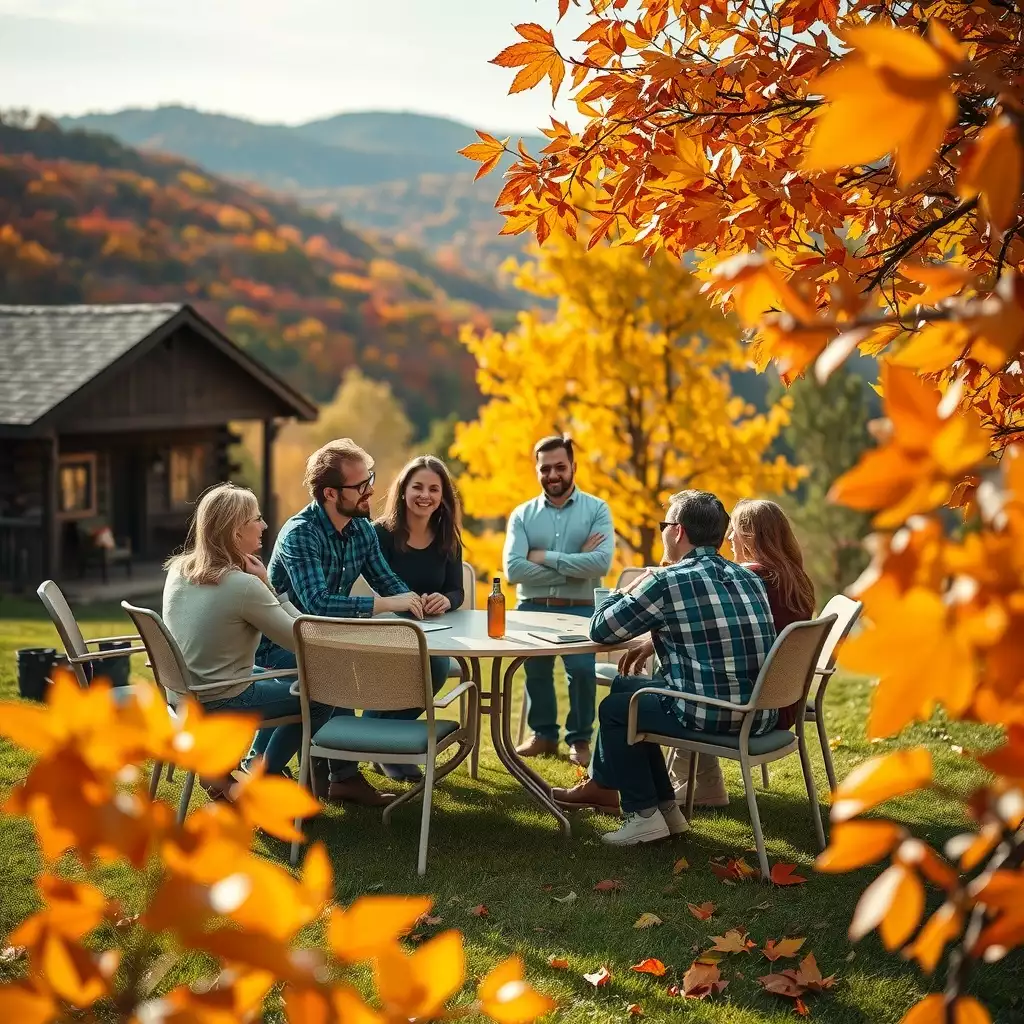
Protect Culture while Scaling Teams in West Virginia

Key Takeaways
- This article emphasizes the need to integrate West Virginia’s cultural heritage into renewable energy projects, ensuring that development respects historical sites and community values.
- Readers will find strategies for connecting with local stakeholders through communication and teamwork, building trust while balancing progress with cultural preservation.
- It highlights funding options and designs tailored to the area as resources for businesses seeking sustainable growth without losing West Virginia’s unique character.
Balancing Heritage with Renewable Initiatives
West Virginia’s path to embracing renewable energy must respect its cultural background. As businesses engage in sustainable projects, they can blend innovation with tradition, ensuring local heritage plays a vital role in development. By considering the impact on historic sites and obtaining community input early, organizations can foster growth without overshadowing what’s important.
Learning from neighboring areas offers ideas for how West Virginians can merge their rich history with modern progress. Developers should adopt approaches that honor both the visual appeal and cultural values of the region while designing renewable installations that preserve views of historical landmarks. This not only maintains beauty but also enhances public access to beloved places, allowing everyone to enjoy nature alongside the state’s history.
Building partnerships with preservation groups fosters collaboration between developers and local communities, helping them pursue common sustainability goals while maintaining cultural identity. This teamwork demonstrates how West Virginia can create jobs through conservation efforts while protecting its unique qualities for future generations, including workforce solutions West Virginia. By keeping a long-term vision in mind, all parties involved in renewable projects can align their goals with community desires, achieving a balance between progress and heritage as they move forward together.
Strategies for Meaningful Stakeholder Involvement
Engaging stakeholders effectively means understanding the local context and committing to community values. Businesses can start this process by creating advisory panels with diverse representatives from impacted communities, ensuring everyone has a say in discussions about project effects.
Hosting workshops or town hall meetings provides spaces where residents feel valued and encouraged to express their views on proposed developments.
Building partnerships with established local groups, like historical societies or cultural organizations, boosts trust and collaboration. These connections allow businesses to gain insights into the area’s history while respecting West Virginia’s unique heritage. Including feedback loops during project planning helps stakeholders see how their input influences outcomes, giving them a sense of ownership over initiatives that affect their lives.
Clear communication about potential environmental changes is crucial; it reassures communities that developers care about both progress and preservation. Using visual aids like maps or simulations illustrates how projects will fit into existing landscapes without major disruptions, a key concern for locals who value scenic views. Involving community members at every stage, from idea generation through execution, fosters goodwill and builds lasting partnerships focused on sustainable development while honoring cultural integrity.
The Pros & Cons of Balancing Growth and Heritage
Pros
-
Safeguarding cultural heritage strengthens community identity and pride.
-
Sustainable energy initiatives open up new job opportunities and economic growth.
-
Involving local stakeholders encourages teamwork and better understanding among everyone.
-
Creative funding strategies draw in private investments for conservation projects.
-
Recreational activities near cultural sites increase tourism, benefiting local businesses.
-
Planning for the long term helps balance development with preservation efforts.
Cons
-
Big solar farms can change the look of important historical landscapes.
-
Developers and preservationists might clash, which can slow down projects.
-
Getting the community involved often takes a lot of time and can be complicated.
-
If we don't protect them properly during development, we could lose valuable historical sites.
-
Economic growth plans sometimes focus on quick profits instead of lasting sustainability.
-
A lack of resources for thorough evaluations can make it hard to preserve our culture effectively.
Minimizing Disruption to Scenic Landscapes
Integrating renewable energy projects into West Virginia’s landscapes requires a thoughtful approach that honors the area’s visual and cultural heritage. Developers should evaluate how their projects can preserve views while using creative designs for energy installations. By focusing on solutions that fit well with the surroundings, companies can ensure their developments blend seamlessly with historical sites, allowing locals and visitors to enjoy modern advancements alongside local history.
Working closely with community members is crucial for minimizing disruptions during project execution. Involving local organizations builds trust and offers insights into how proposed changes might impact landscapes. Keeping communication open ensures feedback is collected and considered at every stage of development, demonstrating a commitment to preserving what makes West Virginia unique while pursuing sustainable economic growth. This respect between developers and communities creates an environment where progress enhances rather than detracts from the state’s natural beauty and cultural story.
Learning From Regional Integration Examples
Looking at regional integration efforts can teach West Virginia important lessons about growth while preserving its culture. Nearby states demonstrate that successful renewable energy projects involve community engagement and respect for historical sites. Developers in Virginia have shown that open communication with local residents helps balance economic goals with preserving historic landmarks. By assessing potential impacts and designing projects to fit their surroundings, these initiatives maintain visual appeal and protect significant locations, strategies that West Virginians can adopt as they pursue development.
Teamwork between industry leaders and heritage groups is crucial for fostering innovation without harming local traditions. Successful examples show how partnerships build trust and encourage a shared vision among stakeholders involved in planning and executing projects. This collaborative approach allows businesses to learn culturally sensitive practices while aligning with community values. As West Virginia explores sustainable energy opportunities, drawing from these regional experiences offers a path toward growth that honors its cultural history.
Empowering Teams: Protecting Culture in WV
| Aspect | Description | Key Stakeholders | Best Practices | Challenges | Opportunities |
|---|---|---|---|---|---|
| Cultural Heritage and Renewable Energy | Emphasizes coexistence of renewable energy initiatives with historic preservation efforts. | Local communities, historians | Proactive planning to mitigate visual impacts | Potential disruption to historical sites | Sustainable energy growth while preserving heritage |
| Community Engagement Strategies | Engaging local insights for culturally sensitive practices in renewable projects. | Preservation organizations | Form partnerships with local groups | Resistance from community members | Enhanced collaboration and alignment |
| Visual Impact Concerns | Addresses how large solar installations alter visitor experiences at historical sites. | Developers, preservationists | Design to minimize disruption to scenic views | Balancing development and preservation needs | Improved public access to historical areas |
| Economic Diversification | Aligning conservation efforts with economic strategies to promote nature-based industries. | Local governments, businesses | Leverage natural resources responsibly | Funding limitations for conservation projects | Job creation through outdoor recreation |
| Innovative Funding Models | Utilizing impact investment funds to create environmental benefits alongside financial returns. | Investors, nonprofits | Attract private capital into local communities | Complexity of funding models | Sustainable economic growth |
| Long-Term Vision for Cultural Preservation | Integrating cultural heritage considerations into all phases of project planning. | Policymakers, community leaders | Rigorous scrutiny on future developments | Ensuring lasting impacts on local culture | Balanced approach between progress and preservation |
Collaborating with Local Organizations
Connecting with local organizations is essential for businesses looking to grow their teams while respecting West Virginia’s culture. By partnering with community groups, developers gain insights into historical sites and cultural aspects they might otherwise miss. These partnerships foster shared responsibility, promoting openness in planning and executing projects. Collaboration builds trust and empowers communities by including them in discussions about development impacts, ensuring their opinions matter at every step.
Working with local preservation societies helps companies make informed decisions regarding renewable energy projects. These organizations protect heritage and provide important information about how new developments might affect landscapes or historic sites. This collaboration allows businesses to design projects that honor the area’s cultural significance and modern needs. As relationships strengthen, they pave the way for economic growth while preserving West Virginia’s identity, a balance where progress coexists with tradition without sacrificing either.
Aligning Growth with Ecological Protection
As West Virginia expands its renewable energy sector, balancing growth and environmental protection is crucial. By evaluating how projects affect historic areas, businesses can adopt sustainable practices that respect cultural significance. Collaborating with local communities helps developers create plans that honor community values and natural resources, leading to inclusive progress.
Creative design solutions reduce visual disruptions while improving public access to cherished sites. When organizations plan with respect for their surroundings, they preserve beautiful views and promote opportunities for recreation and education connected to West Virginia’s rich history. This proactive approach strengthens connections between communities and their environments, fostering pride among residents and attracting visitors interested in the state’s unique story.
Building partnerships with preservation groups aligns development projects with environmental protection goals. Through shared visioning sessions and open communication, businesses demonstrate their commitment to respecting local traditions during expansion efforts. These collaborations benefit everyone, economic growth pairs with environmental stewardship, ensuring future generations inherit landscapes filled with history rather than modernity.
Involving feedback from diverse community members during project planning builds trust and reinforces accountability as work progresses. Open discussions about potential changes empower locals, making them active participants in shaping developments affecting their neighborhoods; this sense of ownership leads to thoughtful outcomes that resonate within each community’s identity.
Learning from successful examples in nearby regions where similar challenges have been addressed through tailored engagement techniques lays a strong foundation for positive results. As West Virginia embarks on renewable projects intertwined with conservation efforts rooted in its culture, the combination of innovation and tradition becomes an achievable goal through dedicated effort toward preserving what makes this state special.
Uncovering West Virginia's Team Culture Mysteries
-
Teams in West Virginia value community. Members get together for potlucks and social events, building strong friendships that extend beyond work.
-
There are many stories about the work ethic of people from West Virginia. Their hard work and determination stem from a history in coal mining and craftsmanship, which shapes team dynamics today.
-
The Appalachian culture brings a unique vibe to team interactions, where storytelling is important. Team members share experiences that enhance understanding and teamwork.
-
Outdoor activities like hiking or white-water rafting are popular among West Virginia teams for building camaraderie, showcasing the state's landscapes while encouraging teamwork.
-
Humor is a key part of team culture in West Virginia; colleagues use light-hearted jokes to ease tension and create a relaxed atmosphere at work.
New Models for Sustainable Investments
West Virginia needs to explore funding models that support sustainable investments while protecting its cultural heritage. One option is using impact investment funds, which aim to create environmental benefits alongside financial gains. By bringing private money into local projects focused on economic growth and cultural integrity, businesses can build a system that encourages sustainability and respects community values. This approach supports renewable energy efforts and connects them with the state’s rich history.
When developers initiate projects in areas with significant historical landscapes, they should use context-specific strategies. Involving stakeholders through open planning processes allows everyone’s voice to shape development outcomes, building trust and shared responsibility between communities and developers. Successful case studies from nearby regions demonstrate how to integrate renewable energy solutions without harming cultural sites, providing West Virginians insights on balancing economic goals with local traditions.
Creating recreational opportunities near preserved historical sites offers another way for West Virginia to encourage sustainable investments. These initiatives improve public access and boost tourism by linking outdoor activities with educational experiences about regional history. Through partnerships between conservation efforts and community involvement, businesses can develop ecosystems that attract visitors while protecting their heritage, enhancing the lives of current residents and helping future generations understand their roots.
Boosting Tourism Through Conservation Efforts
Combining conservation efforts with tourism can make West Virginia a top choice for visitors seeking authentic experiences. By highlighting its historical sites and natural beauty, local businesses can create opportunities that celebrate the state’s culture while boosting the economy. Guided tours, educational programs, and outdoor activities in preserved areas attract tourists and help locals appreciate their heritage. When communities focus on conserving their history, they foster sustainable tourism that benefits both the economy and cultural identity.
Partnerships between developers and local organizations are crucial for creating innovative tourist attractions based on conservation principles. Involving community leaders and preservation groups from the start ensures new projects align with existing cultural narratives while offering nature-related activities. This collaborative approach encourages investment in initiatives by including diverse perspectives, strengthening connections between residents and their surroundings. This teamwork enhances visitor experiences by showcasing West Virginia’s rich stories alongside its stunning landscapes, a winning combination that boosts tourism while caring for the environment.
Frameworks for Future Project Assessments
As West Virginia starts new projects, it’s important to create systems for evaluating how development affects culture and the environment. A thorough evaluation process that values local history allows developers to identify potential issues early in their planning. This enables informed choices that honor community values while encouraging economic growth. Involving local historians and preservation advocates from the beginning fosters communication and builds trust, ensuring diverse viewpoints are considered.
Structured methods for community feedback during the project’s life cycle keep residents involved and promote transparency. Tools like surveys or focus groups allow stakeholders to share concerns about proposed developments. When businesses incorporate this feedback into their plans, they foster collaboration, leading to results that respect both progress and tradition.
Creating clear guidelines for assessing visual impact helps protect landscapes as infrastructure grows. Developers can use creative design methods to minimize disruptions around historical sites while improving public access. This approach safeguards valuable resources and enhances visitor experiences by blending modern advancements with rich histories.
Building educational partnerships between industry leaders and schools nurtures future generations’ understanding of sustainable practices rooted in cultural integrity, ensuring a long-term commitment to maintaining West Virginia’s unique identity amidst change. By embedding these principles within foundational assessments through collaboration today, the state prepares for future challenges as it moves toward responsible growth aligned with cherished traditions.
Balancing Growth and Heritage
West Virginia’s path to a sustainable future is closely linked to preserving its unique culture. As renewable energy businesses grow, they must respect historical sites and traditions. This requires an innovative approach that encourages community involvement and values input from local residents.
By partnering with heritage organizations and engaging the community during project planning, companies can balance growth with respect for cherished customs. A thoughtful approach integrates modern projects with traditional values. Developers should focus on designs that fit within the field and consider how their projects will appear in significant areas, this enhances locations and boosts public interest.
Investing in educational programs related to conservation can help locals and visitors appreciate West Virginia’s history. This allows economic growth to flourish alongside cultural preservation, creating a lasting legacy that enriches West Virginia’s story.
FAQ
What are the key challenges West Virginia faces in balancing cultural preservation with economic growth in renewable energy?
West Virginia is addressing challenges as it seeks to preserve its culture while promoting economic growth through renewable energy. This includes assessing how new developments might affect historic landscapes, ensuring detailed evaluations, and allowing local communities to participate in the process. It’s essential that development goals align with the community’s heritage values.
How can developers ensure that renewable energy projects respect local heritage and community values?
Developers ensure renewable energy projects honor local heritage and community values by conducting assessments, involving stakeholders in discussions to build agreement, and using approaches that respect the cultural field of West Virginia.
What successful case studies illustrate effective integration of renewable energy initiatives with cultural considerations?
Successful examples from Virginia, like the evaluations in Dinwiddie County and the sPower facility in Spotsylvania County, show how to blend renewable energy projects with cultural awareness. These cases balance development goals with respect for historical importance.
What role does community engagement play in scaling teams for renewable energy projects in West Virginia?
Community engagement is key to building successful teams for renewable energy projects in West Virginia. It incorporates local knowledge, leading to practices that respect the state’s heritage and encourage teamwork among all involved.
How can innovative funding models support both conservation efforts and sustainable economic growth in the region?
New funding models, like impact investment funds, support conservation and boost economic growth in the region. They bring in private investors who want to make money while benefiting the environment. This approach encourages projects that protect cultural heritage and drive economic development.