
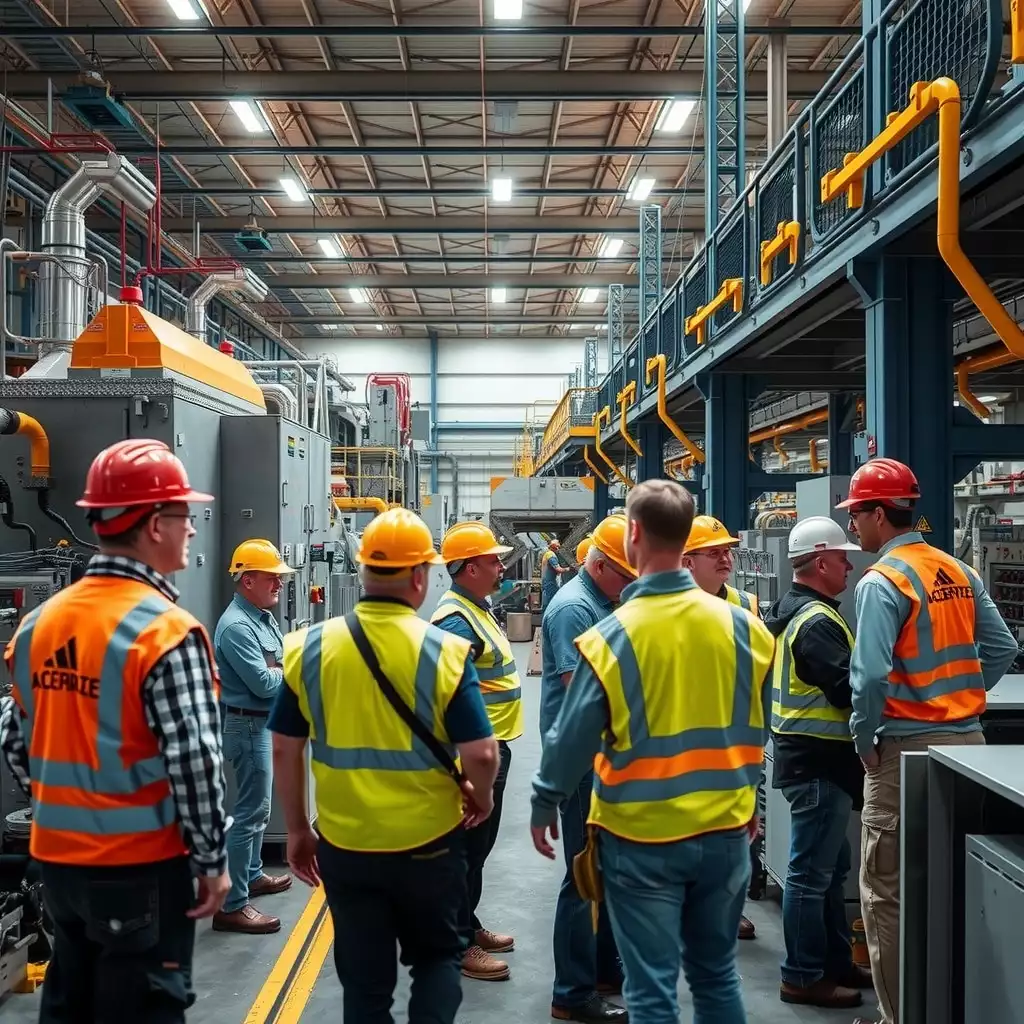
Manage Rotating Shift Teams in West Virginia Plants

Key Takeaways
- Readers learn ways to improve shift schedules that increase productivity and focus on employee well-being.
- This article emphasizes the importance of communication and support systems for creating a team-oriented environment, ensuring both managers and staff feel appreciated and involved.
- Insights into ergonomic practices show how technology and job rotation can lower the risk of cumulative trauma disorders (CTDs) and boost workforce performance.
Understanding the Impact of Ctds
Cumulative trauma disorders (CTDs) are a significant issue in workforce management, particularly in manufacturing where repetitive tasks are common. These disorders result from long-term exposure to poor ergonomic practices and can lead to serious injuries like carpal tunnel syndrome and chronic back pain. This impacts employee health and decreases productivity when skilled workers take time off due to these avoidable problems.
To address CTDs effectively, companies need a plan that incorporates ergonomics into daily work routines. By examining workstations for risk factors, like awkward postures or inadequate tools, managers can implement changes that create healthier working conditions. This proactive approach reduces injury rates and helps employees feel valued, boosting morale.
Establishing open lines of communication for reporting ergonomic issues is essential for shutdown safety protocols. When workers feel comfortable sharing experiences of physical strain during shifts, it fosters a culture of continuous improvement, crucial for reducing CTD risks over time.
Implementing job rotation strategies is another effective way to combat CTDs among rotating shift teams. Regularly changing tasks lessens fatigue and prevents excessive strain on specific muscle groups while providing skill variety. Offering training focused on recognizing early signs of CTDs equips employees with knowledge to maintain their well-being amid demanding schedules in industrial settings like West Virginia’s manufacturing sector.
Enhancing Worker Health and Productivity
Effective ergonomic practices are essential for maintaining worker health and boosting productivity in rotating shift teams. When companies design workstations that align with natural body movements, they reduce strain on employees. Adjustable equipment allows workers to customize their setups to meet personal needs. This adjustment reduces discomfort and improves job performance, as employees feel more engaged and less fatigued during shifts. Fostering an environment where feedback is encouraged enables team members to share insights about physical challenges they face.
Strong training programs focused on injury prevention for each role are also crucial. These sessions teach safe lifting techniques and proper tool usage, vital for reducing risks associated with repetitive tasks common in manufacturing. Offering flexible scheduling options boosts employee morale by allowing them to choose when they work. This flexibility helps minimize fatigue-related mistakes and fosters a sense of ownership regarding their well-being at work.
The Pros & Cons of Ergonomic Shift Management
Pros
-
Lowers the chances of workers developing Cumulative Trauma Disorders (CTDs).
-
Boosts productivity by streamlining work processes.
-
Raises employee morale with flexible schedules and job rotation.
-
Creates a safety-focused environment where employees actively participate in ergonomics programs.
-
Reduces costs associated with workers' compensation for ergonomic injuries.
Cons
-
You’ll need to keep investing in training and ergonomic tools.
-
Some employees might resist changing from their usual shift patterns.
-
Putting this into action can get tricky, so you'll want to plan and monitor it closely.
-
Be prepared for some temporary hiccups as you switch to new practices.
-
It’s important to regularly evaluate the process, which will take time and resources.
Framework for Effective Ergonomics Programs
A successful ergonomics program starts with a detailed analysis of the workplace to identify ergonomic risks in manufacturing. Managers evaluate injury records and gather employee feedback to pinpoint areas of physical strain. This step uncovers current problems and fosters an inclusive environment by encouraging workers to share their experiences. Involving staff through surveys or safety committees raises awareness of hazards, leading to tailored solutions that enhance health and productivity.
After identifying risks, implementing hazard prevention strategies is essential. Designing workstations for comfort, using adjustable tools and equipment, reduces strain on muscles and joints, addressing issues like cumulative trauma disorders (CTDs). Job rotation prevents overuse injuries while building diverse skills among team members. Regular training sessions provide important information about safe practices and early signs of discomfort, empowering staff to take charge of their well-being. Together, these steps create a structure aimed at continuously enhancing worker safety and efficiency in West Virginia’s manufacturing industry.
Preventing Injuries Through Job Rotation
Job rotation is a strategy to combat cumulative trauma disorders (CTDs) common in manufacturing jobs. By rotating workers through different tasks, companies can reduce risks linked to repetitive movements and prolonged strain on specific muscles. This approach adds variety to daily work and helps employees gain new skills, making them more versatile. When done correctly, job rotation builds resilience among workers and breaks up monotony, boosting engagement during shifts.
Effective scheduling of rotations is key to maximizing this strategy. Ideally, changes should occur every few hours to prevent fatigue and ensure no single muscle group is overworked during a shift. Training sessions focused on identifying early signs of discomfort equip workers with tools to report physical issues.
Creating an environment that encourages discussions about ergonomics strengthens injury prevention efforts related to job rotation. Inviting feedback on task assignments or ergonomic challenges allows everyone, regardless of experience, to share insights that help adjust rotational schedules based on real-time workplace needs. When managers listen actively and respond, it fosters trust within teams, a crucial element for building a proactive safety culture aimed at reducing workplace injuries.
Combining health monitoring with job rotation shows a commitment to worker well-being in fast-paced industrial settings. Regular check-ups help management identify potential problems before they escalate while confirming improvements from effective rotation strategies over time, ultimately creating resilient work environments that enhance employee satisfaction and overall success.
Optimizing Shift Schedules for Peak Performance
| Strategy/Focus Area | Description | Benefits | Implementation Tips | Monitoring & Evaluation |
|---|---|---|---|---|
| Job Rotation Strategies | Rotate jobs among team members every 2-4 hours to prevent overuse injuries. | Reduces risk of cumulative trauma disorders (CTDs). | Ensure varied tasks to minimize similar ergonomic stress. | Track injury reports and adjust rotation schedules. |
| Break-in Periods | Gradually increase workload expectations for new hires or role transitions. | Eases employees into their roles, reducing strain. | Monitor performance closely during transition. | Evaluate workload adjustments based on individual capacity. |
| Standby/Relief Personnel | Maintain adequate standby personnel for peak times or breaks. | Prevents overexertion among regular workers. | Train standby personnel effectively for quick deployment. | Assess staffing needs regularly to ensure coverage. |
| Communication Channels | Establish clear channels for reporting ergonomic concerns and feedback. | Encourages employee participation in safety. | Create anonymous reporting options if necessary. | Regularly review feedback and address concerns promptly. |
| Flexible Scheduling | Allow employees input into their shift preferences to enhance morale. | Reduces fatigue-related errors in rotating shifts. | Implement surveys to gauge employee preferences. | Monitor productivity and error rates related to shift changes. |
| Monitoring Work Conditions | Regularly assess workplace conditions for new ergonomic risks. | Adapts strategies to changing environments. | Schedule routine evaluations and involve employees. | Document findings and adjust policies accordingly. |
| Employee Involvement Programs | Develop programs that encourage participation in safety committees focused on ergonomics. | Fosters ownership of safety initiatives. | Invite employees to share insights and solutions. | Continuously evaluate program effectiveness and engagement. |
| Documentation & Reporting Procedures | Maintain thorough documentation of injuries, investigations, and corrective actions. | Supports continuous improvement efforts. | Standardize documentation processes across teams. | Use data to inform training and policy adjustments. |
Gradually Increasing Workload Expectations
As workloads grow in rotating shift teams, managers must prioritize employee well-being. Clear goals help workers adjust smoothly over time. Gradually increasing responsibilities and monitoring performance allows managers to understand each person’s strengths and ensure employees feel supported rather than overwhelmed. This approach maintains productivity and builds trust within the team, making everyone feel their contributions matter.
Good communication is essential as workloads change. Strong feedback channels let employees share concerns about rising demands or new roles without fear of negative consequences. Regular check-ins create opportunities for open conversations about challenges at work, allowing for timely adjustments. This encourages teamwork and flexibility. When workers know they can speak up about discomfort or seek clarification on tasks, it boosts morale and fosters resilience amid changing workload expectations in West Virginia’s manufacturing sector.
Ensuring Adequate Relief During Shifts
Taking breaks during shifts is crucial for maintaining productivity and employee satisfaction in rotating teams. A solid system with backup workers ensures everyone gets necessary rest without slowing operations. Regular breaks reduce fatigue and boost focus and morale among team members. Managers should prioritize creating schedules that include these vital relief periods, allowing employees to recharge physically and mentally before returning to work.
Creating an environment of open communication is essential for ensuring proper relief during busy shifts. Employees should feel comfortable discussing their workload or requesting breaks, this dialogue builds trust and teamwork. By regularly checking staff feedback on shift conditions, management can make informed decisions based on real challenges, ultimately improving job satisfaction and reducing burnout risks common in continuous operation settings.
Offering flexible scheduling options supports this goal by accommodating individual preferences for shift patterns, enhancing overall worker engagement. Allowing employees some control over their hours fosters a sense of ownership over their well-being while easing stress tied to rigid schedules often found in manufacturing jobs. This flexibility leads to better health outcomes and strengthens bonds between teammates who share commitments to maintaining balance amid changing demands.
Training programs that teach how to spot signs of fatigue or discomfort are key to ensuring effective relief strategies remain active. Equipping employees with this knowledge empowers them to advocate for themselves and recognize when colleagues need help; such awareness boosts camaraderie and resilience against potential physical strain linked to core responsibilities necessary for success within West Virginia’s manufacturing field.
Uncovering Myths of West Virginia Shift Teams
-
Many people think shift teams in West Virginia only work in coal mining, but they also play important roles in manufacturing, healthcare, and energy production. This shows the state's diverse job market.
-
Some believe rotating shifts harm employee health, but research indicates that when managed well, these shifts can improve work-life balance and boost job satisfaction for workers in West Virginia.
-
While some assume high turnover rates plague West Virginia's shift teams because of tough hours, many companies offer supportive options like flexible schedules and wellness programs to help retain skilled employees.
-
There’s a belief that all shift workers in West Virginia feel isolated without a sense of community; yet, many build strong friendships with coworkers, creating a support network that extends beyond the workplace.
-
People worry that shift work disrupts family life, but many families in West Virginia adjust by setting routines around varying schedules. This leads to unique family dynamics based on flexibility and teamwork.
Encouraging Feedback on Ergonomic Concerns
Giving feedback about ergonomic issues is key to a safe and productive workplace. When companies establish clear ways for employees to share experiences with physical strain or discomfort, they create an inclusive environment. This approach empowers workers to take charge of their well-being and provides management with valuable insights from those facing ergonomic challenges. Regular discussions on these topics lead to continuous improvement, enabling managers to make quick changes based on employee feedback.
Actively seeking input builds trust between team members and leaders. Employees who feel heard are more likely to discuss difficulties related to workstation setups or tasks that tire them. Using tools like surveys or safety committees encourages participation and demonstrates that management values worker contributions, boosting morale as rotating shift teams work together toward better conditions.
Integrating this feedback process into training programs enhances its effectiveness. When staff learns about ergonomic principles through shared stories or suggestions from colleagues, it highlights the importance of health awareness during busy schedules. Incorporating lessons from employee experiences helps both new hires and seasoned workers develop strategies tailored to their roles.
Focusing on open discussions about ergonomics leads to safer workplaces and improved productivity, a win-win situation where employees thrive alongside business success.
Enhancing Employee Morale and Reducing Fatigue
In the demanding world of rotating shift teams, maintaining employee morale and reducing fatigue is essential for productivity. Structured break systems that ensure adequate rest help prevent exhaustion and create a lively workplace where employees feel refreshed and appreciated. Regular breaks allow workers to recharge mentally and physically, boosting their focus when they return to work.
Clear communication channels support team members’ needs regarding breaks or workload changes. When staff can easily express their requirements, it builds trust among colleagues and strengthens teamwork.
Flexible scheduling options are another important way to tackle fatigue across shifts. Allowing employees to choose their preferred working hours gives them ownership over their well-being, which is crucial for morale. This flexibility enables individuals to balance work with personal life effectively, reducing stress from rigid schedules often found in manufacturing jobs and leading to greater job satisfaction.
Providing opportunities for skill development through varied tasks keeps employees engaged during rotating shifts. Exposing team members to different responsibilities minimizes boredom while helping them build resilience against strain caused by repetitive motions common in industrial settings. These initiatives empower workers with the adaptability needed to handle changing workloads successfully while feeling valued throughout transitions.
Investing in thorough training programs that help recognize early signs of fatigue promotes wellness amid demanding schedules in West Virginia’s manufacturing plants. Equipping employees empowers them and fosters camaraderie among coworkers facing similar challenges. This proactive approach nurtures collective responsibility regarding workplace safety and ultimately boosts overall performance on production floors using rotational strategies.
Fostering Ownership in Workplace Safety
Building a culture of ownership in workplace safety starts with encouraging employees to take charge of their health and well-being. By creating avenues for team members to share their thoughts, management shows it cares about safety and builds trust. When workers suggest improvements on ergonomics or raise concerns about hazards, they become part of the solution; this shared responsibility fosters pride and engagement within teams. Regular safety meetings allow everyone to speak up about their experiences, reinforcing their role in making work environments safer.
Offering training programs that focus on recognizing ergonomic risks can significantly boost employee involvement. Workers who understand safe practices are more likely to look out for themselves and each other when facing discomfort during shifts. Encouraging participation through safety committees brings diverse viewpoints into play, this teamwork leads to creative solutions that address challenges unique to rotating shift teams. These efforts create an environment where everyone feels responsible for maintaining high safety standards.
Flexible scheduling enhances ownership by giving individuals a say in their work hours based on personal needs; this freedom increases job satisfaction as employees feel valued contributors rather than just parts of a machine. As teams handle different workloads together, having control over one’s schedule strengthens confidence among coworkers, fostering camaraderie essential for supporting each other’s well-being in West Virginia’s manufacturing sector.
Regular assessments combined with improvement strategies keep attention on ergonomic-related workplace hazards; adjusting policies based on real-time feedback encourages collective accountability from all personnel, from leadership downward, to prioritize safe practices daily while reducing injury risks faced by rotating shift teams.
Summary: Enhancing Rotating Shift Management
Managing rotating shift teams in West Virginia’s manufacturing plants requires a thoughtful approach focusing on employee well-being and operational efficiency. Strong ergonomics programs can identify and reduce the risks of cumulative trauma disorders (CTDs). Regular check-ins and open feedback channels allow employees to express workplace concerns, fostering a culture of shared responsibility for safety. Job rotation strategies at set intervals balance physical demands among workers and increase skill variety within the team, making shifts more engaging.
Flexible scheduling options are crucial for boosting morale among rotating shift employees. Allowing workers input on their hours reduces stress from rigid schedules and improves job satisfaction. Training staff to recognize signs of fatigue or discomfort supports self-advocacy and peer support. As plants improve through employee involvement, they create resilient work environments where productivity thrives alongside better worker health, a win-win situation essential for success in West Virginia’s industrial scene.
FAQ
What are the primary concerns related to Cumulative Trauma Disorders (CTDs) in rotating shift teams?
Cumulative Trauma Disorders (CTDs) are a concern for rotating shift teams. These disorders can arise from repetitive strain injuries caused by poorly designed workstations and inadequate tools. This affects workers’ health and increases costs related to workers’ compensation.
How does effective ergonomics management impact productivity in manufacturing plants?
Good ergonomics management increases productivity in factories by reducing injury rates and streamlining work processes to match workers’ abilities.
What are the key elements of OSHA's guidelines for developing an ergonomics program?
OSHA compliance hiring‘s guidelines for creating an ergonomics program focus on four areas: analyzing the worksite, preventing hazards, managing health concerns, and providing training.
How can job rotation strategies help mitigate ergonomic risks among workers?
Job rotation strategies reduce ergonomic risks for workers by spreading physical tasks among various muscle groups. This approach lessens the chances of overuse injuries and cumulative trauma disorders.
What role do communication channels play in addressing ergonomic concerns within a team?
Communication channels are essential for tackling ergonomic issues in a team. They encourage open conversations and feedback, allowing employees to share concerns and participate in safety discussions.
Why is employee involvement crucial for enhancing workplace safety and ergonomics?
Getting employees involved is key to improving safety and ergonomics at work. When workers feel ownership, they’re more likely to share ideas that can lead to better safety practices and solutions.