
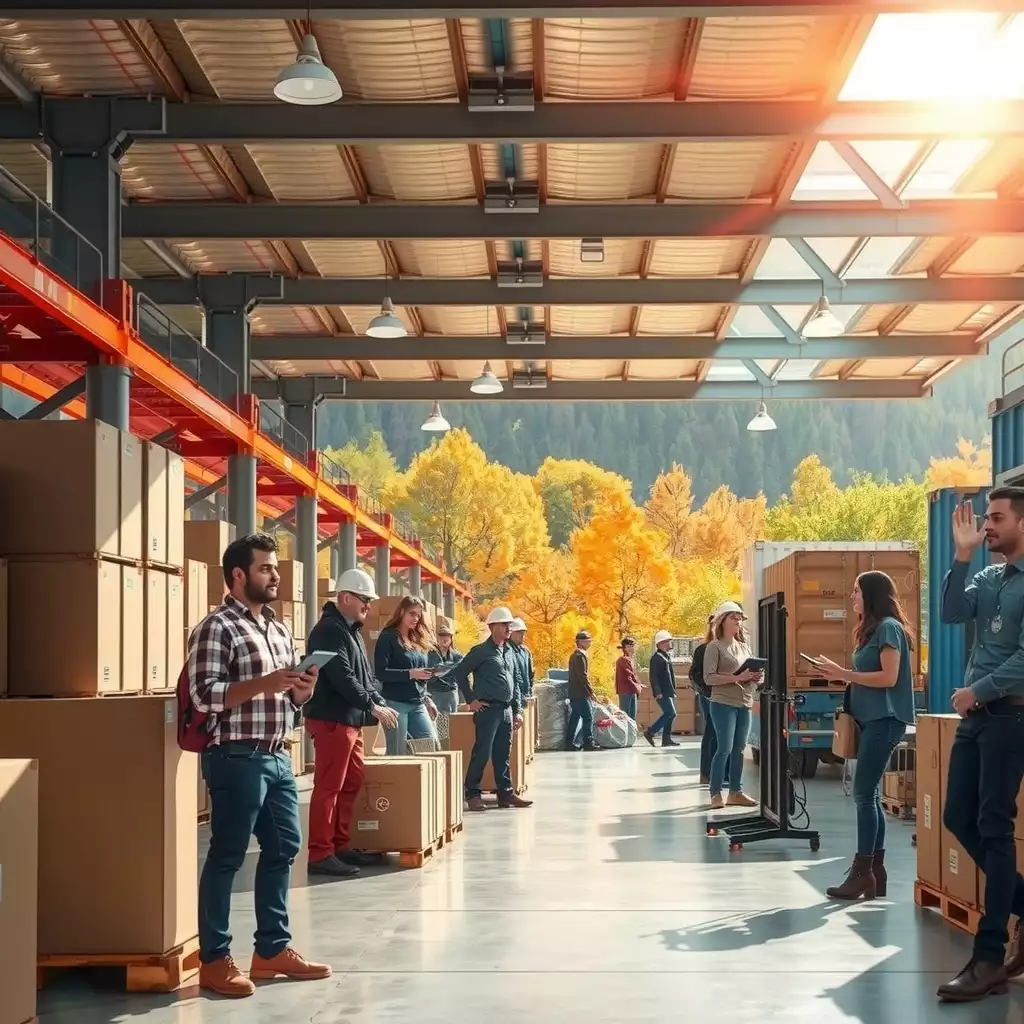
Logistics Staffing Strategies in West Virginia

Key Takeaways
- West Virginia’s location enhances logistics operations, providing businesses quick access to key markets and helping them manage supply chains efficiently.
- This article presents staffing solutions and technologies that help logistics companies attract talent while addressing local workforce challenges.
- Community engagement strategies emphasize partnerships with schools and universities, creating a skilled labor force to meet the logistics industry’s needs.
Leveraging West Virginia's Strategic Location
West Virginia’s location is a significant advantage for logistics companies. Positioned along major highways and railroads, the state provides quick access to key markets in the Northeast and Midwest. This strategic location facilitates the movement of goods and connects businesses to regional airports offering air freight services, enhancing supply chain efficiency. By utilizing these routes, companies can reduce transit times and gain a competitive edge.
West Virginia is experiencing growth in e-commerce and manufacturing, both reliant on strong logistics capabilities. As demand for skilled workers increases, employers can develop local talent through workforce programs linked with educational institutions. Partnering with community colleges allows businesses to create pathways that ensure a qualified workforce ready to address logistical challenges.
Local firms must also tackle recruitment issues stemming from high turnover rates due to competition from neighboring states. Companies need compelling narratives about career advancement opportunities to attract top candidates. Engaging employees through mentorship programs or leadership training can build loyalty while developing home-grown talent essential for maintaining operational efficiency during busy seasons.
Leveraging West Virginia’s logistical strengths involves more than geographic advantages; it requires fostering an adaptable environment amidst changing market conditions. Implementing flexible staffing solutions helps businesses respond effectively to sudden demand spikes without sacrificing service quality or overspending during quieter periods. Embracing these strategies ensures local players remain agile enough to thrive amid rapidly developing economic landscapes driven by technological advancements and shifting consumer expectations.
Understanding the Logistics Industry Landscape
West Virginia logistics scene is closely tied to its transportation system and changing economic industries. The state’s location along major highways and railroads allows businesses to reach national markets and local customers easily. This connectivity facilitates efficient goods movement and encourages cooperation among industries that depend on logistics support. With the growth of online shopping, demand for fast delivery services is rising, prompting logistics companies to rethink their strategies.
Building partnerships with schools is crucial for addressing workforce challenges in the sector. Collaborative programs between educational institutions and employers prepare future workers with skills tailored for logistics jobs, including technical abilities and essential soft skills like teamwork. As competition increases due to neighboring states offering attractive job opportunities, companies must enhance their appeal by providing competitive pay and clear career advancement paths. By focusing on employee satisfaction and innovative hiring practices, organizations can thrive in West Virginia’s logistics market while developing a dedicated workforce ready for future challenges.
The Pros & Cons of Workforce Development Initiatives
Pros
-
Working with schools helps improve the skills of workers.
-
Customized training programs meet specific logistics requirements efficiently.
-
More entry-level job opportunities get students ready for careers in logistics.
-
Getting involved in the community builds local support and raises brand awareness.
Cons
-
High turnover rates can make training programs less effective.
-
Few chances for career growth can push talented employees to leave.
-
Changes in demand throughout the year can make it tough to plan for staffing needs.
-
Limited funding can hold back the creation of well-rounded training programs.
Collaborations for Skill Enhancement
Working with schools is crucial for improving skills in West Virginia’s logistics industry. When companies collaborate with community colleges and vocational schools, they can create targeted training programs that address specific needs. This helps close the skills gap and provides a steady stream of qualified candidates ready to meet industry demands. These partnerships also give students valuable hands-on experience through internships or apprenticeships, allowing them to apply classroom knowledge to real-world situations.
Forming connections with local businesses and non-profits boosts workforce development by combining resources and expertise. These collaborations help logistics companies connect with networks focused on job readiness while supporting underrepresented groups seeking jobs in this field. By prioritizing inclusivity, employers build a diverse talent pool that fosters innovation and strengthens operations during changing market conditions.
Beyond technical skills, developing soft skills through joint workshops enhances teamwork, an essential aspect of success in logistics roles. Skills like communication, problem-solving, and adaptability are highly valued by employers; integrating these into training empowers graduates beyond technical know-how. Regular feedback between educators and industry leaders keeps programs updated and relevant as supply chain management evolves.
Using technology within collaborative efforts also benefits current employees, providing access to online platforms designed to help them gain new skills that address today’s logistical challenges. This dual approach of attracting new talent while enhancing existing staff capabilities positions West Virginia’s logistics companies at the forefront as they face future uncertainties.
Addressing Talent Attraction Difficulties
Attracting top talent in West Virginia’s logistics sector requires a smart approach that addresses local job market challenges. Companies need to share compelling stories about their work environments, focusing on growth and career advancement opportunities. Showcasing employee success stories can motivate potential hires to envision long-term careers with these organizations. Offering competitive salaries and strong benefits is crucial to attract candidates and retain them against neighboring states’ offers.
Creative recruitment strategies are key to overcoming talent attraction obstacles. Advanced tools like applicant tracking systems can streamline hiring and enhance the candidate experience. Building partnerships with local schools allows businesses to connect directly with new talent and create relevant training programs. By providing internships or collaborating with educational institutions, logistics companies can bring in skilled workers ready to contribute, essential for staying efficient and competitive in a changing field.
Optimizing Workforce for West Virginia Logistics
| Strategy/Focus Area | Key Insights | Challenges Faced | Opportunities Available | Recommendations for Improvement | Examples of Implementation |
|---|---|---|---|---|---|
| Workforce Development Initiatives | Collaboration with educational institutions for skilled workforce development | High turnover rates due to competitive job offers | Increased demand for skilled labor in logistics | Enhance training programs with local institutions | VA Acquisition Academy, community college courses |
| Recruitment Challenges | Difficulties attracting talent due to limited career advancement perceptions | Seasonal fluctuations necessitate flexible staffing solutions | Growing sectors like technology and e-commerce | Promote career advancement opportunities within organizations | Mentorship programs for high-potential employees |
| Technological Integration | Adoption of digital tools and data analytics for recruitment and training | Need for upskilling current employees | Streamlined hiring practices through technology | Leverage technology for recruitment using AI-driven systems | Adecco’s Aspire Academy |
| Diversity and Inclusion Efforts | Importance of diversity as a driver for innovation | Limited candidate pool from diverse backgrounds | Inclusive hiring practices can attract broader candidates | Strengthen community engagement initiatives | Partnerships with non-profits focused on veteran employment |
| Temporary Staffing Solutions | Utilizing temporary agencies for quick workforce adaptation | Long-term commitments may deter flexibility | Customized staffing solutions during peak seasons | Implement flexible work arrangements where feasible | Use of temporary staffing agencies |
| Focus on Employee Retention | Competitive compensation and benefits enhance employee satisfaction | Creating a positive workplace culture is challenging | Improved retention through enhanced workplace well-being | Monitor industry trends regularly for sustained competitiveness | Offering health insurance and professional development opportunities |
Embracing Digital Tools in Staffing
In the fast-changing world of logistics, digital tools are essential for effective staff management. Companies in West Virginia are adopting technologies like applicant tracking systems and AI-powered recruitment platforms to streamline hiring processes. These tools help quickly find qualified candidates while enhancing the experience for everyone involved. By using data analytics, companies can identify skill gaps and create targeted training programs, ensuring new hires possess both technical and essential soft skills for teamwork.
Many businesses focus on upskilling current employees through online learning platforms, allowing workers to adapt to changing demands and fostering a culture of ongoing improvement. Digital collaboration tools enhance communication among team members, facilitating cooperation during busy times or unexpected challenges. Investing in employee development boosts retention rates and aligns with West Virginia’s goal of cultivating a skilled workforce ready for modern logistics complexities.
Companies increasingly turn to social media and job search engines for outreach; these channels connect them with potential talent beyond traditional methods. Engaging content that highlights workplace culture and career growth opportunities attracts diverse candidates who resonate with inclusive company values. This approach helps local businesses stand out from competitors in neighboring states vying for top talent, a critical advantage in today’s labor market.
By integrating innovative staffing solutions, companies foster an environment where flexibility thrives amid fluctuating demand cycles typical in logistics operations. As businesses embrace digital transformation in hiring, they promote adaptability, not only responding efficiently during peak seasons but also preparing proactively for growth driven by technological advancements and customer expectations. Embracing these changes equips West Virginia’s logistics firms with frameworks capable of achieving long-term success despite developing industry dynamics.
Fostering Innovation Through Diverse Teams
Diversity in teams sparks innovation in West Virginia’s logistics sector. When companies bring together people from different backgrounds, they gain a variety of perspectives that boost creativity. This leads to better problem-solving and quicker responses to market changes. By hiring inclusively, organizations improve teamwork and empower employees to share unique ideas that enhance operations.
When diverse voices participate in decision-making, the chances of finding innovative solutions increase. This helps businesses adapt as the field evolves.
Working with varied teams encourages knowledge sharing and skill blending essential for tackling complex logistical challenges. Combining expertise from traditional industries like coal mining with newer fields like technology can lead to fresh approaches tailored to local needs. Companies thrive when all team members feel valued; this sense of belonging increases engagement and lowers turnover rates, important for stability during workforce shifts.
Investing in diversity reflects strong corporate values and attracts top talent seeking inclusive workplaces. Organizations committed to building diverse teams demonstrate their ability to compete effectively and succeed sustainably within West Virginia’s logistics environment. By embracing these strategies, firms position themselves at the forefront of industry advancements, ready to meet immediate customer needs and long-term growth goals rooted in diverse viewpoints.
Unveiling West Virginia's Logistics Staffing Secrets
-
West Virginia has a prime location for transportation, where major routes converge. This helps logistics companies grow and attracts skilled workers from nearby states.
-
There are myths about finding qualified logistics workers in West Virginia, but local universities and technical schools train graduates in supply chain management and logistics.
-
The state’s workforce programs aim to improve current employees' skills, ensuring logistics staff know the latest technologies and practices to boost efficiency.
-
A common myth is that logistics jobs here only involve warehouses; yet, there are many roles available like supply chain analysts, inventory managers, and transportation coordinators.
-
West Virginia's logistics sector receives support from the community as local governments and organizations create initiatives that encourage job growth and attract businesses, enriching the job market.
Building Alliances for Workforce Support
Building strong partnerships in West Virginia’s logistics sector is key to creating a skilled workforce. By teaming up with local schools and colleges, companies can develop training programs that teach students the specific skills needed for this fast-changing industry. These collaborations prepare graduates for jobs and connect them with businesses, ensuring a steady stream of qualified candidates entering the logistics field. Working with non-profit organizations focused on job development provides support and resources to underrepresented groups seeking work.
Listening to community feedback strengthens relationships and makes programs more relevant. Logistics companies gain insights from educators about current trends and the skills needed in future employees; this ongoing conversation keeps everyone aligned with market demands. Organizing joint events like job fairs or workshops allows potential hires to meet employers directly, building community ties and demonstrating commitment to local talent.
These strategic partnerships extend beyond education; collaborating with government agencies helps secure funding for workforce initiatives. This teamwork provides logistics firms access to grants or subsidies aimed at building skilled labor tailored to local needs. By pooling resources, organizations become better positioned to adapt quickly during economic changes while remaining competitive against other states.
Creating an environment that encourages collaboration improves recruitment strategies and supports employee retention across West Virginia’s logistics scene. By adopting inclusive hiring practices and mentorship programs that foster professional growth, businesses show their commitment to nurturing workplace cultures that attract and retain top talent.
Flexibility in Managing Workforce Demands
In the logistics industry, flexible workforce management is crucial for adapting to market changes. Companies increasingly use temporary staffing solutions to quickly adjust their labor force during busy periods or unexpected demand spikes. Partnering with specialized staffing agencies allows businesses to avoid overhiring while still accessing skilled employees when needed. This flexibility helps maintain service quality and reduces costs associated with a fixed workforce.
Advanced technology in recruitment enhances a company’s ability to respond to changing demands. With data analytics and AI tools, logistics companies can track real-time trends and skill needs effectively. They can identify gaps in their teams and offer targeted training, like workshops or online courses, to ensure employees have the necessary skills as conditions change. This approach fosters an agile workplace where staff feel empowered to tackle immediate challenges and future growth.
Encouraging hybrid work arrangements significantly increases workforce flexibility in this industry. As remote work becomes more appealing among job seekers, companies that adjust traditional roles will stand out against competitors in West Virginia’s tight labor market. These policies boost employee satisfaction and widen candidate pools, allowing employers to meet changing demands and attract diverse talent who might hesitate due to location issues.
Building a culture that embraces change is key for thriving amid shifts in today’s logistics field throughout West Virginia’s economy. Innovative strategies combined with community engagement drive sustainable growth; staying aware of developing priorities is essential for organizations to remain strong amid unpredictable supply chain dynamics.
Strategies to Enhance Job Satisfaction
Creating a work environment that prioritizes job satisfaction in West Virginia’s logistics sector starts with understanding employee needs. Companies can boost morale by offering training programs focused on technical and soft skills, fostering personal growth. Promoting mentorship empowers staff to pursue career advancement while feeling valued.
Flexible work options also enhance job satisfaction for logistics workers. Many now prefer remote or hybrid setups, especially post-pandemic. Companies that adapt will attract top talent from diverse backgrounds. This flexibility allows employees more control over their schedules while maintaining productivity during busy periods.
Building a supportive workplace culture is essential; companies should regularly check in with staff through feedback sessions and open communication. Encouraging team members to share their thoughts fosters belonging and shows management values their input, which is crucial for retention in a competitive labor market.
Incorporating wellness initiatives into company policies benefits everyone: it boosts employee well-being and loyalty. From health benefits like mental health support to promoting work-life balance with designated time off, these efforts contribute to higher job satisfaction in this demanding industry.
Celebrating diversity and inclusion significantly impacts workplace happiness. When individuals see themselves represented in leadership roles and witness commitments to fair practices, they are more likely to stay engaged with employers who prioritize these values alongside organizational goals in West Virginia’s dynamic logistics field.
Navigating Labor Laws Effectively
For logistics companies in West Virginia, understanding labor laws is essential to building a strong workforce. Following federal and state regulations protects businesses from legal issues and builds trust with employees. Companies must keep up with changes in wage laws, safety rules, and anti-discrimination policies that affect hiring and worker treatment. Regular management training can help ensure compliance and improve workplace atmosphere.
Knowing labor laws allows organizations to access resources for workforce development. By partnering with local government agencies or schools that offer guidance on employment standards, businesses can adjust staffing strategies effectively. This proactive approach opens opportunities for funding through grants or subsidies aimed at enhancing employee skills, allowing companies to invest in talent acquisition without overextending their budgets. Staying informed about changing regulations helps logistics firms comply and thrive by fostering growth and innovation.
Future of Logistics Staffing
The future of logistics staffing in West Virginia is changing due to new technology and worker expectations. As businesses adopt digital tools for hiring, they will improve efficiency and enhance the candidate experience. Companies are using AI-driven platforms to identify skills gaps and create training programs that develop technical abilities and soft skills, enabling employees to collaborate effectively in fast-paced environments.
Creating a culture of adaptability is essential as logistics companies face shifting market demands. By adopting flexible staffing models, like temporary positions or hybrid work setups, organizations can quickly adjust to increased demand without sacrificing service quality or incurring unnecessary costs associated with permanent hires. This flexibility helps manage busy periods efficiently, giving them an advantage over competitors vying for top talent.
Partnerships between schools and local businesses are crucial for developing a workforce tailored to logistical needs. Skill-building programs will help close existing gaps by ensuring new professionals possess the right competencies upon entering the job market. These collaborations increase opportunities for internships and apprenticeships, providing hands-on experience that translates academic knowledge into practical skills essential for success in this industry.
Inclusivity is vital for effective staffing strategies; organizations that embrace diversity during hiring tend to innovate more than those relying on traditional methods. A diverse team brings varied perspectives, enhancing creativity and problem-solving, key during complex challenges faced by logistics providers in West Virginia’s economy.
Staying connected with community members, including potential job candidates, will help promote career growth opportunities within local companies. Highlighting employee success stories and offering competitive pay makes these organizations more appealing while helping retain current staff amid competition from nearby regions pursuing similar talent pools.
FAQ
What are the geographical advantages of West Virginia's logistics sector?
West Virginia’s logistics sector benefits from its location along transportation routes. This setup boosts efficiency and makes it easier to move goods to larger markets.
How do workforce development initiatives address staffing challenges in logistics?
Workforce development programs address staffing issues in logistics by uniting schools and businesses. They collaborate to create training courses that equip individuals with the skills needed for jobs in the industry.
What role does technology play in improving recruitment processes for logistics companies?
Technology boosts how logistics companies handle recruitment. It simplifies the hiring process with digital tools and data analysis, making it more efficient and helping to spot skill gaps.
How can companies enhance employee retention within the logistics industry?
Logistics companies retain employees by offering competitive pay, fostering a friendly work environment, and providing opportunities for growth and advancement.
What are some recommended strategies for promoting career advancement opportunities?
To help people grow in their careers, set clear career paths, create mentorship programs, and provide leadership training for those with potential.
How do regulatory considerations impact staffing strategies in West Virginia's logistics sector?
Regulatory factors shape staffing strategies in West Virginia’s logistics sector by requiring companies to follow federal labor laws. This compliance helps businesses avoid legal troubles and keeps their hiring practices competitive and effective.