
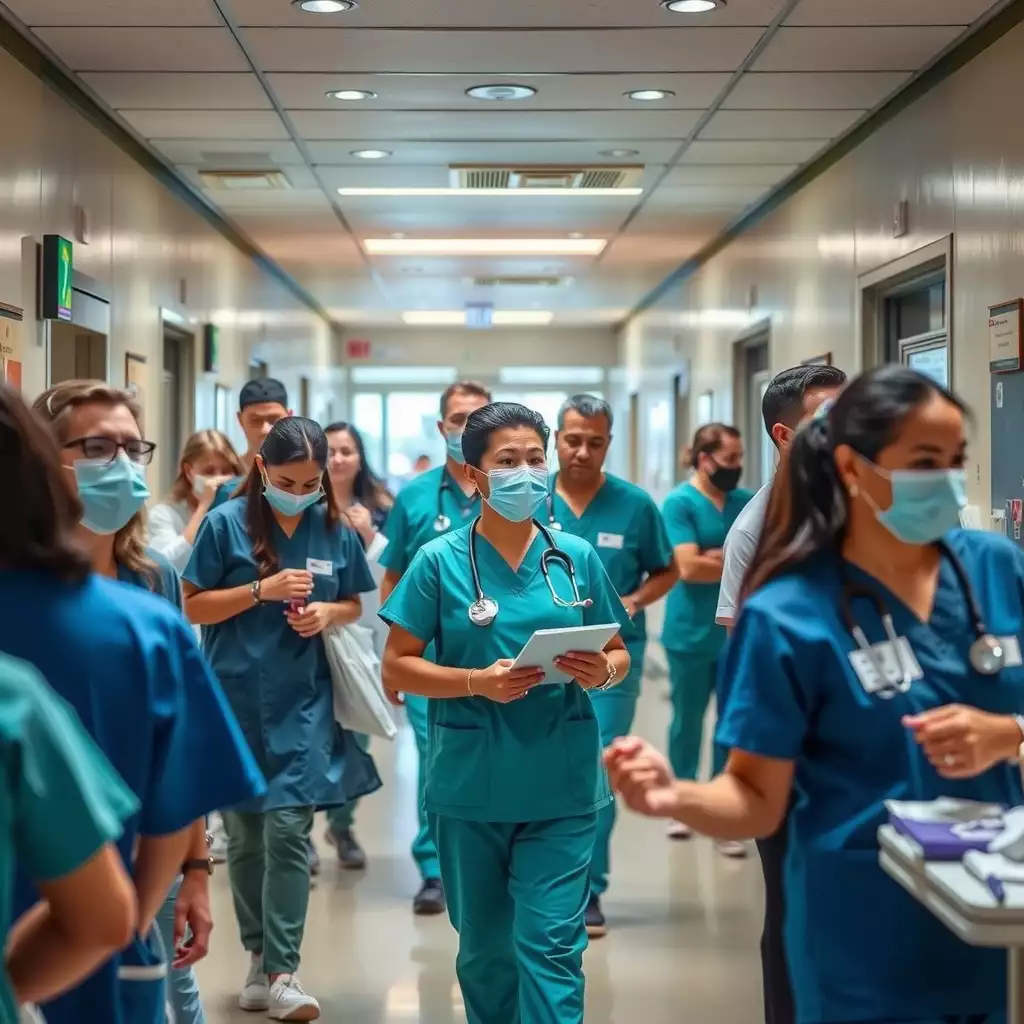
Leverage Healthcare Staffing Strength in Huntington WV

Key Takeaways
- Healthcare facilities in Huntington, WV are tapping into hiring hubs to improve staffing and patient care.
- This article highlights the benefits of partnerships between healthcare providers and schools like Marshall University, creating training opportunities that address staffing issues.
- By focusing on specialized training for challenges like addiction management, organizations can develop a workforce ready to meet community needs while boosting efficiency.
Marshall University’s Healthcare Management Curriculum.
Marshall University’s healthcare management program helps students gain essential skills to succeed in today’s fast-changing healthcare environment. The curriculum blends theory with practical experience, preparing future leaders to navigate complex settings like hospitals and clinics. With a focus on communication and organizational skills, graduates become competent managers ready to tackle challenges like staff shortages and operational issues.
As West Virginia’s healthcare sector grows, this program meets current educational needs while anticipating future trends, including complexities from public health crises like the opioid epidemic. By incorporating specialized training in addiction treatment and recovery, Marshall University prepares adaptable leaders who can effectively support diverse patient populations while ensuring high-quality care.
Career paths available allow students to explore roles ranging from administration in local health centers to managing entire hospitals, contributing significantly to community health outcomes. This flexibility ensures that graduates are well-equipped for opportunities that align with their goals and market demands across Huntington and beyond.
Investing in education at Marshall University benefits individual careers and strengthens regional capabilities, creating a network of qualified candidates ready to enhance healthcare services within their communities, turning challenges into collaborative solutions aimed at improving patient wellness.
Job Growth and Financial Benefits in the Field.
Healthcare management jobs are growing rapidly due to the high demand for skilled professionals in this developing field. Healthcare is one of the fastest-growing sectors, particularly in West Virginia. Facilities need strong leaders to address operational challenges and staff shortages. These positions offer attractive financial rewards; reports indicate that medical and health services managers earned an average salary of $100,980 in 2019. This salary highlights the importance of effective leadership and makes these careers appealing.
As organizations recognize the importance of effective staffing, leveraging local talent is essential for job creation and community growth. Graduates from programs like those at Marshall University possess skills tailored to industry needs while establishing connections with local healthcare providers. By collaborating with educational institutions and utilizing regional resources, healthcare facilities can cultivate a steady stream of qualified candidates ready to meet patient needs, benefiting operations and improving care quality in Huntington’s communities.
The Pros & Cons of Healthcare Management Education
Pros
-
Graduates gain vital skills in healthcare management, boosting their job prospects.
-
The program meets the strong need for skilled workers in a fast-growing field.
-
There are many career paths available, letting graduates choose based on what they enjoy and what the market needs.
-
Financial benefits are significant, offering competitive salaries and job security.
Cons
-
New graduates might feel overwhelmed by the complexity of today’s healthcare systems if they lack hands-on experience.
-
The high cost of education can discourage potential students from chasing degrees in healthcare management.
-
Graduates need to stay on their toes as ongoing changes in healthcare policies require constant adaptation.
-
The opioid epidemic creates extra challenges that demand specialized knowledge, which isn’t always included in standard courses.
Diverse Roles Available in Local Healthcare Settings.
In the healthcare scene of Huntington, WV, there are numerous job opportunities that match a range of skills and interests, including roles with local logistics companies Huntington. Roles in health centers focus on improving operations or overseeing entire hospitals. These jobs enhance patient care and strengthen community ties by creating local employment options. Organizations seek skilled professionals to tackle complex challenges, often turning to nearby schools like Marshall University for graduates with knowledge and hands-on experience.
Healthcare facilities can maximize this talent pool by recognizing what each role uniquely offers. Critical care nurses play a crucial part during emergencies; medical billing specialists manage finances; program coordinators create initiatives to enhance service delivery across departments. This diverse group significantly contributes to meeting local healthcare needs, ensuring smooth operations for better patient outcomes.
As new public health issues arise, like the ongoing opioid crisis, the demand for specialized training grows. Roles dedicated to addiction treatment or mental health counseling become essential and require committed individuals ready to address these challenges. By building educational partnerships that provide practical learning experiences around pressing topics, healthcare providers enhance their workforce’s capabilities while improving operations.
Using an innovative staffing strategy helps organizations in Huntington stay adaptable amid changing circumstances while consistently delivering high-quality care. Whether through mentorship programs connecting experienced workers with newcomers or targeted recruitment focusing on candidates eager to address specific regional issues, these approaches create fulfilling career paths within meaningful work environments where every employee plays a vital role in shaping healthier futures.
Navigating Complexity in the Evolving Healthcare Landscape.
As the healthcare world grows more complex, organizations must be flexible and plan to meet changing demands. Challenges like workforce shortages, new technology, and public health emergencies require strong leadership to address these issues. Local healthcare facilities face the challenge of providing excellent patient care while maintaining smooth operations. To achieve this, they must utilize local talent for sustainable staffing solutions.
Educational institutions like Marshall University play a crucial role in this process. They prepare future healthcare managers with essential skills for their careers. By focusing on practical applications alongside theory, graduates learn to handle immediate staffing needs and gain understanding into trends, like how substance use disorders affect service delivery models. This proactive mindset fosters professionals who adapt quickly to changes.
Collaboration is key; partnerships between educational programs and local health providers offer students internships that provide real-world experience while addressing community-specific needs. These collaborations enhance understanding of recruitment strategies and training tailored for today’s complex environment. As everyone works toward common goals, effective communication improves, benefiting patients through better care.
Innovative technologies can relieve pressure on busy healthcare staff. Telehealth options facilitate care for individuals with chronic conditions or those seeking addiction treatment remotely, a vital factor during public health challenges like the opioid crisis. Such strategies streamline operations and ensure continuity of care across diverse populations needing specialized support.
Tackling complexity requires dedication at every level, from schools preparing candidates for management roles to frontline workers offering compassionate support, each playing an important part in strengthening resilience against challenges in today’s medical field.
Maximizing Healthcare Talent in Huntington, WV
| Key Focus Area | Description | Importance | Proposed Strategy |
|---|---|---|---|
| Job Growth | Employment opportunities in healthcare management are rapidly increasing. | High demand for skilled professionals in the sector. | Enhance training programs to meet industry needs. |
| Financial Rewards | Roles in healthcare management offer substantial financial benefits. | Attracts individuals to pursue careers in this field. | Implement targeted recruitment initiatives highlighting rewards. |
| Diverse Career Opportunities | Graduates can find roles across various healthcare settings. | Flexibility in career choices based on personal interests. | Foster partnerships with local health facilities for internships. |
| Opioid Epidemic Context | The opioid crisis impacts staffing needs within healthcare facilities. | Urgent need for specialized knowledge in addiction treatment. | Develop training modules focused on addiction management. |
| Community Engagement Programs | Initiatives that educate communities about available resources and preventive measures. | Reduces strain on healthcare systems by addressing issues early. | Establish outreach programs to promote preventive measures. |
| Continuous Professional Development | Ongoing education for current staff about emerging trends in healthcare management. | Ensures staff remain knowledgeable and effective. | Encourage participation in continuous learning opportunities. |
| Data Utilization & Research Collaboration | Collaborate with research institutions for better staffing decisions based on data. | Informs staffing based on community needs rather than historical trends. | Engage in research collaborations for public health data. |
| Policy Advocacy | Advocate for funding that supports educational programs in healthcare management. | Prepares future leaders to tackle public health crises effectively. | Engage with policymakers to secure necessary resources. |
Staffing Needs Driven by Addiction Treatment Demands.
The opioid crisis has increased the need for more staff in healthcare facilities across Huntington, WV. With many struggling with substance use disorders, healthcare organizations urgently require professionals skilled in addiction treatment who can effectively connect with patients. This demand underscores the importance of specialized training programs that prepare staff to address addiction-related challenges. By incorporating these educational elements into existing programs, like those at Marshall University, healthcare providers can ensure their teams are ready to support this vulnerable group.
As local health systems face these challenges, collaboration between schools and healthcare providers is essential. Partnerships that offer internship opportunities allow students to gain practical experience while addressing staffing shortages in addiction services. Ongoing professional development keeps current employees updated on best practices for managing substance abuse cases and adjusting care strategies. These efforts boost operational efficiency and improve patient outcomes by providing tailored support for those dealing with addiction, a key element in enhancing community health during public health crises.
Effective Approaches to Enhance Staffing Capabilities.
Healthcare facilities in Huntington can enhance staffing by implementing targeted training programs that address local healthcare challenges. By creating specialized courses on addiction management and recovery, organizations prepare staff to meet patients’ specific needs effectively. This strategy equips employees with essential skills and fosters a culture of ongoing learning, crucial for navigating today’s complex healthcare environment.
Partnerships between schools like Marshall University and local health providers are vital for improving recruitment. Offering internships allows students to gain hands-on experience while helping fill staffing gaps in facilities facing high demand due to public health crises, like substance use disorders. These collaborations enhance understanding of industry needs and empower future leaders.
To improve operations, healthcare organizations should adopt technology-driven solutions that enhance service delivery without overwhelming staff. Telehealth services provide an innovative way for patients with chronic conditions or those seeking support for addiction treatment from home. These virtual options ensure continuity of care across different populations, a vital factor given today’s public health challenges.
Engaging with the community is essential as healthcare entities strengthen their foundations while addressing broader social factors affecting patient wellness. Outreach initiatives aimed at educating residents about available resources can serve as preventive measures against crises that may lead to emergency situations requiring extensive medical intervention, ultimately benefiting both patients and the healthcare system by building resilience against external pressures.
Unveiling Myths and Facts About Healthcare Staffing
-
Many think healthcare staffing agencies offer only temporary workers, but they also help facilities find permanent employees.
-
Some believe hiring a staffing agency costs healthcare providers more money. In reality, these agencies can cut costs by streamlining the hiring process and reducing turnover rates.
-
Some worry that staffing agencies don’t check candidates closely enough. Reliable agencies perform thorough background checks and verify credentials to ensure healthcare professionals meet industry standards.
-
There's a belief that only large hospitals benefit from healthcare staffing services, but smaller clinics in Huntington, WV also use them to fill staff shortages.
-
People often assume staffing agencies are for nurses and doctors, but they also provide solutions for allied health professionals, administrative staff, and other essential roles in healthcare organizations.
Partnerships Between Education and Local Health Facilities.
Collaboration between schools and local healthcare facilities is crucial for meeting staffing needs in Huntington, WV. Internship programs that provide hands-on experience in clinical environments allow students at institutions like Marshall University to apply classroom knowledge effectively. These partnerships help students transition smoothly from school to work and prepare them for the challenges of local health systems, particularly those intensified by public health issues like the opioid crisis.
Incorporating specialized training on addiction treatment into existing courses promotes professional growth among new and current staff members. This strategy creates a skilled workforce capable of handling complex patient care situations while maintaining high service standards. As these collaborations strengthen, they foster communication between educators and healthcare providers, aligning curricula with industry needs and ensuring everyone contributes to community wellness.
These alliances can boost efficiency across healthcare organizations by blending innovative technologies with traditional methods. Telehealth options facilitate access to care for patients needing chronic condition management or addiction treatment without overwhelming on-site resources, a vital factor given the increasing demand driven by substance use disorders. This teamwork enhances educational programs and strengthens local health services while building resilience against future challenges in Huntington’s healthcare field.
Leveraging Local Talent for Healthcare Success.
Bringing local talent into the healthcare scene in Huntington, WV, is key to its success. By supporting educational programs at Marshall University, healthcare facilities can create a workforce that understands patient care and the unique challenges our communities face. Graduates with degrees in Health Care Management can fill immediate job openings and address public health issues like substance use disorders. This connection between education and community needs fosters an environment where skilled professionals are prepared to handle real-life challenges.
When schools and healthcare providers collaborate, they enhance recruitment efforts and offer students valuable hands-on experiences through internships. These partnerships bridge the gap between classroom learning and real-world application. Graduates are ready for various roles, from administrative tasks to leadership positions overseeing facilities. By effectively utilizing local talent, organizations build strong teams that adapt to changing demands while enhancing patient care. This effort supports regional health initiatives and strengthens community connections throughout Huntington.
FAQ
What are the key skills that graduates of the Health Care Management program at Marshall University acquire?
Graduates of the Health Care Management program at Marshall University develop strong communication skills. They learn effective health management strategies and understand the challenges of providing healthcare services.
How does the opioid epidemic impact staffing needs in healthcare facilities in Huntington, WV?
The opioid crisis is increasing the demand for more staff in healthcare facilities in Huntington, WV. This situation strains resources and raises the number of patients needing addiction treatment and management.
What strategies can be implemented to enhance healthcare staffing solutions in the local community?
To improve healthcare staffing, stakeholders are creating training programs, building partnerships between schools and health facilities, and advocating for policy changes that promote workforce development.
What career opportunities are available for graduates of the Health Care Management program?
Graduates of the Health Care Management program can pursue various career paths. They can take on administrative and managerial roles at health facilities in West Virginia and nearby areas.
How does collaboration between educational institutions and local health facilities benefit staffing challenges?
Educational institutions partnering with local health facilities address staffing issues by offering internships. These opportunities provide students hands-on experience while helping to fill roles in the healthcare system.