
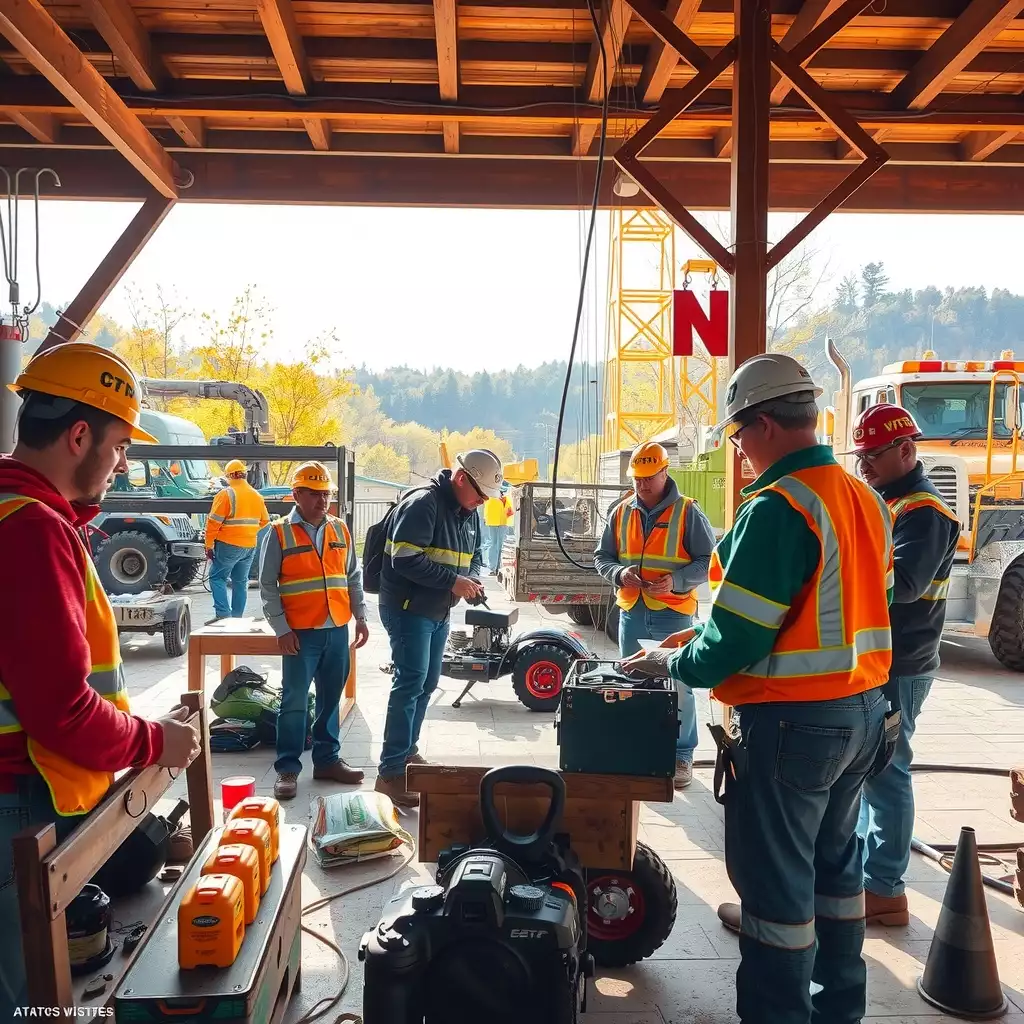
Use Temp to Hire for West Virginia Trade Roles

Key Takeaways
- In West Virginia, employers use temp-to-hire setups to manage project needs. This approach allows them to evaluate candidates’ skills without long-term commitment.
- Job seekers are turning to temporary jobs in trades for quick cash and opportunities to build skills and network, potentially leading to full-time employment.
- This article shares stories from local businesses and tradespeople, showing how flexible staffing options help the community grow and strengthen the workforce in West Virginia.
Analyzing West Virginia's Job Landscape
West Virginia’s job market is a mix of opportunities and challenges, especially in the trades. Industries like construction and manufacturing are experiencing changes in demand, leading to the popularity of temp-to-hire options. These arrangements allow employers to evaluate candidates before making long-term commitments, helping them find skilled workers with reduced risks associated with permanent hires. This flexibility enables companies to meet project needs while adapting to economic fluctuations.
For job seekers, this developing field offers significant growth opportunities. Many appreciate temporary jobs for the chance to experience different work environments and develop valuable skills. The rise in temp positions suits those who prefer adaptability over fixed schedules, creating networking opportunities within local communities that can lead to permanent jobs. Both employers and potential employees find themselves at an exciting juncture where strategic staffing meets personal goals, positively impacting West Virginia’s economy.
Why Businesses Choose Temp-to-hire Options
Temp-to-hire options are becoming popular among businesses in West Virginia because they allow companies to evaluate potential employees without a long-term commitment. This setup helps employers assess candidates’ technical skills and their fit within teams. By using this approach, businesses can adapt to changes in workforce needs while reducing hiring risks, crucial in today’s unpredictable economy where project demands can shift quickly.
For employers and job seekers, temp-to-hire arrangements offer valuable opportunities. Companies access a range of skilled workers eager to demonstrate their abilities, while job seekers can prove their worth on the job. These temporary positions help workers develop specific skills that meet industry demands and may lead to permanent roles with organizations that recognize their value during the trial period.
This staffing method is particularly useful in industries like construction and manufacturing jobs West Virginia, where seasonal demand affects hiring practices. Quickly adjusting staff levels keeps projects running smoothly without overspending on overstaffing or lengthy recruitment processes for full-time roles. Temp-to-hire serves as an effective strategy for companies seeking efficiency while providing tradespeople with more stable work options amid changing job markets.
Overall, adopting temp-to-hire solutions demonstrates strategic planning in addressing today’s labor market challenges and strengthens community connections by developing local talent, a win-win situation that enhances workforce stability across key sectors in West Virginia.
The Pros & Cons of Temp-to-Hire Strategies
Pros
-
Employers lower hiring risks by checking out candidates before making full-time offers.
-
Businesses can easily adjust their workforce based on what they need at any given time.
-
Temporary workers add a variety of experiences and skills to the team.
-
Companies save money by investing in candidates who show promise during a trial period.
-
Local resources, like WorkForce West Virginia, help match job seekers with employers effectively.
Cons
-
It can be tough to find candidates with the right trade skills because their abilities don’t always match what’s needed.
-
Many candidates view temporary jobs as less appealing than full-time positions.
-
Keeping employees after they move from temp to permanent roles can be tricky.
-
Even with improvements, onboarding processes might still experience delays.
-
Changes in the market can affect how many suitable temporary jobs are available.
Support Services for Employers and Job Seekers
Employers in West Virginia can enhance their temp-to-hire strategies with the right support services. Organizations like WorkForce West Virginia provide resources that link businesses to skilled workers actively seeking jobs. This partnership simplifies recruitment and offers training programs tailored to industry needs, helping employers find qualified and adaptable candidates.
For job seekers exploring temporary work, these services open doors to fulfilling careers in trades. Workforce development initiatives provide access to skills training and networking events that connect individuals with local industries. By engaging with organizations focused on their growth, job seekers gain insights into potential career paths while improving their employability through targeted skill-building opportunities.
When employers collaborate with service providers, they create a vibrant economic environment where everyone benefits. Employers can share feedback on candidate performance during temp assignments, improving future hiring efforts, while job seekers receive guidance to become better fits for permanent positions. This relationship strengthens community ties as local talent is nurtured and retained within West Virginia’s workforce.
By utilizing available support services, like funding for training or expert advice on labor market trends, employers position themselves well during uncertain times while empowering workers striving for stability in trade roles. This collaborative approach lays the foundation for ongoing success across various sectors of the state’s economy.
Addressing Common Obstacles for Employers
Employers face challenges when considering temp-to-hire options for trade jobs. Many skilled tradespeople view temporary positions as unstable, deterring them from applying. Businesses must clearly communicate the potential for permanent employment and highlight how trial periods allow candidates to showcase their skills.
Geographic challenges and skill mismatches also exist. Companies can address these by proactively reaching out to local vocational schools and using targeted advertising to find suitable candidates.
Once a candidate completes their temp period, retaining them becomes another challenge. Employers should create an engaging work environment that fosters loyalty. By outlining clear advancement paths during the temp phase, workers can envision a future with the company. Being transparent about expectations throughout the hiring process builds trust and enhances the candidate experience, crucial factors in attracting top talent in today’s competitive job market.
Fluctuating project demands complicate workforce planning; employers must develop flexible strategies to adjust staffing levels based on immediate needs without sacrificing quality or productivity. Building strong relationships with staffing agencies helps organizations access qualified candidates while gaining insights into market trends to support smarter workforce management.
By addressing these obstacles through creative recruitment methods and enhancing employee engagement tailored for trade roles, companies can effectively leverage temp-to-hire solutions while positively impacting West Virginia’s economy.
Unlocking Talent: Temp-to-Hire in WV Trades
| Aspect | Details | Benefits | Challenges | Recommendations |
|---|---|---|---|---|
| Unemployment Rate | A critical factor influencing hiring decisions in West Virginia. | Reduced hiring risks | Candidate availability | Enhance recruitment strategies |
| Job Seekers | Diverse pool across construction, manufacturing, and skilled trades. | Flexibility | Perception issues | Improve candidate experience |
| Skill Development | Temporary workers can enhance team capabilities with varied experiences. | Cost efficiency | Retention concerns | Focus on employee engagement |
| WorkForce WV Services | Offers tailored services connecting skilled workers with businesses. | Specialized support for job seekers | Skill mismatches | Leverage workforce development programs |
| Veteran Support | Veterans receive priority service aligning their skills with trade roles. | Supports unique skill sets of veterans | Geographical constraints | Monitor labor market trends regularly |
| Local Office Accessibility | Numerous offices throughout the state providing personalized assistance. | Streamlines the hiring process | Limited interest in temp positions | Create an inclusive workplace culture |
| Recruitment Strategies | Use multiple channels to reach candidates actively seeking temp-to-hire opportunities. | Increases candidate reach | Shortage of new entrants | Offer upskilling opportunities |
| Onboarding Processes | Streamline onboarding using digital tools for quick integration into teams. | Enhances candidate experience | Difficulty retaining employees post-transition | Implement feedback mechanisms |
| Employee Engagement | Foster an engaging work environment for all employees. | Improves retention rates | Potential disengagement from temporary staff | Provide clear communication during temp period |
| Labor Market Trends | Stay informed about shifts in labor market dynamics through reports. | Helps adapt strategies | Fluctuating economic conditions | Collaborate with educational institutions |
Understanding the Local Job Market Data
West Virginia’s job market offers opportunities for both employers and job seekers, particularly in the trade sector. The unemployment rate fluctuates, impacting hiring practices. As construction and manufacturing adjust to changing demands, temp-to-hire positions have become a viable option for businesses. These arrangements allow employers to evaluate potential employees before making long-term commitments while filling immediate staffing gaps.
For job seekers, especially in skilled trades, the current market is promising. Many are attracted to temporary jobs as they provide meaningful work and can lead to permanent roles. This trend indicates that workers recognize that adaptability can enhance career growth and stability within communities. By utilizing resources like WorkForce West Virginia, employers and job seekers can improve their prospects: companies find qualified candidates eager for real-world experience, while applicants gain exposure that may help them secure stable jobs in a dynamic industry field.
Reaching Skilled Trade Candidates Successfully
To attract skilled trade candidates effectively, employers need a diverse recruitment strategy that addresses their specific needs and goals. They can reach potential hires through job boards, community events, and social media to promote temp-to-hire opportunities. By highlighting the benefits of temporary roles, like gaining skills and networking, businesses can attract individuals who may have dismissed these jobs due to misconceptions about job stability. Partnering with vocational training centers allows companies to connect directly with eager talent seeking hands-on experience.
To engage skilled tradespeople, it is vital for employers to be transparent throughout the hiring process. Clear communication about expectations during the trial period builds trust and helps candidates envision themselves as long-term team members. Establishing feedback systems where temporary workers can share experiences fosters an inclusive environment where everyone feels valued. This smooths transitions from temp positions and boosts retention rates when candidates are offered permanent roles, ultimately benefiting West Virginia’s economy by empowering local talent.
West Virginia Trade Roles: Myths and Facts Unveiled
-
Many people think trade jobs in West Virginia are only about coal mining and timber. The state actually has a variety of trades, including advanced manufacturing, healthcare, and technology, such as welders West Virginia.
-
Some believe trade jobs don’t pay well; yet, skilled workers in West Virginia often earn salaries that match or exceed those in many four-year degree careers, especially as they gain experience and specialize.
-
Some think you only need minimal education for trade roles; in reality, many positions require certifications, apprenticeships, or specialized training programs to build important skills and knowledge.
-
It's believed that trade jobs are mostly for men; yet, more women in West Virginia are entering fields like welding, electrical work, and plumbing, breaking stereotypes and creating new opportunities.
-
Many assume temp-to-hire arrangements hurt job security; yet, these setups can be effective ways for both employers and employees to determine if they're a good match before committing to long-term employment.
Improving Onboarding and Communication
Onboarding and communication are crucial for effective temp-to-hire strategies. Using digital tools to streamline onboarding helps new hires become productive team members faster. Clear communication from the start sets expectations and ensures temporary employees understand their roles and pathways to permanent positions. Regular check-ins engage them, build team relationships, and provide feedback opportunities during this trial period.
Structured training programs are essential for developing skills that meet industry needs. Thorough orientation sessions and ongoing support equip candidates with important skills and demonstrate care for their growth. This builds trust and encourages loyalty among workers who may view temporary jobs as less stable. Creating advancement opportunities early helps individuals envision career paths within your organization, ultimately boosting retention rates when transitioning from temp to full-time employment.
Platforms like WorkForce West Virginia enhance communication between employers and job seekers by providing resources that facilitate smoother interactions throughout the hiring process. Local workforce development initiatives focused on personalized assistance ease transitions into trades while strengthening community connections across various sectors in West Virginia’s economy.
Creating a Positive Work Environment
Creating a positive work environment is key to making temp-to-hire roles in trades successful. When employers focus on inclusivity and support, they create a space where temporary workers feel appreciated and eager to contribute. Keeping communication open is vital; by regularly checking in with staff through feedback sessions or casual chats, companies can quickly address concerns while showing they care about employee well-being. This proactive approach boosts morale and encourages teamwork as people from different backgrounds work together towards shared goals.
Providing opportunities for skill development during the temporary phase allows tradespeople to invest in their careers. By offering training programs tailored to industry needs, candidates can improve their skills while demonstrating that the employer is committed to growing local talent. Clear paths for advancement, like mentorship programs or structured performance reviews, show that organizations see potential beyond immediate results and are willing to support employees’ long-term growth.
Celebrating achievements at work builds camaraderie among team members, regardless of employment status. Recognizing milestones reached by both permanent staff and temporary hires fosters unity and motivates everyone involved, leading to increased engagement across all roles within the organization. Such recognition changes negative views about temp positions into something more positive; individuals begin to see these jobs as stepping stones rather than placeholders until full-time offers arise.
When businesses adopt practices that foster a supportive culture throughout every stage, from onboarding to ongoing employment, they set themselves apart from competitors seeking top talent amid today’s changing economic field in West Virginia’s job market.
Leveraging Training Resources for Success
Using training resources wisely can boost the success of temp-to-hire jobs in West Virginia’s trade industries. When employers partner with WorkForce West Virginia, they access customized training programs that meet industry needs. These programs help temporary workers gain valuable skills and promote a culture of ongoing learning. Investing in employee development makes tradespeople feel appreciated and ready to contribute, leading to better job performance and higher chances of securing permanent positions.
For job seekers in temp roles, utilizing available training opportunities can lead to long-term success. Participating in skill-building workshops or certification programs during their temp time allows individuals to demonstrate their abilities while expanding their professional networks. This exposure increases employability and provides insights into potential career paths that align with regional workforce needs. By following this approach, West Virginia strengthens its labor market, where employers find qualified talent ready to work, and workers discover pathways toward lasting employment growth.
Staying Updated on Hiring Trends
In West Virginia’s changing job market, both employers and job seekers must stay updated on hiring trends. Temp-to-hire jobs depend on unemployment rates and industry needs. As construction and manufacturing jobs fluctuate, businesses must adjust how they attract skilled workers and create paths to permanent positions (reduce turnover in factories). By checking resources like WorkForce West Virginia, companies can enhance recruitment strategies based on current candidate availability and in-demand skills.
For job seekers, understanding the latest trends helps them stand out. Knowing which skills are in demand or which industries are growing allows candidates to tailor their applications, increasing their chances of landing a position quickly and building future career opportunities. Participating in local training programs provides understanding into relevant skills that match employer needs, making candidates more appealing during interviews.
Open communication between employers and potential employees is key to clarifying the temp-to-hire process. Employers should share updates about hiring practices and welcome feedback from workers about their trial experiences. This exchange fosters trust through openness and teamwork. Companies that monitor workforce changes will be better prepared to fill staffing needs and cultivate talent for long-term success as economic conditions shift.
By utilizing community resources like workshops and networking events for trade professionals, everyone contributes to strengthening West Virginia’s workforce ecosystem. This collaboration connects businesses with qualified individuals ready to make immediate contributions and motivated workers seeking personal growth through meaningful work experiences aligned with regional needs.
Summary of Temp-to-hire Benefits in Trades
Temp-to-hire setups are a smart choice for companies and job seekers in West Virginia’s trade industries. This approach allows businesses to test candidates before committing to long-term hires, reducing hiring risks and ensuring they find the right people. It’s especially useful in construction and manufacturing, where demand can change quickly. Companies can adjust their workforce based on project needs without incurring extra costs.
Job seekers benefit from temp-to-hire positions as well. These jobs allow you to demonstrate your skills while exploring different workplaces. You can learn new abilities that enhance your resume and connect with local professionals who may lead to permanent job opportunities. These temporary roles serve as stepping stones toward stable careers.
Organizations like WorkForce West Virginia link skilled workers with employers seeking flexible staffing. They provide resources to improve recruitment efforts and offer training programs that align with industry needs. This collaboration benefits both sides, companies access eager talent while workers find paths to career growth through skill development.
Temp-to-hire arrangements help build stronger communities by creating local talent suited for regional economic demands. When businesses develop relationships with temporary employees during trial periods, through mentoring or feedback, they create environments where individuals feel valued and motivated. This win-win relationship enhances West Virginia’s overall job market.
FAQ
What are the main advantages of using temp-to-hire arrangements for trade roles in West Virginia?
Temp-to-hire arrangements for trade roles in West Virginia lower hiring risks, provide flexibility in workforce management, enhance skill development, and save money.
How does the current labor market in West Virginia affect hiring decisions for skilled tradespeople?
The job market in West Virginia affects how you hire skilled tradespeople. Be flexible and evaluate candidates thoroughly because unemployment rates can change, and there are various types of job seekers.
What strategies can employers implement to improve their recruitment processes for temporary positions?
Improve your hiring process for temporary jobs by using various methods to find candidates, partnering with local schools and colleges, simplifying onboarding, and enhancing employee satisfaction.
Why might some job seekers perceive temp positions as less desirable compared to full-time roles?
Temp jobs may seem less appealing than full-time positions since they typically lack the stability, benefits, or long-term security of permanent roles.
How can businesses enhance employee engagement among temporary workers to improve retention rates?
Boost employee engagement among temporary workers by creating a welcoming workplace culture that appreciates their efforts. Set up ways for them to share feedback to understand their experiences and ideas better.
What resources does WorkForce West Virginia provide to support employers and job seekers in the temp-to-hire process?
WorkForce West Virginia connects skilled workers with businesses. They prioritize support for veterans and have local offices that simplify the hiring process for employers and job seekers seeking temp-to-hire positions.