
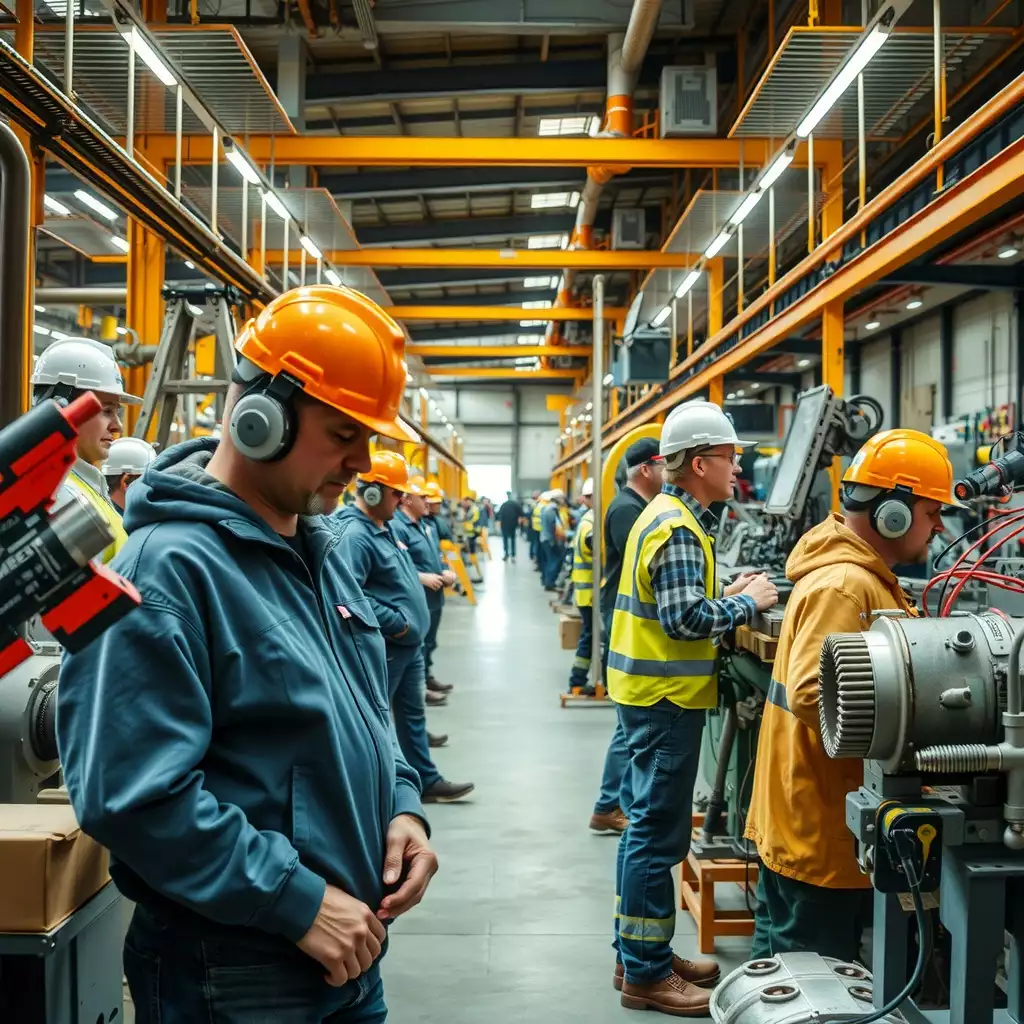
Manufacturing and Trades Staffing in West Virginia

Key Takeaways
- This article highlights the need for specialized staffing solutions to address West Virginia’s shortage of skilled workers in manufacturing and trades.
- It showcases organizations like West Virginia Women Work that offer training programs to help underrepresented groups, particularly women, enter high-demand jobs.
- The piece emphasizes partnerships between schools and local businesses. These collaborations create training opportunities that align with employer needs, driving economic growth and strengthening communities.
Understanding the Skilled Labor Shortage
West Virginia’s manufacturing and trades industries face a significant challenge: a shortage of skilled workers. This lack of talent hinders local business growth and limits opportunities for individuals in high-demand jobs. With construction urgently needing more workers, collaboration among schools, companies, and communities is essential to find effective solutions.
Organizations like West Virginia Women Work provide hands-on training programs tailored to these fields. They help uncover hidden talent while offering industry-recognized certifications. Graduates leave job-ready with the technical skills and confidence needed to fill open positions.
To address the skilled labor issue, strong partnerships between local businesses and workforce development groups are necessary. By collaborating, West Virginia can create customized training paths that closely meet market demands. These efforts prepare job seekers effectively and ensure employers have access to qualified professionals who can adapt to today’s changing industrial field.
Solving this problem is vital; communities thrive when residents have meaningful work opportunities in growing sectors like manufacturing and trades. A well-rounded approach with diverse recruitment strategies will help underrepresented groups gain access while enhancing overall workforce readiness across West Virginia, ultimately building a stronger foundation for lasting economic growth.
Examining the Role of WV Women Work
West Virginia Women Work (WVWW) is tackling the skills gap in manufacturing and trades by empowering women through specialized training programs. With over 25 years of experience, WVWW helps participants gain practical skills that meet industry standards while boosting their confidence as job seekers. Their hands-on programs provide essential training and ensure graduates earn important certifications like OSHA 10 and Forklift Operation, credentials that improve job prospects in a competitive workforce.
By focusing on underrepresented groups, especially women, WVWW diversifies the talent pool for high-paying careers typically dominated by men. This approach opens doors for individuals who may have faced societal barriers or lacked access to resources. As these newly trained professionals enter the workforce ready to tackle challenges, they help address worker shortages faced by local businesses throughout West Virginia’s key industries.
The impact of organizations like WVWW extends beyond individual success stories; their efforts strengthen community connections and promote economic stability in areas struggling with unemployment. Each graduate represents progress toward building a strong workforce capable of supporting growth in construction and advanced manufacturing, a necessity given current demand trends. By nurturing this new talent pool, communities create environments where employers find qualified candidates and job seekers discover rewarding career paths.
Collaboration between schools, local businesses, and organizations like WVWW is essential for developing a resilient economy based on sustainable practices. These partnerships create tailored skill development opportunities that respond to changing industry needs while filling long-overlooked gaps. Together, they pave the way for better jobs and revitalizing communities eager for progress amid developing economic landscapes.
The Pros & Cons of Workforce Development Initiatives
Pros
-
Groups like WVWW offer practical training that gives people the skills they need to succeed.
-
Graduates earn important certifications, making them more appealing to employers in fields with high demand.
-
Workforce development helps strengthen the economy by tackling significant labor shortages.
-
These programs support underrepresented communities, encouraging diversity in skilled trades.
Cons
-
Even with training efforts, finding qualified candidates remains a tough challenge.
-
Employers are competing fiercely for a small pool of talent, making hiring even trickier.
-
To keep training programs going strong, we need ongoing funding and policy support.
-
As technology advances quickly, current training programs might struggle to keep up, creating skill gaps.
Highlighting Transformative Career Journeys
Transformative career journeys in West Virginia’s manufacturing and trades sectors showcase how individuals can thrive by seizing opportunities for growth and skill development. Take Olivia, for example. She went from uncertain to confident after completing a hands-on training program. Now, she plays an important role in the construction industry, proving that it’s possible to build both structures and bright futures.
Gwynna’s path into advanced manufacturing highlights her strength in overcoming personal challenges with help from organizations like WVWW. Her story shows that resilience is key to transforming one’s career.
These success stories represent a larger movement aimed at boosting local economies by tapping into hidden talent. Sarah benefited from financial aid during her training, which opened doors to stable careers with great earning potential. Meanwhile, Tamara emphasizes community support for workforce development initiatives as essential to economic stability.
Every graduate represents progress toward closing the skills gap in crucial industries across West Virginia. Their experiences inspire others looking to carve out successful careers amid changing job market demands.
Linking Staffing to State Export Performance
The link between staffing and West Virginia’s export success is vital for the state’s economy. A skilled workforce helps local businesses meet global demand, especially in manufacturing industries that boost exports. As companies expand internationally, finding qualified workers becomes essential. Employers rely on a dependable talent pool with the right skills and certifications to complete orders efficiently while maintaining quality.
Organizations like West Virginia Women Work prepare job seekers to meet these challenges, improving the state’s ability to export goods effectively.
Addressing labor shortages aids local businesses and enhances West Virginia’s competitiveness in global markets. In 2024, the state exported $4.9 billion worth of goods. A strong workforce supported by effective staffing solutions leads to growth in fields like construction and advanced manufacturing. By investing in training programs tailored to industry needs, employers can develop talent that meets local demands and international opportunities, ensuring that West Virginia remains a key player in global supply chains while boosting community resilience through better job prospects.
West Virginia's Workforce: Skills and Demand Trends
| Category | Details | Impact/Outcome | Key Organizations |
|---|---|---|---|
| Workforce Shortages | Severe shortages of skilled labor in construction and manufacturing sectors. | Hinders local business growth and opportunities for individuals. | WV Women Work (WVWW) |
| Training Programs | Hands-on training, industry-recognized certifications (OSHA 10, Forklift Operation, etc.). | Prepares participants for high-demand careers. | WVWW |
| Community Contribution | Graduates contribute positively to their communities through skilled trades. | Strengthens local economies and fosters community investment. | WVWW |
| Economic Exports | In 2024, exported goods worth $4.9 billion supporting approximately 27,000 jobs statewide. | Enhances economic stability and global trade relationships. | – |
| Challenges for Employers | Difficulties filling positions due to lack of qualified candidates and competition. | Increased hiring challenges and operational disruptions. | Tradesmen International |
| Strategies for Staffing Gaps | Collaboration between organizations, investment in training, diverse recruitment efforts. | Creates pathways for skill development aligned with market needs. | Educational Institutions |
| Alumni Success Stories | Successful transitions into careers from graduates like Olivia, Sarah, Gwynna, and Tamara. | Demonstrates effectiveness of training programs. | WVWW |
| Technology Utilization | Implementing modern technologies in training environments. | Prepares students for contemporary workplace demands. | – |
| Feedback Mechanisms | Continuous feedback loops between education and industry needs. | Ensures curriculum aligns with evolving job market requirements. | Educational Institutions |
Identifying Barriers to Hiring Skilled Workers
Hiring skilled workers in West Virginia’s manufacturing and trades sectors faces several challenges. Many candidates lack necessary certifications or relevant experience, making it tough for employers to find the right talent. Many job seekers are unaware of available opportunities or get overlooked due to barriers like limited access to vocational training programs. Local businesses compete fiercely with one another and struggle to attract and retain qualified individuals who may be tempted by better offers from other companies.
Organizations like West Virginia Women Work are addressing these challenges through initiatives focused on skill development and community outreach. By partnering with educational institutions and offering hands-on training programs for high-demand fields, they create pathways for aspiring workers while helping employers discover untapped talent within their communities. This collaboration equips job seekers with essential skills and boosts workforce readiness, bridging the gap between supply and demand in key industries across the state.
Effective Approaches to Workforce Training
Investing in training programs that address the skill shortages in West Virginia’s manufacturing and trades industries is crucial. Employers benefit by partnering with local organizations like WV Women Work, which provide customized training that meets industry standards. These partnerships create a steady flow of skilled candidates and help participants gain hands-on experience and valuable certifications essential for success in today’s job market. Aligning educational programs with employer needs enables communities to build a talented workforce ready to drive economic growth.
Using technology in training makes learning more engaging and prepares individuals for modern work environments. Innovative tools allow trainers to simulate real-world situations specific to various trades, enhancing skills development. Ongoing communication between employers and schools ensures course content remains relevant to job market demands; this flexibility is vital as industries evolve rapidly due to new technologies. Effective training methods benefit both job seekers and businesses, creating lasting career paths and strengthening community resilience across West Virginia’s sectors.
Unveiling West Virginia's Manufacturing Myths and Facts
-
Many people think that manufacturing jobs in West Virginia are declining, but that's not true! The industry is bouncing back, with new companies creating thousands of jobs.
-
There's a myth that all manufacturing jobs need advanced technical skills. In reality, many entry-level positions provide on-the-job training, making them open to various job seekers.
-
Some believe that manufacturing involves only heavy machinery, but West Virginia's manufacturing scene includes areas like aerospace, automotive, and biotechnology, showing how adaptable the sector can be!
-
It's assumed that manufacturing jobs pay low wages; yet, many roles in West Virginia offer competitive salaries and benefits that support local communities.
-
People think the manufacturing workforce is aging and lacks diversity; yet, there are efforts underway to bring in younger workers and promote inclusivity within the industry.
Understanding Local Economic Benefits
West Virginia’s economy relies heavily on its manufacturing and trades sectors, where a skilled workforce is crucial for growth. Organizations like West Virginia Women Work (WVWW) offer training programs that help people gain practical skills and certifications. These programs improve job prospects and boost community development. By encouraging residents to enter high-demand fields like construction and advanced manufacturing, these efforts lower unemployment rates and raise household incomes.
A skilled workforce benefits the local economy as well. Every graduate increases productivity for businesses facing labor shortages; their work helps companies meet demand while maintaining quality standards. This creates positive effects throughout communities, more jobs lead to increased consumer spending, stimulating economic activity across various industries. Investing in workforce development benefits employers and strengthens community resilience.
By reaching out to underrepresented talent through inclusive training initiatives, organizations add diverse skill sets to the region’s labor market. This diversity enhances problem-solving abilities and encourages innovation in traditionally dominated industries. When different perspectives come together with solid training opportunities, West Virginia positions itself to adapt to changing economic conditions while ensuring fair access to career advancement.
As graduates from WVWW step into roles within local businesses or start their own ventures, the impact goes beyond job placement numbers; it represents hope and progress toward lasting economic stability statewide. Improved skill development pathways, along with support from educational institutions and industry partners, showcase what collaboration can achieve: vibrant communities built on meaningful work opportunities paving the way for shared prosperity for future generations.
Expanding Talent Pools Through Inclusion
By adopting inclusive practices, West Virginia’s manufacturing and trades industries can expand their talent pools. Organizations like West Virginia Women Work (WVWW) empower diverse groups, especially women, to pursue high-paying careers traditionally dominated by certain demographics. This change provides opportunities for those who have faced obstacles and brings new ideas and innovative solutions to the workforce. Diversity boosts problem-solving abilities within teams and promotes a culture of inclusivity that benefits the community.
Increasing access to training programs for underrepresented groups fosters economic growth. By partnering with educational institutions and local businesses, organizations can create curricula that meet industry demands while filling skill gaps among job seekers. As more individuals earn essential certifications and gain hands-on experience, they become ready to fill job openings and drive progress in their communities. West Virginia positions itself as a leader in using inclusion as a strategy for sustainable development in its manufacturing and trades sectors.
Modernizing Education for Skilled Trades
To tackle the skilled labor shortage in West Virginia, we need to update trade education. This means revising curricula to match current industry standards and incorporating technology into training programs that mimic real-world situations. As industries evolve with automation and digital tools, schools must teach not just technical skills but also critical thinking. This prepares students for today’s job market.
Creating employer apprenticeship partnerships will ease the transition from training to employment. When employers shape curricula, they ensure graduates have the skills that meet market needs, boosting job seekers’ chances of getting hired. Collaborations should include internships or apprenticeships, providing students valuable hands-on experience while assisting businesses.
Inclusivity is key in this modernization effort; expanding access to vocational education allows underrepresented groups, including women, to enter high-paying careers traditionally dominated by men. Organizations like West Virginia Women Work offer support tailored for these individuals and work to break down barriers to skilled trades.
Investing in ongoing professional development for teachers helps them stay updated on trends in their fields. Continuous learning enables educators to share relevant knowledge and effective practices, creating an environment where both teachers and learners grow together through innovative skill-building approaches within West Virginia’s manufacturing sector.
Summary: Building a Skilled Workforce
West Virginia’s manufacturing and trades sectors face a critical shortage of skilled workers. This gap slows economic growth and leaves many eager individuals sidelined from high-demand jobs. Organizations like West Virginia Women Work (WVWW) provide hands-on training and certifications that prepare people for careers in construction and advanced manufacturing.
WVWW not only teaches skills but also builds confidence among participants and strengthens communities through targeted programs for underrepresented groups. By empowering women and others who are often overlooked, these initiatives create a diverse talent pool that meets the needs of local businesses seeking qualified workers. Graduates from these programs are ready to help fill workforce gaps across various industries in the state.
To close the skills gap in West Virginia’s economy, strategic partnerships between schools, nonprofits like WVWW, and local employers are essential. Through collaboration, tailored training can be developed to match market demands, ensuring job seekers gain relevant experience while employers benefit from a steady flow of well-trained professionals.
Investing in ongoing workforce development is key to creating lasting job opportunities throughout West Virginia. By introducing innovative curricula that reflect current industry practices alongside inclusive recruitment strategies targeting diverse populations, stakeholders can boost regional economies while ensuring fair access to rewarding careers for all.
FAQ
What initiatives are organizations like West Virginia Women Work (WVWW) implementing to address the skilled labor shortage?
West Virginia Women Work (WVWW) offers training, certifications, and career coaching to help people start careers in high-demand manufacturing and trades fields. This addresses the shortage of skilled workers directly.
How does the lack of qualified candidates impact local businesses in West Virginia's manufacturing and trades sectors?
Local businesses in West Virginia’s manufacturing and trades sectors struggle to find qualified candidates. This shortage makes it hard to fill positions, slowing growth and productivity.
What types of training and certifications does WVWW provide to job seekers?
WVWW offers job seekers training and certifications like OSHA 10, Forklift Operation, and First Aid/CPR/AED. They also provide career coaching and job placement assistance.
How do alumni from WVWW contribute to their communities after completing their training programs?
Graduates from WVWW positively impact their communities by using the skills and confidence gained to secure jobs. This boosts the local economy and encourages others to follow.
What challenges do employers face when trying to fill open positions in the manufacturing and trades industries?
Employers struggle to fill open positions due to a lack of qualified candidates with the right skills or certifications. They also compete for a small pool of talent and must provide ongoing training that aligns with changing industry standards.
What strategies are suggested for improving workforce development and addressing staffing gaps in West Virginia?
The document outlines strategies to boost workforce development and address staffing shortages in West Virginia. It emphasizes collaboration among organizations, investment in training programs, supportive policies, and funding opportunities. It highlights diverse recruitment efforts, use of technology and innovation, and ongoing feedback between education systems and industry needs.