
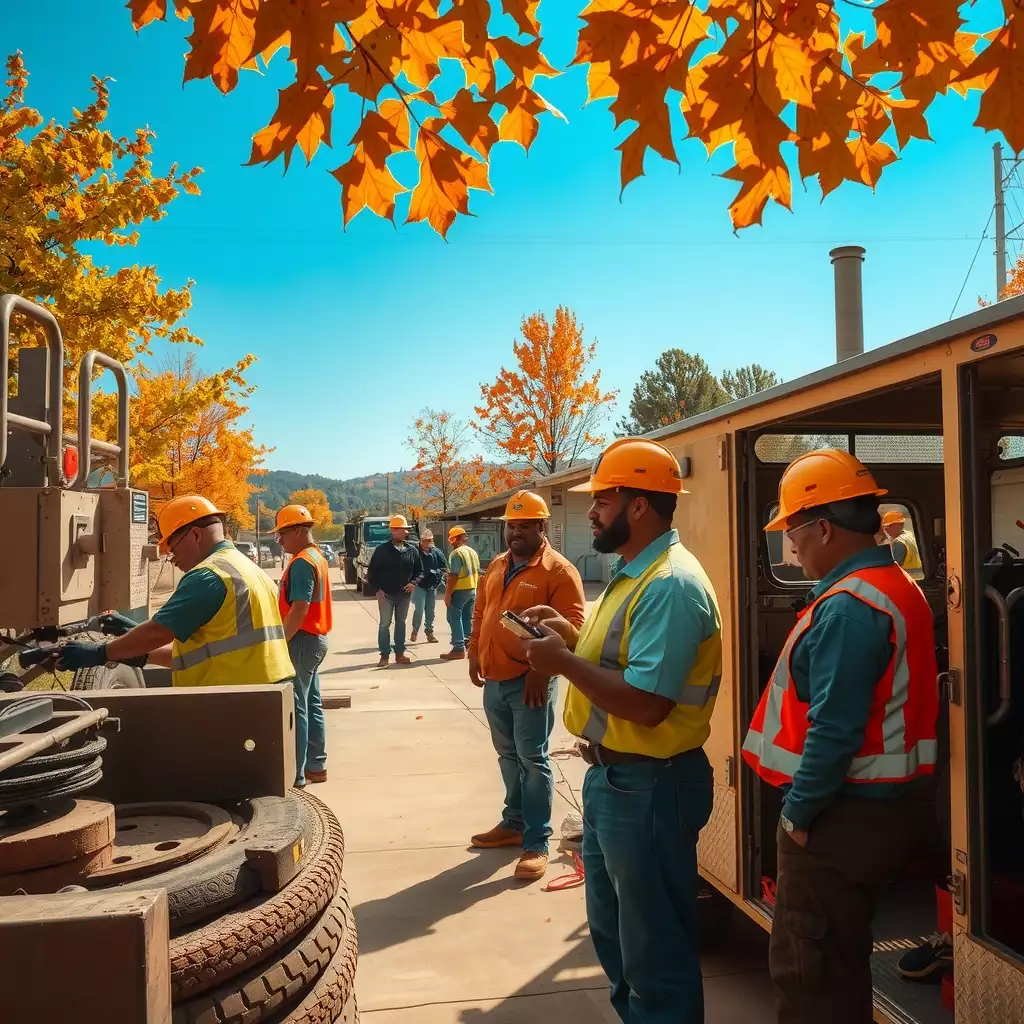
Staff Maintenance Roles Across West Virginia Facilities

Key Takeaways
- This article emphasizes the importance of skilled maintenance staff for keeping West Virginia facilities operational and safe. Their work enhances community engagement and improves quality of life.
- Readers will learn about the tasks that maintenance teams perform, from inspections to strategies that enhance facility performance and extend lifespan.
- It discusses the significance of training programs and professional development efforts that help staff acquire essential skills for modern facility management challenges.
Understanding the Scope of Facility Maintenance
Facility maintenance involves managing various roles to keep buildings in good condition across West Virginia. Team members, from cleaning crews to technical experts, play key roles in creating spaces that support education and community activities. Under leaders like Charles “Chuck” Roberts at West Virginia University (WVU), there is a commitment to excellence in facilities management. Each team member has an important job, whether keeping the buildings clean or managing complex systems like heating and cooling, and together they maintain safety and functionality.
The challenges faced by maintenance staff highlight the importance of strategic planning. Budget limits can hinder equipment upgrades or hiring, while new technologies require ongoing training for workers. Recognizing these challenges helps organizations improve strategies and develop employee skills. By offering attractive benefits packages, including flexible work options, facilities boost employee satisfaction and demonstrate their commitment to creating positive workplaces in local communities throughout West Virginia.
The Role of Leaders in Facilities Management
Good leadership in facilities management is crucial for building a culture of accountability and high standards among maintenance teams. Charles “Chuck” Roberts, Associate Vice President of Facilities Operations at West Virginia University, exemplifies this. With nearly 30 years of experience, he leads a team that manages everything from cleaning to technical systems. His strategic approach ensures all departments work together, boosting performance and raising operational benchmarks.
Leaders play a key role in addressing challenges in maintenance settings. They must allocate resources wisely while maintaining budgets and focusing on ongoing training for new technologies. By engaging with their teams, leaders create open communication where employees can quickly voice concerns about workload or skill development. This fosters an environment where staff feel valued and empowered, leading to greater job satisfaction and better retention rates.
Effective leaders also recognize the importance of community impact within facilities management. They promote sustainability initiatives and encourage involvement in local outreach projects that align organizational goals with societal aims. Leaders build strong relationships between staff and the communities they serve, enhancing both sides and ensuring facility operations contribute positively beyond campus boundaries.
Strong leadership shapes the future of maintenance staffing across organizations in West Virginia by establishing frameworks that support growth and innovation. As institutions respond to changing demands, like new technology or workforce needs, dedicated leaders help navigate potential setbacks while maintaining high standards essential for success.
The Pros & Cons of Facilities Management Careers
Pros
-
Explore a variety of career paths in technical, administrative, and support positions.
-
Enjoy a solid benefits package that includes health insurance and retirement options.
-
Experience work-life balance with flexible scheduling to fit your lifestyle.
-
Join an inclusive hiring process that welcomes candidates from all backgrounds.
-
Take advantage of ongoing learning opportunities through educational assistance programs.
-
Get involved in community initiatives and sustainability efforts.
Cons
-
The organization faces budget limits that can restrict staff and resources.
-
Ongoing training is necessary to stay current with new technologies.
-
It deals with issues related to an older workforce and planning for future leadership.
-
Some tasks can be physically tough, which might lead to burnout.
-
Bureaucratic obstacles can slow down important repairs.
-
High turnover rates occur because of the job's demands and stress.
Overview of Various Maintenance Roles
Maintenance staff in West Virginia facilities hold important positions that keep operations running smoothly and safely. From custodians who ensure cleanliness to technical specialists who fix systems like electrical wiring or HVAC, each role is vital for creating an environment where people can learn and connect. These professionals work hard behind the scenes, addressing immediate needs while planning to improve facility performance over time.
At West Virginia University (WVU), leaders like Charles “Chuck” Roberts demonstrate commitment to managing these responsibilities effectively. With a team of over 450 employees focused on various areas of facility management, like groundskeeping and administrative support, they maintain a structured approach for quick maintenance across campuses. This organization not only addresses daily challenges but also plans for long-term goals.
The complexity of staffing highlights the importance of teamwork; every member brings unique skills necessary for smooth operations and unexpected repairs. plant staffing West Virginia Custodians maintain indoor areas, while groundskeepers ensure outdoor spaces look great, all working together to enhance campus appeal and functionality.
Ongoing training helps staff adapt to new technologies impacting facility management. Employees participate in professional development programs to sharpen their skills with modern equipment and understand regulations, ensuring they stay current with industry standards.
Recognizing the range of maintenance roles is essential for organizations striving for excellence in facility operations throughout West Virginia. By fostering an environment where skilled professionals can grow through continuous improvement initiatives backed by strategic leadership, institutions can significantly enhance service quality, a critical element for success and community benefit.
Exploring Job Opportunities and Growth
In West Virginia, there are exciting job opportunities in staff maintenance roles. West Virginia University (WVU) offers various positions, from custodial work to technical support. Each job is crucial for keeping campuses running smoothly and safely while providing a solid career path for those seeking stability and professional growth. Organizations increasingly value effective maintenance and are on the lookout for skilled workers through West Virginia staffing agencies.
To improve operations, facilities focus on thorough training programs that help employees develop essential skills to tackle modern challenges. This commitment supports individual growth and ensures teams can adapt quickly as technology changes. Job seekers will find employers emphasizing continuous learning opportunities, an appealing factor that boosts chances for long-term career advancement.
Flexible working conditions make these jobs attractive by accommodating different lifestyles and commitments among applicants. With many full-time and temporary positions available across the state, entering this field is easier regardless of previous experience or education level. Organizations promote inclusive hiring practices, encouraging applicants from diverse backgrounds and enhancing workforce diversity, a key advantage in today’s connected world.
Benefits at places like WVU include competitive pay, strong health packages, and paid time off initiatives aimed at supporting employee well-being. These perks attract talent and help current staff feel valued in supportive work environments.
Overall, exploring job options within facility maintenance reveals numerous pathways for growth rooted in community-focused values found throughout West Virginia’s educational institutions, where every effort improves local infrastructure through dedicated service.
Key Roles in West Virginia Facility Maintenance
| Category | Details | Notes | Examples/Programs |
|---|---|---|---|
| Leadership | Charles “Chuck” Roberts as Associate VP of Facilities Operations | Oversees 450+ employees | Facilities Management, Custodial Operations |
| Staffing Structure | Facilities Management Team, Custodial Staff, Groundskeepers, Technical Specialists | Diverse roles for efficient management | Day-to-day operations, specific systems handling |
| Career Opportunities | Full-Time and Temporary Positions | Emphasis on inclusivity in hiring | Ideal for workforce entrants or career changers |
| Benefits | Paid Time Off (PTO), Holidays, Health Benefits, Retirement Plans, Wellness Resources | Comprehensive benefits package | Tuition assistance programs |
| Work-Life Balance Initiatives | Flexible work arrangements including remote/hybrid options | Aims to maintain staff morale | Supports demanding physical tasks |
| Community Impact | Engagement in local projects, focus on sustainability | Enhances community infrastructure | Projects benefiting surrounding areas |
| Challenges | Resource Allocation, Training Needs, Workforce Aging | Requires strategic planning for effective succession | Addressing budget constraints and technological changes |
Highlighting Benefits for Maintenance Staff
West Virginia facilities offer significant advantages to maintenance staff, creating a rewarding work environment. Their benefits packages include generous paid time off, full-time employees can receive up to 24 days of annual leave based on their role. This flexibility helps maintain a balance between work and personal life, which is essential for those in physically demanding jobs. Health coverage options cater to individual needs, ensuring employees feel secure in both personal and professional spheres.
Leadership emphasizes ongoing education by providing tuition assistance programs that help staff improve skills related to modern facility management practices. Investing in professional development boosts employee confidence and prepares them for changes brought by new technologies, crucial as organizations adapt to industry demands. Holiday offerings typically include around 13 paid days per fiscal year, enhancing job satisfaction and encouraging retention.
Flexible working arrangements demonstrate the organization’s commitment to accommodating different lifestyles while fostering positive workplace dynamics. By inviting candidates from diverse backgrounds during safety minded hiring, they create an inclusive environment rich with perspectives necessary for effective problem-solving across maintenance roles at West Virginia University (WVU). Together, these elements build a supportive ecosystem where skilled professionals excel and strengthen community connections throughout local areas.
Initiatives to Support Staff Well-being
West Virginia facilities prioritize employee well-being by focusing on programs that enhance staff quality of life. They provide wellness resources supporting mental health and physical fitness through specialized centers and assistance services. WVU offers flexible scheduling options that help maintenance workers balance demanding jobs with family or school responsibilities. This arrangement boosts job satisfaction and creates a workplace where employees feel valued.
Ongoing professional development is essential for supporting staff. Facilities management teams are encouraged to utilize tuition assistance programs that further their education and develop skills needed in today’s workplace. These opportunities keep employees updated on the latest technologies and practices in facility management, improving their career paths and morale. Competitive benefits packages, including generous paid time off, foster a supportive environment that encourages skilled professionals to remain committed to serving communities across West Virginia.
Unveiling Secrets of West Virginia Maintenance Staff
-
The maintenance team in West Virginia facilities brings a variety of skills, including plumbing, electrical work, and carpentry. This enables them to handle challenges on-site.
-
Many maintenance workers are resourceful; they often find ways to reuse materials around the facility, showcasing their creativity and commitment to sustainability.
-
A misconception is that all maintenance staff stay out of sight; yet, some take on visible roles where they interact with residents and visitors, providing help and ensuring safety.
-
It's a myth that maintenance staff only work regular hours, many are available 24/7 and ready to respond during emergencies like power outages or plumbing issues.
-
The bond among maintenance staff is strong; many form teams that depend on each other’s expertise and support, fostering a positive work environment that boosts operations at the facility.
Impact of Maintenance Roles on Local Communities
Maintenance roles in West Virginia facilities are vital to local communities, enhancing safety and quality of life. By keeping educational institutions like West Virginia University (WVU) functional and inviting, these workers create spaces where learning can thrive. Their efforts, from cleaning classrooms to maintaining outdoor areas, foster a positive atmosphere that encourages community involvement. Their focus on sustainability demonstrates their commitment to broader societal issues; by engaging in projects that improve local infrastructure or support environmental health, they strengthen ties with residents and highlight the university’s role as a community partner.
Their impact extends beyond maintenance tasks; these professionals often participate in outreach programs that benefit nearby neighborhoods. This involvement bridges the gap between campus operations and public needs, showing how facility management aligns with community interests, not just for aesthetics but also for functionality. This relationship builds trust and fosters discussions around shared goals like resource conservation and health, all essential for enhancing well-being among local populations. With strong leadership guiding these efforts, maintenance roles become key players in driving meaningful change across West Virginia.
By investing in professional development for facility management staff, organizations demonstrate their commitment to individual careers and long-term community growth. As employees acquire new skills through training focused on emerging technologies and sustainability practices, their enhanced capabilities improve operational effectiveness across service areas impacting daily lives.
In short, the dedicated work of maintenance teams highlights their importance beyond routine tasks; it illustrates how each role enriches communal life throughout West Virginia, a reflection of effective facilities management strategies aligned with local aspirations.
Identifying Common Obstacles Faced by Staff
Maintenance staff in West Virginia face significant challenges that make their jobs harder and less satisfying. A major issue is resource allocation; budget cuts often result in insufficient workers to handle essential maintenance tasks. Teams become overloaded and struggle to respond quickly to repairs or upgrades, slowing operations and increasing stress for staff juggling multiple responsibilities. Rapid technological changes in facility management create an urgent need for ongoing training programs to help employees effectively use new systems.
Another challenge is the aging workforce and the retirement of experienced workers, which leaves knowledge gaps that are difficult to fill without proper succession planning. Losing seasoned professionals can disrupt operations if younger team members lack mentoring or support during transitions. To address these issues, leadership must take proactive steps, like encouraging open discussions about workload concerns and prioritizing professional development opportunities, to build a strong workforce ready to adapt to changes in facilities management across West Virginia institutions.
Importance of Ongoing Staff Education
Ongoing staff education is essential for maintenance teams in West Virginia facilities to improve and adapt. As technology evolves, the skills of those maintaining complex systems must also grow. Regular training programs enhance employees’ technical abilities and understanding of best practices that improve facility performance. This focus on learning empowers team members, building their confidence as they tackle new challenges and reinforcing their roles as contributors within organizations.
Investing in ongoing professional development demonstrates an organization’s commitment to its employees. When facilities prioritize educational opportunities, like tuition assistance or specialized workshops, they foster an environment where learning is integral to work life. This proactive strategy helps close knowledge gaps from retirements or staffing changes, allowing newer team members to learn from experienced professionals through mentorship and structured training.
Continuous education benefits individual career goals and strengthens community connections by improving service quality at local institutions like West Virginia University (WVU). With updated skills and knowledge about sustainable practices and regulatory requirements, maintenance personnel can effectively meet internal goals and community needs. The positive impact of these investments reflects a vision where skilled workers raise organizational standards while making a difference in communities across West Virginia, a testament to the power of dedicated educational efforts.
The Significance of Maintenance Staff Roles
In West Virginia, maintenance staff play a crucial role in keeping schools running smoothly and safely. These individuals handle tasks from cleaning classrooms and hallways to managing complex systems like heating, cooling, and electrical setups. Their efforts create an environment where students can learn effectively, communities can come together, and activities can take place. The impact of these maintenance teams is evident at major places like West Virginia University (WVU), where their organized approach ensures efficient operations across campuses.
Their work also builds community connections through outreach projects and eco-friendly initiatives. Maintenance teams often engage in local efforts that improve infrastructure while supporting environmental responsibility, demonstrating how facility management meets community needs. Experienced leaders guide these operations, investing in training programs that equip staff with skills to adapt to new technologies. This ongoing development boosts individual career growth and enhances the reliability of institutions, creating positive effects on campus and within surrounding West Virginia communities.
FAQ
What are the key responsibilities of the facilities management team at WVU?
The facilities management team at WVU handles daily operations, maintenance, and repairs to keep campus buildings running smoothly.
How does WVU support work-life balance for its maintenance staff?
WVU helps its maintenance staff maintain a healthy work-life balance by providing flexible work options, including remote or hybrid setups when possible.
What benefits does WVU offer to attract and retain maintenance personnel?
WVU offers a benefits package to attract and retain maintenance staff. It includes paid time off, health insurance, retirement plans, wellness resources, and education opportunities.
What challenges do staff in maintenance roles face at West Virginia facilities?
Maintenance staff at West Virginia facilities face challenges. They struggle with limited resources, require training to stay updated on new technologies, and deal with an aging workforce that emphasizes the need for future leadership planning.
How does leadership influence the effectiveness of facility operations at WVU?
At WVU, leaders like Chuck Roberts ensure facility operations run smoothly. They create maintenance plans, allocate resources wisely, and support staff training to enhance effectiveness.