Improve Safety Minded Hiring in West Virginia Industry

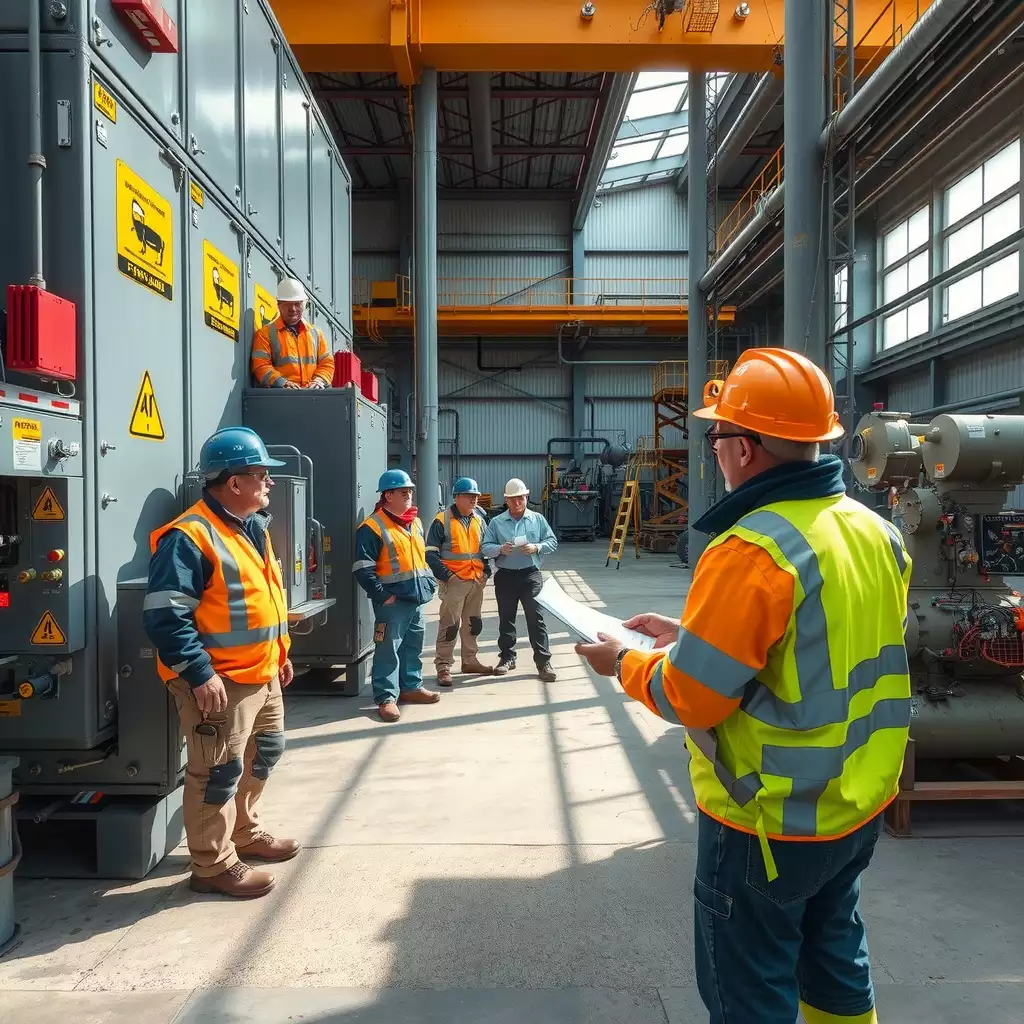
In West Virginia’s industrial scene, where safety is crucial, employers must understand that their hiring choices impact workplace health. The Federal Mine Safety and Health Act of 1977 sets strict rules and requires inspections, so companies risk penalties for breaking the law and have a duty to prioritize safety when they hire. By using behavioral interview techniques and creating mentorship programs, organizations can identify candidates who care about maintaining safe work environments. This approach builds a culture of accountability and learning among employees. It decreases accidents and creates an empowered workforce dedicated to upholding high safety standards throughout the state.
Overview of Regulations and Enforcement
West Virginia’s mining industry follows strict rules to keep workers safe. The Federal Mine Safety and Health Act of 1977 sets clear standards, enforced by the Mine Safety and Health Administration (MSHA). Regular inspections are key to ensuring compliance, surprise checks occur at least twice a year for surface mines and four times annually for underground mines. If mine operators violate these rules, they can face fines up to $220,000 for serious offenses.
This enforcement holds companies accountable and emphasizes their duty to provide safe working conditions.
The rights granted to miners under this act protect and empower workers. Employees can raise safety concerns without fear of retaliation, encouraging a proactive approach to workplace health. MSHA also promotes training programs that teach employees important safety practices. By partnering with organizations focused on these regulations and investing in ongoing education, businesses foster an environment where following safety protocols becomes second nature while adhering to federal laws designed to protect worker welfare.
Building a Strong Workplace Safety Ethos
A strong safety culture is crucial for organizations, especially in West Virginia’s industrial sectors. When employers prioritize safety during hiring, they can find candidates committed to creating safe work environments. This strategy reduces accidents and builds trust among employees. Companies should assess candidates’ past experiences with health and safety protocols to ensure new hires understand their role in maintaining these standards from the start.
To cultivate a solid workplace safety culture, ongoing engagement at all levels is key; see manage rotating shift teams. Mentorship programs allow experienced workers to share knowledge about best practices while keeping communication open regarding safety issues. Encouraging employee participation in safety committees boosts morale and introduces fresh ideas for improving operations, fostering a sense of responsibility for personal and collective security.
Organizations must value continuous education as part of their mission. Regular training sessions tailored to specific job roles reinforce compliance with industry regulations and keep staff informed about best practices in occupational health and safety. Using technology like virtual reality simulations or online learning modules makes training accessible for all team members, enhancing understanding of safe working procedures.
Collaborating with regulatory bodies like MSHA helps companies develop facility management hiring West Virginia strategies focused on individual responsibility toward workplace health standards. Partnering with local educational institutions can attract talent that values workplace safety across industries like mining, which involves risks that can be managed through smart recruitment backed by community partnerships dedicated to safer career paths within West Virginia’s industrial field.
The Pros & Cons of Safety-Centric Hiring Practices
Pros
-
Boosts overall workplace safety by focusing on candidates who really understand safety.
-
Lowers the chances of accidents and injuries, creating a safer work environment.
-
Builds a culture of safety that can lift employee spirits and help keep them around longer.
-
Embraces diversity in hiring, bringing fresh ideas to how we manage safety.
-
Helps businesses meet federal regulations, reducing legal risks they might face.
-
Offers continuous training opportunities that reinforce safe habits throughout employees' careers.
Cons
-
Focusing too much on specific safety qualifications can narrow the talent pool.
-
The rigorous screening and training processes may extend hiring times.
-
Continuous investment in training programs and resources can strain budgets.
-
Existing employees might resist new hires who emphasize safety protocols, feeling threatened by them.
-
If you concentrate solely on safety metrics, you run the risk of overlooking other valuable skills or experiences.
-
Relying only on safety training could lead to complacency if employees don’t take personal responsibility for their actions.
Enhancing Safety Through Varied Perspectives
Bringing different viewpoints into workplace safety can improve standards in West Virginia’s industries. When companies seek feedback from employees with varied backgrounds, they create a culture that sees safety as everyone’s responsibility. Diverse perspectives help teams identify potential hazards and develop creative solutions to specific challenges. Hiring a diverse workforce boosts team dynamics and fosters an inclusive environment where every worker feels confident sharing health and safety ideas.
Teamwork is essential for improving safety measures. By partnering with local schools, businesses can connect with new talent while emphasizing the importance of safe working conditions from the start, and by working with staffing agencies West Virginia, they can further streamline placements into energy and industrial roles. This approach builds a steady stream of candidates who recognize the need to maintain high health standards on their first day. Collaborating with regulatory agencies ensures that companies follow best practices and provides ongoing training resources to keep staff updated on compliance rules, ultimately enhancing recruitment through shared efforts toward safer workplaces.
Emphasizing Safety During Onboarding
Focusing on safety from the start is crucial for creating a workplace where health comes first. When new employees join, they should undergo training that covers their job tasks and safety rules. This early education helps them understand the importance of following guidelines and best practices from day one. Companies can enhance this experience with interactive workshops or realistic scenarios tailored to different roles.
To improve onboarding programs, organizations should establish regular feedback options so new hires can share their thoughts on safety procedures. Open communication fosters an environment where everyone feels valued and empowered as contributors to the company’s well-being. Pairing newcomers with experienced mentors transfers knowledge and promotes accountability for maintaining safe work conditions, reducing accidents over time.
Integrating ongoing educational opportunities into the company culture shows that learning about safety continues throughout each employee’s career. By encouraging lifelong learning, like refresher courses or updated resources, companies keep staff informed about changing industry standards and new risks. This proactive approach builds a workforce equipped with necessary skills and a strong commitment to high safety standards.
Collaboration between employers and regulatory bodies like MSHA strengthens hiring practices focused on workplace health during onboarding. By aligning company policies with federal guidelines and seeking input from compliance experts, businesses position themselves at the forefront of industry excellence in safeguarding employee welfare and operational integrity within West Virginia’s industrial sectors.
Safety-Centric Hiring: Key Metrics Unveiled
| Aspect of Hiring Practices | Key Focus Area | Description | Benefits | Recommendations |
|---|---|---|---|---|
| Comprehensive Job Descriptions | Safety Responsibilities | Clearly outline expectations regarding safety responsibilities and qualifications. | Ensures candidates understand safety roles. | Develop detailed job descriptions. |
| Rigorous Screening Processes | Behavioral Interviews | Utilize techniques focusing on past experiences related to workplace safety. | Identifies safety-minded candidates. | Implement structured interview processes. |
| Mentorship Programs | Knowledge Transfer | Pair new hires with experienced employees to share best practices in safety protocols. | Enhances learning and adherence to safety. | Establish formal mentorship initiatives. |
| Incentive Programs for Safe Practices | Recognition Systems | Reward employees demonstrating commitment to safe working conditions. | Encourages a culture of safety. | Create and promote recognition programs. |
| Employee Engagement in Safety Committees | Inclusive Discussions | Involve workers at all levels in discussions about improving workplace conditions. | Fosters collaboration and feedback. | Engage employees in safety committees. |
| Continuous Education Opportunities | Lifelong Learning | Integrate ongoing access to training resources that reinforce safe work practices. | Keeps skills updated and enhances safety culture. | Offer continuous education programs. |
| Community Engagement Initiatives | Workforce Development | Partner with local institutions to educate potential hires about safe career opportunities. | Builds community ties and attracts talent. | Create outreach programs focused on safety. |
| Training Focus During Onboarding | Safety Regulations | New hires should receive comprehensive training on operational tasks and safety regulations. | Ensures immediate understanding of safety. | Implement thorough onboarding training. |
| Collaboration with Regulatory Bodies | Best Practices | Partner with organizations like MSHA for insights into hiring safely-minded individuals. | Aligns hiring practices with regulatory standards. | Foster partnerships with regulatory agencies. |
| Regularly Review Hiring Policies | Industry Benchmarks | Conduct periodic assessments of hiring procedures against industry benchmarks. | Adapts to evolving safety needs and regulations. | Regularly update hiring policies and strategies. |
Lifelong Learning in Safety Practices
Organizations aiming to boost workplace health standards must commit to lifelong learning in safety practices. By fostering a culture of continuous education, employers equip their teams with the knowledge to adapt to changing industry rules and best practices. Ongoing training keeps employees informed about compliance requirements and provides insights into risk management specific to West Virginia’s mining industry.
Using technology in training can enhance the effectiveness of these educational efforts. Online platforms or virtual simulations offer flexible access, allowing team members to engage with safety protocols regardless of their schedules. This flexibility improves retention and fosters a culture where following safety measures becomes second nature, turning everyday tasks into opportunities for increased awareness of potential hazards.
Partnering with regulatory agencies like MSHA enhances learning opportunities by ensuring company policies align with established guidelines. Such collaboration allows companies and workers to share resources and insights beneficial to both, leading to better hiring strategies focused on maintaining safe work environments. A strong commitment to lifelong learning ensures every member understands their role in fostering a proactive approach to workplace safety, a key element driving sustainable success in West Virginia’s industrial sector.
Partnering with MSHA for Best Practices
Building a strong partnership with the Mine Safety and Health Administration (MSHA) is essential for companies looking to improve hiring practices while following industry rules. By collaborating with MSHA, businesses access resources, training programs, and guidelines specific to the mining industry in West Virginia. This partnership helps employers align their hiring strategies with federal safety standards and foster a culture of safety.
Working directly with MSHA keeps companies updated on compliance requirements and trends in workplace health initiatives. This collaboration encourages continuous improvement through knowledge sharing among industry players. By attending workshops or seminars hosted by MSHA, employers learn to effectively screen candidates who prioritize safety protocols.
These educational experiences help HR professionals create clear job descriptions that outline health and safety responsibilities from day one of onboarding. The insights gained foster better employee engagement around safe work practices and promote accountability at all levels of the organization.
Partnering with organizations like MSHA opens doors to innovative training solutions tailored for West Virginia’s diverse workforce needs. Companies can implement online learning modules or virtual simulations that address accessibility issues and different schedules, creating an inclusive environment where everyone has equal opportunities to develop critical safety skills relevant to their roles. As these partnerships grow, they significantly contribute to building a capable workforce that not only follows regulations but also supports community efforts to improve occupational health across local industries.
Unveiling Safety Hiring Insights in West Virginia
-
Employers in West Virginia are realizing that hiring with safety in mind reduces workplace accidents and boosts employee morale and productivity.
-
Many companies across the state are using behavioral-based interview techniques to gauge candidates' attitudes toward safety, helping them find individuals who prioritize safe practices.
-
A misconception is that safety training can compensate for poor hiring choices; yet, research shows that hiring individuals with a focus on safety significantly reduces the need for extensive training later.
-
The mining and manufacturing industries in West Virginia are incorporating safety assessments into their hiring processes, setting an example for other sectors.
-
More employers are involving current employees in recruitment because they can share insights about the organization’s safety culture and help identify suitable candidates.
Assessing Candidates' Safety Knowledge
To effectively evaluate candidates’ safety knowledge, organizations should create a clear structure that includes strong evaluation methods in their hiring process. This means using specific interview questions to explore candidates’ past experiences with safety protocols and relevant regulations like the Mine Safety and Health Act. By asking about situations where candidates made decisions regarding workplace health standards, employers can assess their commitment to maintaining safe work environments, a vital factor for industrial jobs in West Virginia.
Adding practical assessments during interviews can improve evaluations; scenarios or case studies can mimic real-life situations that require critical thinking about safety measures. Skills testing focused on key safety practices allows employers to objectively gauge candidates’ abilities based on industry expectations. These thorough evaluations help identify individuals with solid foundational knowledge who can apply this understanding proactively at work.
Once hired, fostering an environment that encourages ongoing education helps employees improve. Organizations should ensure new hires participate in training programs designed around operational hazards related to mining and other high-risk industries in West Virginia, reinforcing their responsibilities for personal and collective well-being from day one. Regularly updating these educational resources keeps team members informed of developing best practices while enhancing workplace safety culture throughout the organization.
Establishing mentorship opportunities between experienced staff and newcomers provides deeper insights into effective compliance strategies connected to candidate capabilities assessed during recruitment. Encouraging open discussions about potential risks promotes transparency within teams, strengthening adherence to established guidelines focused on protecting worker welfare amidst challenges faced by various local sectors.
Rewarding Commitment to Safe Practices
Recognizing and rewarding commitment to safety within West Virginia’s industries is crucial for building a strong safety culture at every organizational level. Companies can create formal recognition programs that highlight employees who prioritize safety in their work. This emphasizes the importance of these behaviors, motivates others, and sets examples for new hires. Honoring individuals dedicated to maintaining safe working conditions instills pride among employees and encourages responsibility for workplace health.
To recognition, offering incentives linked to safety performance can boost engagement and compliance with protocols. Incentive structures may include bonuses or rewards for departments that reach specific safety milestones or show significant improvements in incident rates. These tangible benefits act as powerful motivators, promoting proactive behavior related to risk assessment and hazard prevention, leading to fewer accidents and stronger teamwork focused on well-being.
Creating anonymous reporting systems allows workers to share concerns about unsafe practices without fearing backlash. Encouraging openness builds trust within organizations and empowers employees by ensuring their voices are heard when addressing potential hazards. As these communication channels become routine parts of company culture, a collective commitment to prioritizing safe operations becomes essential throughout West Virginia’s industrial scene.
Enhancing Hiring for Safer Workplaces
Employers in West Virginia’s industrial sectors must adopt effective hiring practices that prioritize safety. Creating job descriptions that clearly outline safety responsibilities sets clear expectations from the start. Using behavioral interview techniques helps organizations assess candidates’ past experiences with health and safety protocols, allowing employers to find applicants who understand regulations like the Mine Safety and Health Act and care about maintaining a safe work environment.
Establishing mentorship programs improves how new employees understand workplace safety standards and encourages accountability within teams. Pairing experienced workers with newcomers allows for knowledge sharing and reinforces best practices for compliance on-site. Companies should make continuous education part of their culture by providing ongoing training tailored to each role, keeping staff updated on changing hazards and compliance requirements throughout their careers.
Collaborating with local schools strengthens these efforts by creating pathways to attract talent skilled in workplace health initiatives. Embracing diverse hiring strategies provides access to fresh ideas, fostering innovation in managing risks within high-risk industries like mining. Improving hiring processes focused on safety builds a strong workforce capable of upholding high standards while positively impacting community well-being across West Virginia’s industrial field.
FAQ
What are the key safety regulations that govern West Virginia's mining industry?
West Virginia’s mining industry follows safety rules set by the Federal Mine Safety and Health Act of 1977. This law, enforced by the Mine Safety and Health Administration (MSHA), requires inspections to ensure mines meet safety standards and protect miners’ rights.
How can companies improve their hiring practices to prioritize safety in the mining sector?
Companies improve hiring practices in the mining sector by creating detailed job descriptions, using thorough screening methods, and building a strong safety culture. They achieve this through ongoing education and mentorship programs that keep employees informed and engaged.
What role do training programs play in enhancing workplace safety for new hires?
Training programs are vital for improving workplace safety for new employees. They help newcomers learn important rules and skills needed to follow safety guidelines from the start.
Why is diversity in hiring important for fostering a safety culture within mining companies?
Hiring a diverse group of people is crucial for building a strong safety culture in mining companies. Different perspectives and experiences lead to better problem-solving and innovation in safety management practices.
How can organizations collaborate with regulatory bodies like MSHA to improve safety-minded hiring?
Organizations collaborate with regulatory bodies like MSHA to share ideas on hiring safety-focused individuals and ensuring compliance with federal rules.