
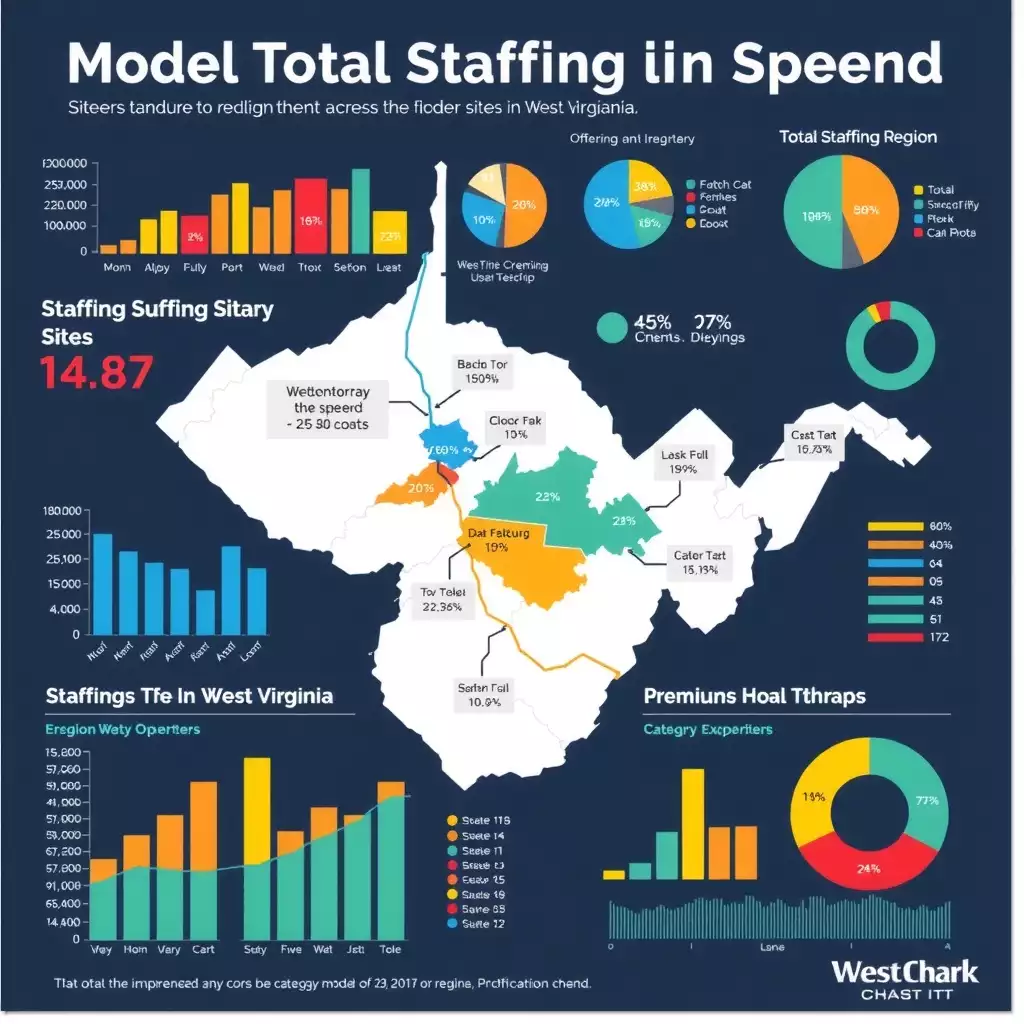
Model Total Staffing Spend Across West Virginia Sites

Key Takeaways
- West Virginia businesses can maximize staffing budgets by examining local job market trends.
- This article emphasizes community involvement, showing that partnering with groups like WorkForce West Virginia enhances recruitment and strengthens economic stability.
- Investing in employee training programs is essential for maintaining staff satisfaction and productivity, helping organizations thrive in changing market conditions.
Services Available for Job Seekers
Job seekers in West Virginia can access services to enhance their chances of finding jobs. WorkForce West Virginia offers personalized career counseling that aligns with your skills and goals, helping you find the right job. They provide training programs for various industries, equipping candidates with necessary qualifications. There’s a database of local job listings to explore opportunities.
This approach helps individuals secure jobs and strengthens the workforce by developing skilled workers for market needs.
Veterans transitioning to civilian life can access specialized resources that acknowledge their unique experiences. WorkForce West Virginia also hosts job fairs and networking events where you can meet employers seeking talent. These initiatives foster collaboration between businesses and job seekers to build a stronger economy.
By utilizing these resources, you’ll feel more confident navigating today’s competitive labor market and set yourself up for successful employment that benefits both you and local businesses.
Recruitment and Talent Retention Strategies
In West Virginia, attracting and keeping talent relies on understanding the local job market. By analyzing regional employment data, companies can adjust their hiring methods to fit community needs. This approach draws in qualified candidates and helps employees feel connected to the company’s mission. Focusing on employee development programs improves skills and reduces turnover, crucial for businesses in competitive markets.
Connecting with resources like WorkForce West Virginia allows businesses to access skilled job seekers and gain insights about industry trends. Networking events offer employers opportunities to showcase their brand and culture, helping attract top talent eager to make a difference. Supporting veteran inclusion adds diversity to the workplace and brings unique perspectives that drive innovation.
Using flexible staffing solutions is key when economic conditions change; aligning recruitment efforts with market needs helps businesses save money by avoiding high turnover and poor hires. Regularly checking in with current employees about job satisfaction guides retention strategies, creating an environment where team members can grow professionally boosts morale and productivity across all locations in West Virginia. These combined strategies help build strong workforces ready to tackle challenges and achieve lasting growth.
The Pros & Cons of Workforce Investment Strategies
Pros
-
Investing in employee training boosts skills and productivity.
-
Higher staffing budgets bring in top talent, even when the job market is tough.
-
Using local workforce resources helps meet specific hiring needs effectively.
-
Keeping an eye on economic trends lets you adjust your staffing strategies ahead of time.
-
Connecting with veteran communities promotes diversity and sparks innovation at work.
Cons
-
Training programs often come with high upfront costs, which can put a strain on budgets.
-
Differences between regions can make it tough for businesses to plan their staffing expenses effectively.
-
Relying on unemployment resources may cause job placement rates to vary unpredictably.
-
To adapt hiring strategies successfully, companies need to continually analyze and stay flexible, which can take up valuable resources.
-
During economic recovery phases, uncertainties arise that impact the availability of labor.
Impact on Workforce Budgeting Decisions
To understand workforce budgeting in West Virginia, it’s important to examine the West Virginia labor market and economic trends. As businesses consider hiring costs, they must focus on the changing demand for skilled workers across various fields. With increased competition for talent, many will invest more in attracting top candidates, affecting their budget plans.
Differences in job opportunities between counties necessitate financial strategies tailored to each area’s needs. Companies can enhance their recruitment budgets by aligning them with community demands while utilizing insights from WorkForce West Virginia on industry performance.
Unemployment compensation significantly influences consumer spending in local economies. By understanding how these benefits affect job placement rates, companies can gain valuable information on potential changes in labor supply that might impact staffing expenses.
Investing in employee training programs often leads to long-term savings by reducing turnover and boosting productivity, key factors in planning future expenses. Incorporating solid data analysis into workforce budgeting helps decision-makers manage economic uncertainties proactively while promoting sustainable growth.
Engaging with veteran communities offers companies new ways to diversify their hiring without the high costs of traditional recruitment methods. This strategy meets social responsibility goals and positively impacts profits by tapping into hidden talents ready to drive innovation amid developing market challenges.
Key Employment Statistics to Monitor
Keeping an eye on job statistics is crucial for businesses managing their workforce in West Virginia. Employment rates, especially at the county level, provide insights into regional differences and potential talent pools. By examining these numbers alongside industry trends, organizations can identify where skilled workers are concentrated and adjust their hiring strategies.
Employers should also monitor trends related to skill shortages in various sectors. This information highlights areas needing specialized talent and helps set competitive salary benchmarks to attract the right candidates. This proactive approach allows decision-makers to adjust budgets and quickly adapt hiring practices based on market demands, essential in today’s economy.
Another important area to track is participation rates among different demographic groups, including veterans. Understanding these figures supports diversity initiatives and improves workforce inclusivity. Engaging with veteran communities can lead to innovative solutions by leveraging their unique perspectives. Regularly reviewing diverse employment statistics helps businesses make informed decisions about resource allocation and strategic planning necessary for growth amid changes in West Virginia’s labor market.
West Virginia Staffing Costs: A Comprehensive Overview
| Key Insights | Description | Impact on Staffing Spend | Recommendations for Businesses | Additional Notes |
|---|---|---|---|---|
| Increased Demand for Skilled Workers | Ongoing demand across various sectors. | May require increased staffing budgets. | Tailor recruitment strategies to attract qualified candidates. | Competitive hiring environments are prevalent. |
| Regional Variations | Different unemployment levels and job availability across regions. | Affects total staffing expenditures. | Consider regional differences when planning staffing. | Analyze county-level data for insights. |
| Veterans’ Priority Service | WorkForce West Virginia prioritizes veterans in its services. | Influences hiring practices. | Engage with veteran communities for diverse hiring. | Could enhance workplace culture. |
| Economic Recovery Post-Pandemic | Shifts in labor supply and demand dynamics post-pandemic. | Impacts staffing costs and strategies. | Remain agile in workforce strategy adjustments. | Monitor economic indicators closely. |
| Training Programs Impacting Costs | Investment in training enhances employee skills but increases initial costs. | Initial staffing costs may rise. | Invest in employee development programs for long-term gains. | Well-trained employees lead to lower turnover. |
Insights on Demand and Regional Variations
To understand the need for skilled workers in West Virginia, it’s important to examine different areas. Each town has unique economic factors affecting job openings and competition for talent. By analyzing employment data specific to each county, businesses can identify where to focus their hiring efforts. This approach helps meet local job needs while optimizing staffing budgets. A region with high unemployment presents different challenges than one attracting new industries; therefore, companies should adjust their strategies accordingly.
The relationship between workforce demand and available resources reveals insights into how businesses can cut costs effectively. Some regions may benefit from specialized training programs that equip job seekers with skills tailored to local industry demands, boosting employability and aligning company goals with community development. By partnering with educational institutions or utilizing services like WorkForce West Virginia for customized support, employers enhance their ability to manage shifts in labor supply and demand.
Understanding how changes in unemployment benefits influence consumer behavior adds understanding into hiring decisions. As these benefits change due to economic conditions, so do the motivations and spending habits of potential applicants, a key factor when predicting future hiring needs or adjusting budget plans. Staying aware of such trends enables decision-makers to position themselves favorably in the market and contributes to developing sustainable practices essential for long-term success.
Analyzing emerging job trends further enriches this strategic outlook by identifying sectors facing skill shortages amid changing market realities. Such proactive steps empower companies financially and operationally, increasing resilience against uncertainty while boosting productivity through informed resource allocation aligned with the actual skills available throughout West Virginia’s diverse field.
Strategies to Manage Staffing Expenses
To manage staffing costs effectively, it’s crucial to understand local labor conditions. Companies should analyze employment trends and wage standards in their industries using staffing metrics West Virginia. This helps them make informed decisions that align with market needs. Insights from WorkForce West Virginia can assist businesses in developing recruitment strategies based on regional differences, ensuring efficient resource use where skilled workers are available.
Building relationships with schools and training programs can lower hiring costs by equipping job seekers with necessary skills. This strategy expands the talent pool and aligns workforce development efforts with business goals. By investing in locally relevant training, companies gain a competitive edge while supporting community growth.
Monitoring changes in unemployment benefits offers insights into consumer behavior and its impact on hiring across regions. As these benefits shift due to economic changes, organizations must be flexible in predicting future hiring needs and adjusting budgets. Being responsive enables decision-makers to tackle challenges efficiently and promotes sustainable practices for long-term success as market dynamics evolve.
Engaging with veteran communities provides an opportunity to diversify workforces without incurring high recruitment costs typically associated with broader outreach. Including this demographic enriches workplace culture through diverse viewpoints while fulfilling social responsibility commitments, boosting innovation within teams as they collaboratively solve complex business issues.
Regularly checking employee feedback on satisfaction levels allows companies to implement focused retention initiatives that foster professional growth and improve productivity across West Virginia’s diverse economy.
Unveiling Staffing Spend Secrets in West Virginia
-
In West Virginia, healthcare and education lead staffing expenses, making up over 60% of total spending across locations. This shows the state's commitment to essential services.
-
Many believe that staffing costs come only from wages, but a significant portion of the budget goes to training and development. Organizations typically allocate about 15% of their staffing budgets for employee growth initiatives.
-
It's a misconception that staffing expenses are high everywhere; rural areas often have lower costs due to fewer workforce demands and less competition among employers, leading to unique budgeting strategies.
-
Companies in West Virginia use innovative staffing models like hybrid work arrangements, cutting overall staffing costs by around 20%. This approach maintains productivity while keeping employees satisfied.
-
There's a belief that using temporary staff is always pricier; yet, many businesses find that employing temp workers smartly can save them up to 30% during busy seasons or specific projects.
Benefits of Training Programs for Retention
Investing in training programs boosts employee retention by providing the skills needed for success. Companies that focus on development help workers grow and build loyalty among employees who feel appreciated. This sense of belonging leads to lower turnover rates, which helps reduce recruitment costs.
Ongoing training creates a growth-oriented culture where employees want long-term careers with the company. As team members learn new skills relevant to market needs, they become more engaged and motivated. By offering structured learning paths for specific roles, companies can fill skill gaps while aligning personal goals with business objectives.
These training programs also boost productivity since well-trained employees tackle challenges more effectively. With fewer mistakes and greater efficiency, businesses improve their performance over time. A skilled workforce drives innovation and helps organizations remain resilient against economic fluctuations across West Virginia’s diverse industries.
Utilizing Community-based Support Systems
Community support systems in West Virginia connect job seekers with employers, ensuring workforce needs are met. WorkForce West Virginia offers tailored tools to improve job outcomes for individuals and businesses. With career counseling, skill-building programs, and access to extensive job listings, these systems help candidates align their skills with local company needs.
By collaborating with community organizations, we create an environment where feedback shapes hiring strategies, helping companies find qualified talent that fits their culture.
Building partnerships within the community can lead to staffing solutions that address regional challenges while boosting economic resilience. When businesses participate in networking events organized by WorkForce West Virginia or collaborate with educational institutions on training initiatives, they gain insights into labor supply trends. This involvement helps firms respond to market shifts while managing staffing budgets based on available talent data. By focusing on collaboration, we strengthen relationships between employers and employees, a key element for promoting sustainable growth across various sectors in the state.
Summary of Staffing Spend Strategies
In West Virginia, businesses shape their staffing strategies by examining local job markets, economic signs, and community involvement. Companies must analyze employment trends while monitoring unemployment rates and benefits that affect worker availability. By understanding these elements, organizations can create focused recruitment plans tailored to each county.
Investing in employee training is crucial for boosting retention rates and improving productivity. When companies develop skills relevant to their industry, they help employees succeed and build loyalty among staff who feel valued. This investment reduces turnover costs related to frequent hiring and fosters a positive workplace culture that supports long-term success.
Utilizing resources from WorkForce West Virginia helps businesses stay updated on labor trends and effective staffing budget management. Partnering with local educational institutions provides firms direct access to skilled talent ready for immediate roles, benefiting both workforce development initiatives and organizational objectives.
Flexible hiring strategies are essential for adapting to regional changes, keeping companies competitive during market shifts. Regularly gathering feedback from employees informs retention efforts, creating environments where team members have opportunities for professional growth and boosting morale across the state.
Effectively managing staffing spend relies on proactive decision-making supported by data about local demographics and ongoing collaboration between employers and community partners, a strategy aimed at sustainable growth over time.
FAQ
What role does WorkForce West Virginia play in supporting businesses and job seekers?
WorkForce West Virginia helps businesses and job seekers by offering recruitment strategies, ways to retain employees, and access to career advice and job listings.
How do unemployment compensation benefits impact staffing budgets for companies?
Unemployment benefits affect how companies manage staffing budgets. They influence spending and can change the number of job seekers. This means businesses need to plan and use resources wisely to attract and keep talented employees.
What are the key trends affecting labor market statistics in West Virginia as of August 2025?
As of August 2025, key trends are shaping the labor market in West Virginia. There is a growing need for skilled workers, creating opportunities for those with specialized training. Unemployment rates and job availability vary by region, so it’s important to know what’s happening locally. Employers emphasize hiring veterans, recognizing their unique skills and experiences.
After the pandemic, many businesses are recovering, leading to new job openings across sectors. Training programs are essential; they help reduce staffing costs by ensuring employees have the right skills. Many job seekers rely on unemployment resources as they navigate their search for work in this changing field.
What recommendations are provided for optimizing staffing spend across various sites in West Virginia?
To maximize staffing budgets in West Virginia, regularly analyze the local job market, invest in employee training and development, utilize nearby workforce resources, adopt flexible hiring approaches, monitor economic trends, and engage with veteran communities.